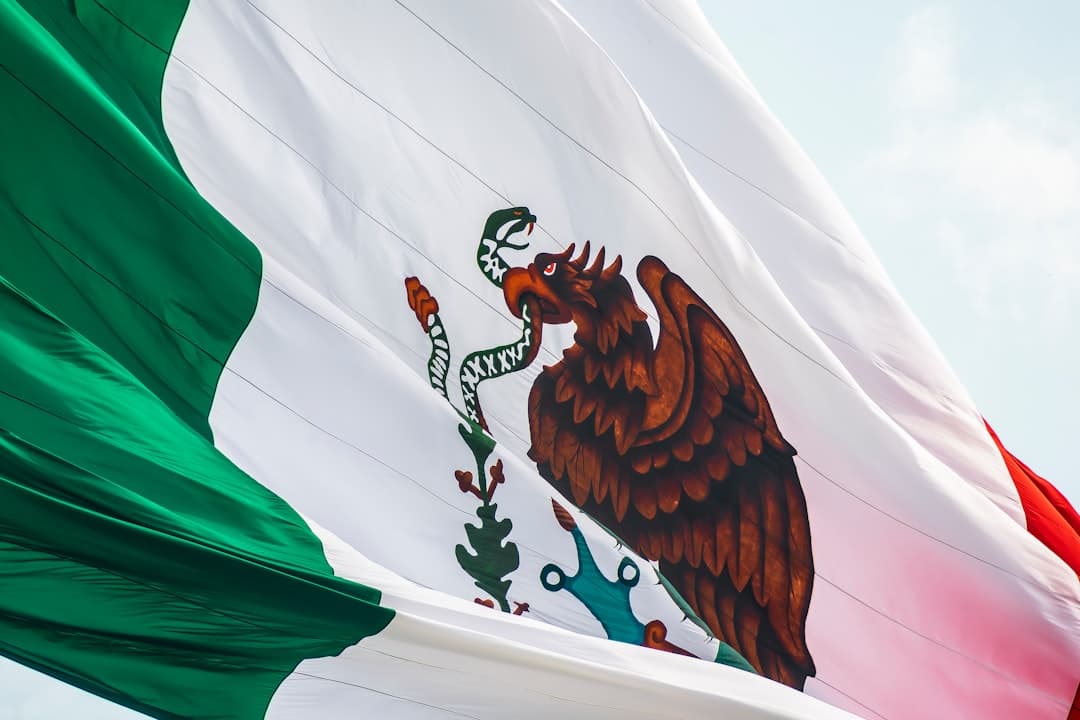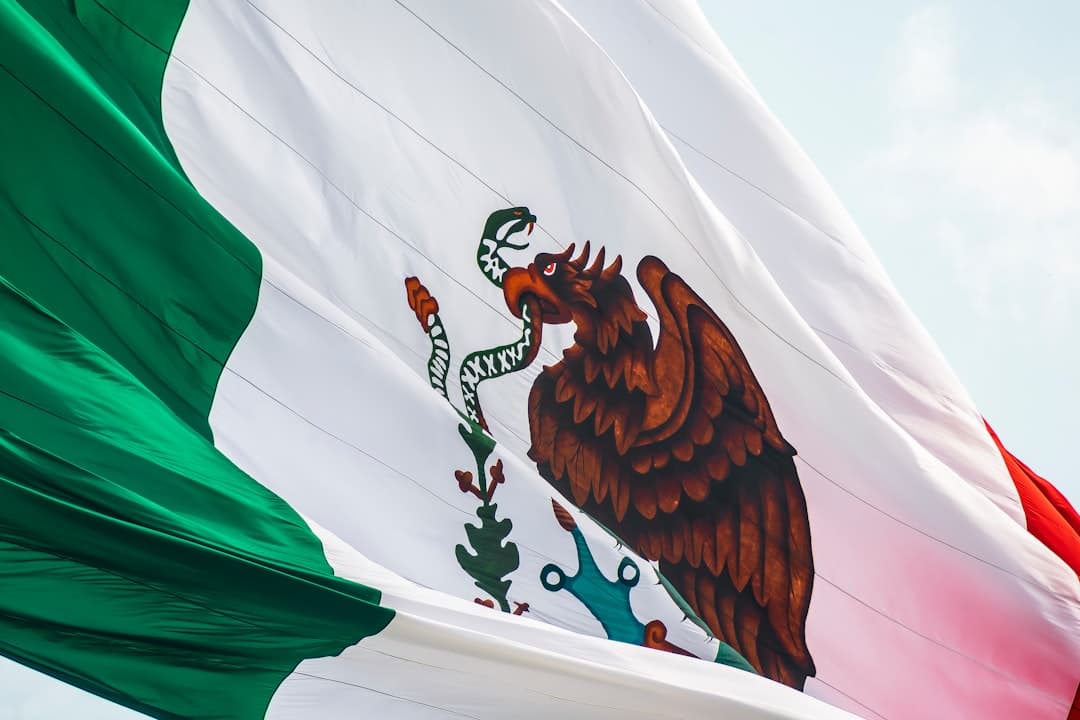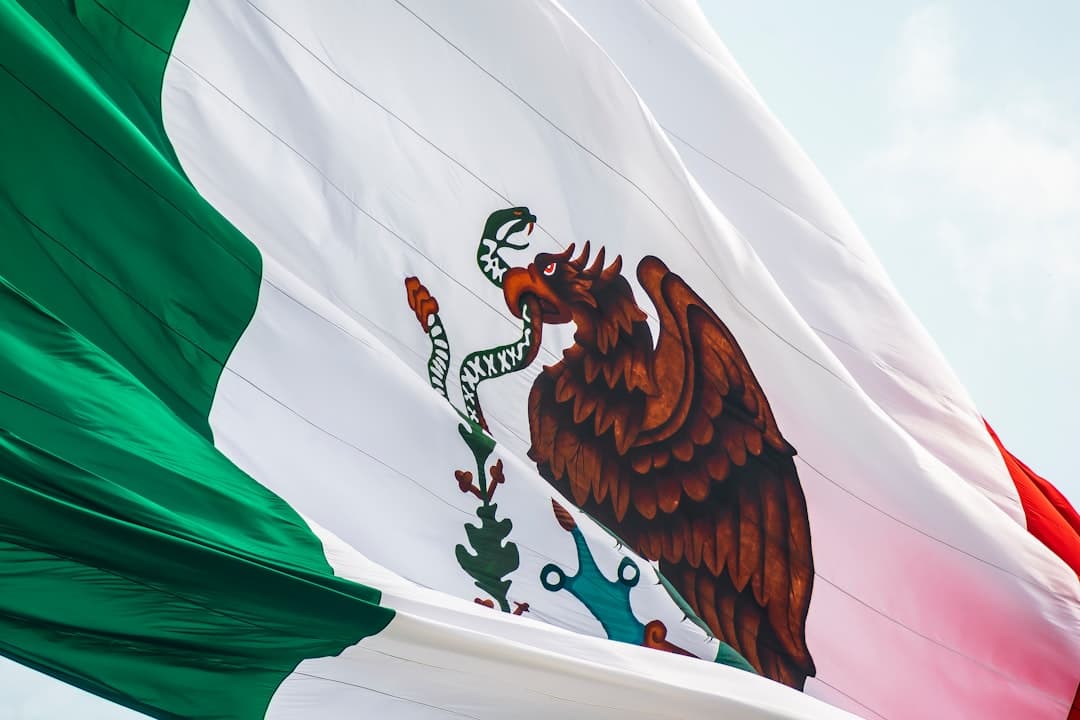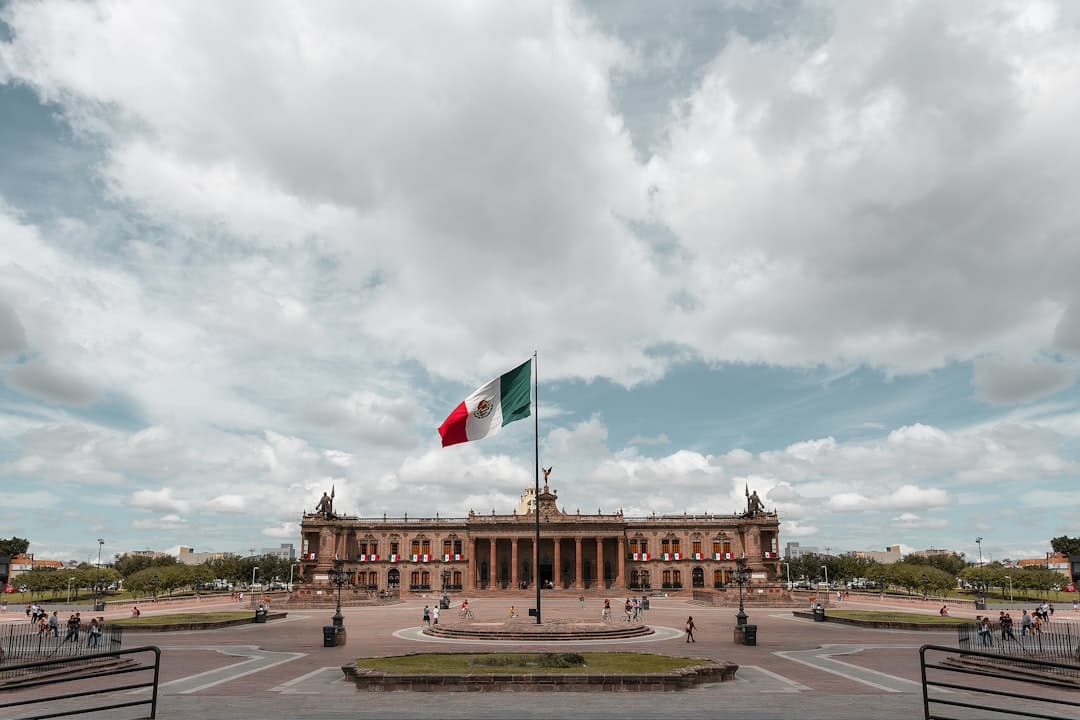
Mexico occupies a singular position on the global investment map. Sharing a nearly 3,200-kilometer border with the United States — the world's largest consumer economy — the country offers multinational corporations a logistical advantage that few emerging markets can replicate.
The Nearshoring Factor
Shifts in global supply chains, accelerated by disruptions in Asia, have pushed companies across the automotive, electronics, and medical device sectors to relocate or expand manufacturing operations closer to their end markets. Mexico has been a primary beneficiary of this trend, commonly referred to as nearshoring. Industrial parks in northern states such as Nuevo León, Chihuahua, and Baja California have seen occupancy rates climb significantly as a result.
Trade Architecture as a Foundation
The United States-Mexico-Canada Agreement (USMCA), which replaced NAFTA in 2020, provides a legally structured framework for preferential trade across North America. For foreign investors, this treaty reduces tariff uncertainty and establishes clear rules on labor standards, intellectual property, and dispute resolution — factors that multinational boards weigh heavily when allocating capital.
Labor Market Dynamics
Mexico's workforce is large, relatively young by regional standards, and increasingly skilled in technical disciplines. Wages remain competitive compared to equivalent roles in the United States and Canada, making the country attractive for labor-intensive manufacturing without sacrificing proximity to the final consumer.
Persistent Challenges
Foreign investors consistently flag concerns around public security in certain regions, judicial predictability, and infrastructure gaps — particularly in water supply and energy reliability. These factors influence where within Mexico capital is concentrated, with northern border states and the Bajío corridor drawing a disproportionate share of industrial investment.
Despite these structural constraints, Mexico's combination of geographic location, trade agreements, and workforce profile sustains its position as a leading destination for foreign direct investment across Latin America.
Open Questions
How will ongoing energy policy reforms affect long-term investor confidence? Can southern Mexican states close the infrastructure gap needed to attract their own share of nearshoring activity?
Sources: World Bank Foreign Direct Investment data; USMCA full text (USTR.gov); UNCTAD World Investment Reports; Mexican Ministry of Economy (Secretaría de Economía) official publications.
This article is based on a verified primary source. The text was editorially reviewed and fact-checked prior to publication.