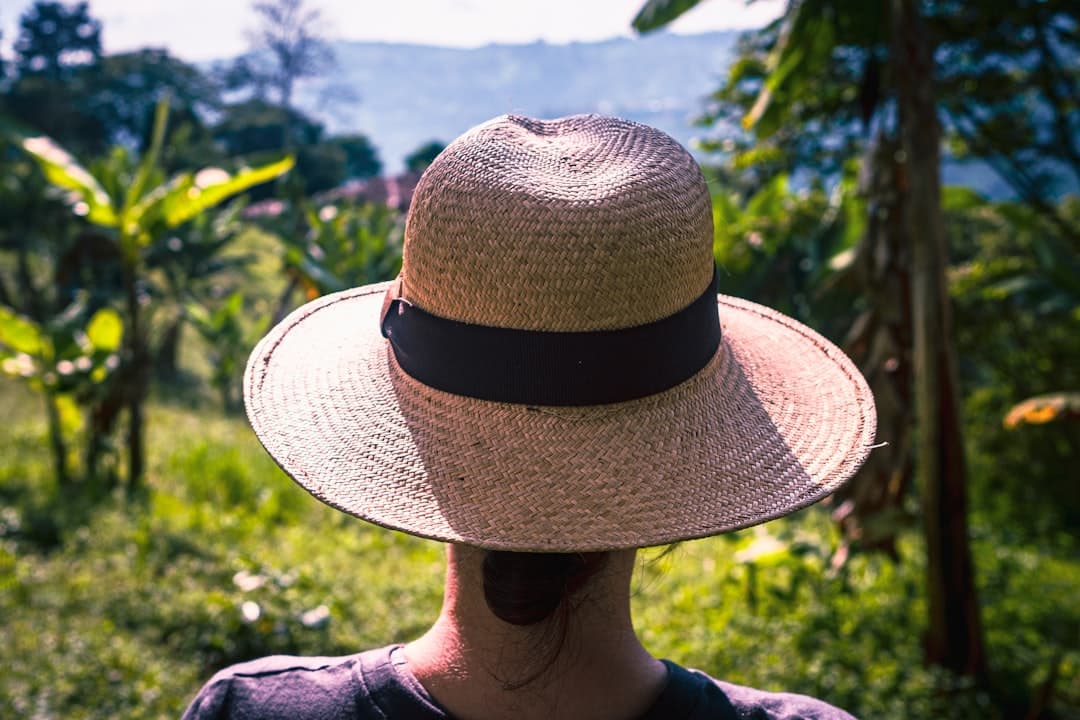
Panama occupies a narrow land bridge between North and South America, and that geographical position has shaped nearly every aspect of its food culture. Volcanic highlands in the west, particularly the Chiriquí province near the town of Boquete, provide the cool temperatures, high altitude, and mineral-rich soils that specialty coffee requires to develop complex flavor profiles.
A Coffee Region With Global Reach
Panamanian coffee gained sustained international attention after auction events began producing some of the highest prices ever recorded at specialty coffee competitions. The Geisha variety — originally traced to Ethiopia and brought to Panama decades ago — became the cultivar most closely associated with the country. Its floral, tea-like characteristics set it apart from coffees produced across the broader Latin American region. Buyers from Japan, South Korea, the United States, and Europe regularly participate in annual Panamanian coffee auctions, signaling consistent global demand.
Small, family-operated farms dominate the landscape in Boquete and surrounding areas, many of which practice shade-grown and organic cultivation methods. These approaches affect both the environmental footprint of production and the cup quality valued by specialty roasters worldwide.
A Cuisine Shaped by Migration and Geography
Panamanian cuisine reflects centuries of migration from Indigenous communities, Spanish colonizers, African populations brought through the slave trade, and later waves of Chinese, Caribbean, and South American immigrants. This layering of influences produced a table that differs measurably from neighboring Colombian or Costa Rican cooking.
Staple dishes such as sancocho — a slow-cooked hen soup with root vegetables — appear across the region but carry distinct local variations in Panama. Carimañolas, fried yuca dough filled with meat or cheese, trace their roots to Afro-Caribbean culinary traditions and remain a common street food. Seafood, given Panama's two coastlines on the Pacific and the Caribbean, features prominently across nearly all regional menus.
The Panama Canal's historical role as a global transit point accelerated the flow of ingredients, techniques, and populations through the country, leaving a permanent mark on how Panamanians cook and eat.
Open Questions
How will climate shifts affect high-altitude coffee cultivation in Chiriquí over coming decades? As Geisha coffee commands premium prices, what measures protect small producers from market consolidation?
Sources: Specialty Coffee Association (SCA), Best of Panama auction records, Smithsonian Tropical Research Institute publications, Panama Tourism Authority cultural documentation.
This article was compiled with the support of advanced research technology, based on multiple verified sources, and reviewed by our editorial team.