Panama, the narrow land bridge connecting North and South America, attracts visitors with a combination of natural ecosystems, colonial architecture, and modern urban infrastructure. Its geographic position has shaped both its history and its appeal to international travelers.
Casco Viejo
The historic district of Casco Viejo in Panama City, designated a UNESCO World Heritage Site, contains some of the oldest standing colonial structures in the Americas. The neighborhood features Spanish colonial churches, plazas, and former government buildings, many of which have been restored in recent decades. The area sits on a peninsula overlooking the Pacific entrance to the Panama Canal.
The Panama Canal and Miraflores Locks
The Panama Canal remains one of the most significant feats of engineering in modern history. The Miraflores Locks visitor center, located near Panama City, allows the public to observe large vessels transiting between the Pacific and Atlantic oceans. The expanded Neopanamax locks, inaugurated in 2016, accommodate larger cargo ships than the original early-twentieth-century infrastructure.
Bocas del Toro Archipelago
The Bocas del Toro province, situated along Panama's Caribbean coast near the Costa Rican border, consists of a series of islands known for coral reef systems, mangrove forests, and marine biodiversity. The archipelago draws divers, snorkelers, and wildlife observers. Isla Bastimentos hosts a national marine park that protects nesting sea turtle populations.
San Blas Islands
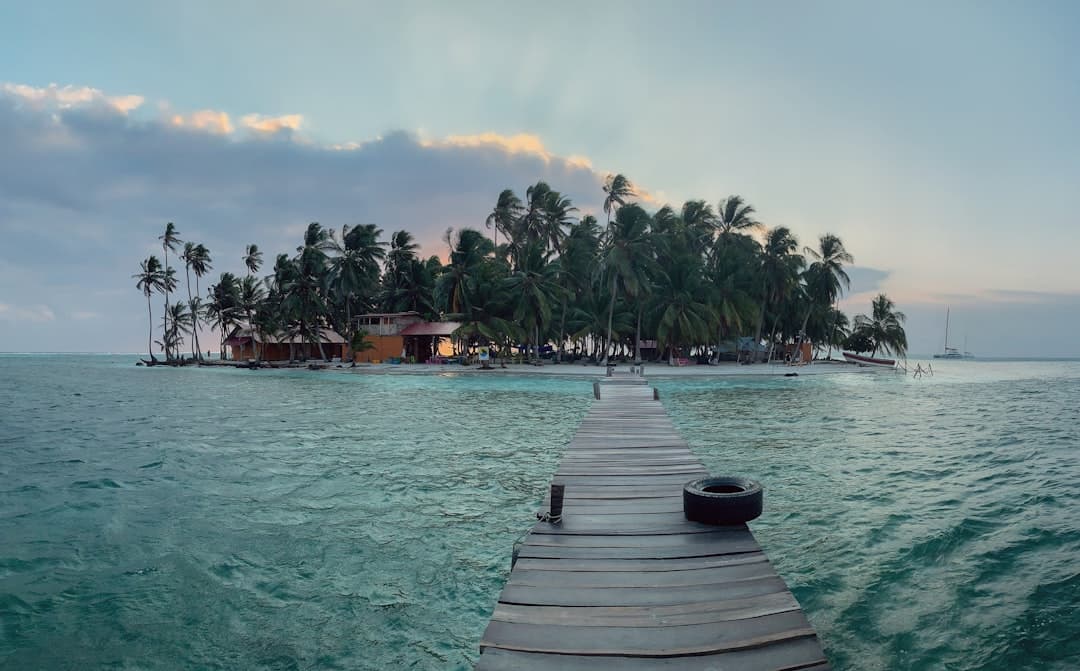
The Guna Yala comarca, commonly referred to as the San Blas Islands, comprises hundreds of small islands governed autonomously by the Guna indigenous people. Access is regulated by the Guna authorities, and the islands maintain restrictions on large-scale tourism development, preserving much of their natural and cultural character.
Soberanía National Park
Located within minutes of Panama City, Soberanía National Park covers a substantial area of tropical rainforest along the canal watershed. The park is recognized internationally among birdwatching communities for its avian diversity, including species found across Central and South American migratory routes.
Open Questions
The long-term balance between tourism growth and environmental preservation in areas such as Bocas del Toro and Guna Yala remains a subject of ongoing policy discussion within Panama.
Sources: UNESCO World Heritage List, Panama Canal Authority (ACP), Smithsonian Tropical Research Institute, Panama Tourism Authority (ATP)
This article was compiled with the support of advanced research technology, based on multiple verified sources, and reviewed by our editorial team.