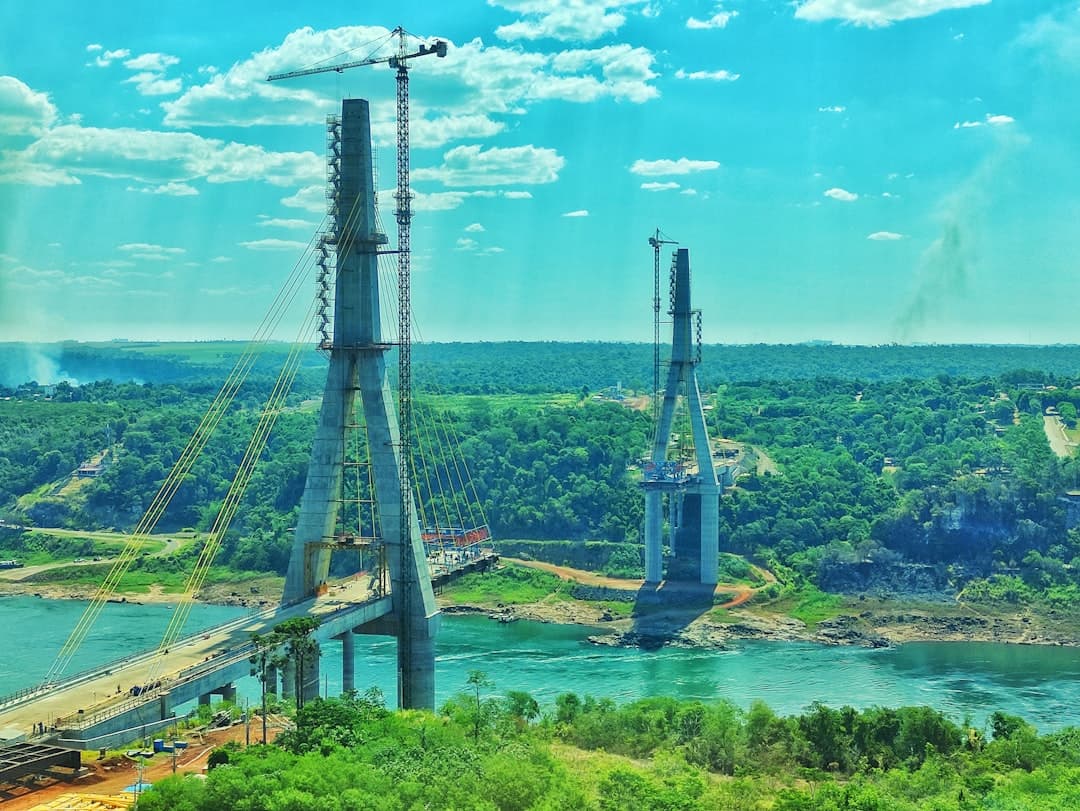
Paraguay, a landlocked nation bordered by Argentina, Bolivia, and Brazil, draws travelers seeking destinations outside the more conventional South American tourist circuits. The country's offerings range from well-preserved Jesuit ruins to subtropical wetlands, providing a diverse range of experiences across its territory.
Asunción
The capital city, Asunción, serves as the primary entry point for most visitors. The historic center contains colonial-era architecture, government palaces, and the Pantéon Nacional de los Héroes, a neoclassical monument housing the remains of prominent national figures. The waterfront promenade along the Paraguay River has undergone urban renewal in recent years, adding public spaces alongside existing commercial areas.
Encarnación and the Jesuit Missions
Located in the south of the country near the Argentine border, Encarnación is the gateway to the Jesuit Missions of La Santísima Trinidad de Paraná and Jesús de Tavarangue, both designated UNESCO World Heritage Sites. These 17th- and 18th-century ruins represent some of the best-preserved examples of Jesuit Reduction architecture in the region.
The Paraguayan Chaco
The Gran Chaco, which covers more than half of Paraguay's territory, offers access to remote wildlife reserves and indigenous Mennonite communities settled around the city of Filadelfia. The region is home to a range of fauna including jaguars, giant anteaters, and numerous bird species, making it a destination for ecotourism operators.
Ybycuí National Park
Situated in the Cordillera department, Ybycuí National Park protects a tract of Atlantic Forest, one of the world's most threatened ecosystems. The park contains waterfalls, trails, and the ruins of a 19th-century iron foundry that functioned during the War of the Triple Alliance.
Ciudad del Este
Paraguay's second-largest city, Ciudad del Este, sits at the tri-border area where Paraguay, Brazil, and Argentina converge. Beyond its well-known commercial activity, the city provides access to the Itaipu Binational Dam, one of the largest hydroelectric facilities in the world, which offers guided visits to its infrastructure.
Open Questions
Infrastructure development in the Chaco region and its long-term impact on indigenous land use patterns remain subjects of ongoing governmental and civil discussion.
Sources: UNESCO World Heritage List, Paraguay National Tourism Secretariat (SENATUR), Itaipu Binational official site, Paraguay National Parks Directorate
This article was compiled with the support of advanced research technology, based on multiple verified sources, and reviewed by our editorial team.