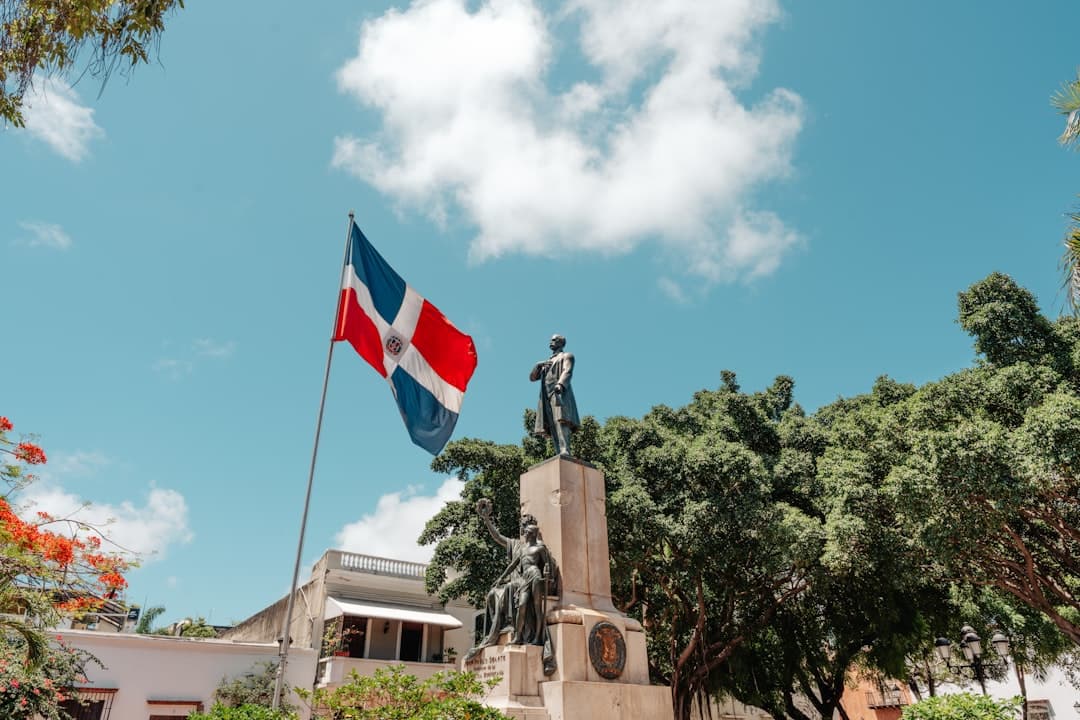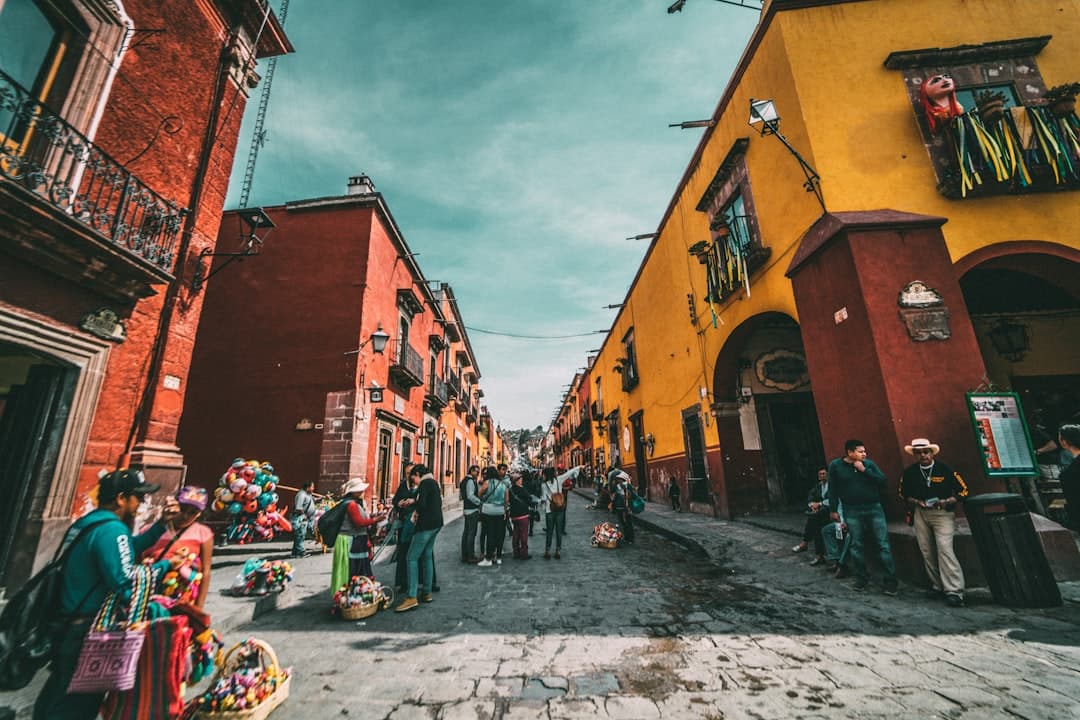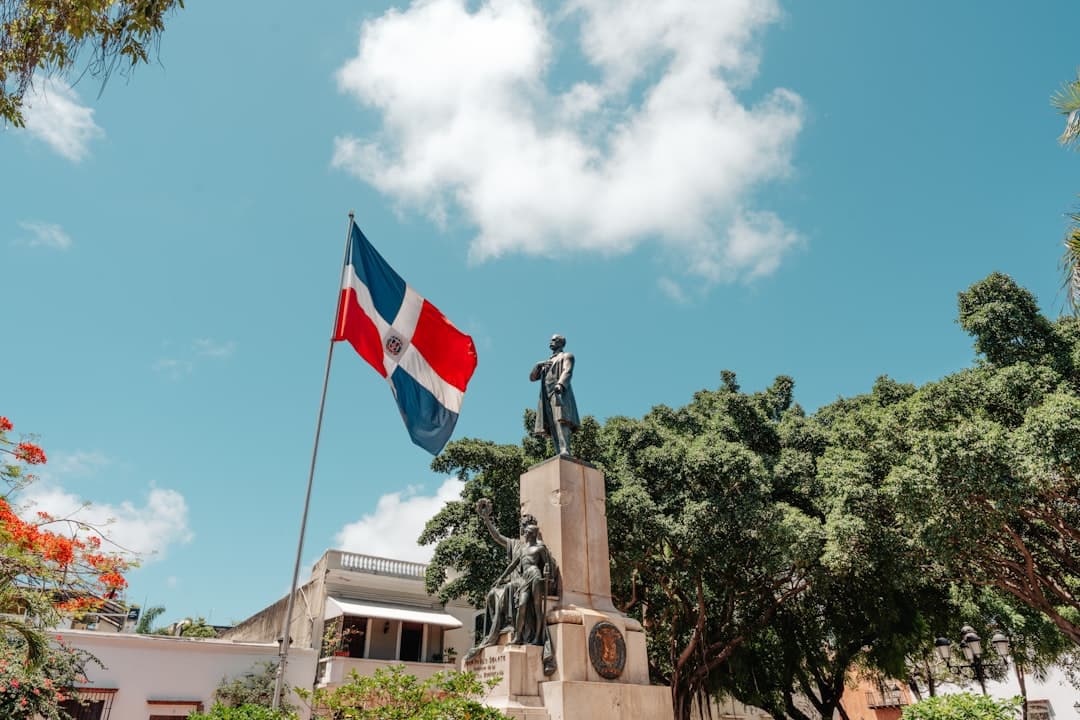
The Dominican Republic occupies the eastern two-thirds of the island of Hispaniola, sharing it with Haiti, and offers a geographic range that few Caribbean nations can match. From the white-sand beaches of Punta Cana and the rugged terrain of the Cordillera Central to the colonial architecture of Santo Domingo — the oldest continuously inhabited European settlement in the Americas — the country presents a broad spectrum of experiences within a single destination.
Infrastructure and Accessibility
The country operates multiple international airports, with Punta Cana International Airport functioning as one of the busiest entry points in the Caribbean basin. Direct flight routes connect the Dominican Republic to major hubs across North America, South America, and Europe, reducing the logistical barriers that often limit travel to smaller island nations.
The resort corridor along the eastern coast has developed significantly over recent decades, with large all-inclusive hotel complexes catering to travelers seeking predictable pricing and consolidated amenities. This model has proven particularly attractive to family groups and travelers on structured budgets.
Cultural and Historical Dimension
Santo Domingo's Colonial Zone, designated a UNESCO World Heritage Site, draws visitors interested in the history of European settlement in the Western Hemisphere. The zone contains the first cathedral, first university, and first permanent European street in the Americas, offering a historical layer absent from many competing Caribbean destinations.
Regional Positioning
For travelers based in South America, the Dominican Republic serves as a practical gateway to the broader Caribbean, with competitive air connections from cities including Bogotá, Lima, Buenos Aires, and São Paulo. The shared Spanish language further reduces cultural friction for visitors from Spanish-speaking nations across the region.
The country's tourism sector is administered through the Ministry of Tourism, which has maintained active promotion campaigns across Latin American and European markets, reinforcing brand recognition among international travelers.
Open Questions
Whether the concentration of tourism infrastructure along specific coastal corridors limits economic distribution to broader communities across the country remains a subject of ongoing policy discussion. The long-term environmental impact of large-scale resort development on coastal ecosystems also continues to draw scrutiny from regional conservation organizations.
Sources: UNESCO World Heritage List; Dominican Republic Ministry of Tourism (MITUR); Caribbean Tourism Organization; Airports Council International
This article is based on a verified primary source. The text was editorially reviewed and fact-checked prior to publication.