Ecuador's festival culture reflects the country's layered history, drawing from pre-Columbian traditions, Catholic liturgical calendars, and Afro-Ecuadorian heritage that arrived during the colonial period. The result is a distinctive tapestry of celebration that varies significantly by region, ethnic community, and season.
Highland Celebrations
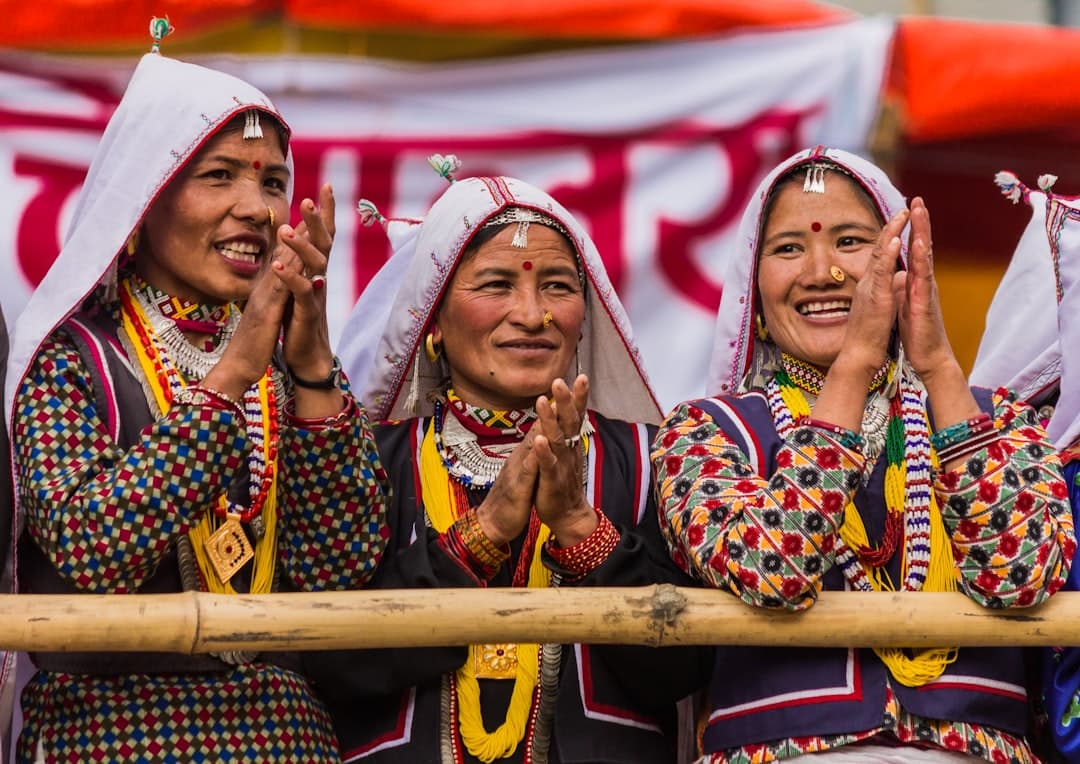
In the Sierra region, the Inti Raymi festival — the Quechua celebration of the sun — is among the most prominent events in the Andean calendar. Rooted in Incan cosmology, the celebration takes place around the June solstice and is particularly visible in communities near Otavalo and Cotacachi, where Indigenous groups perform traditional dances, music, and ritual offerings. The event has endured centuries of cultural pressure and remains a marker of Kichwa identity in Ecuador.
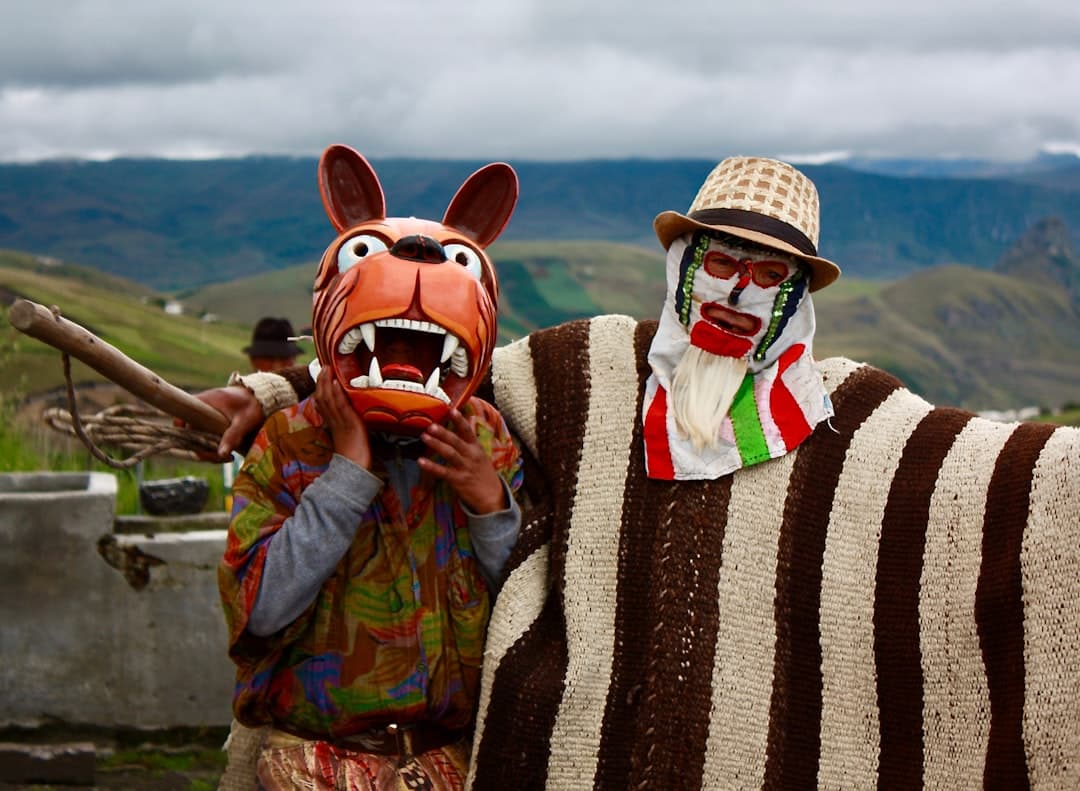
Carnival, celebrated in late February or early March depending on the liturgical calendar, draws large gatherings across the country. The city of Guaranda in Bolívar Province is widely recognized for hosting one of the most elaborate Carnival celebrations in the country, featuring parades, traditional costumes, and the custom of throwing water and flour — a hallmark of Ecuadorian Carnival traditions.
Coastal and Urban Festivities
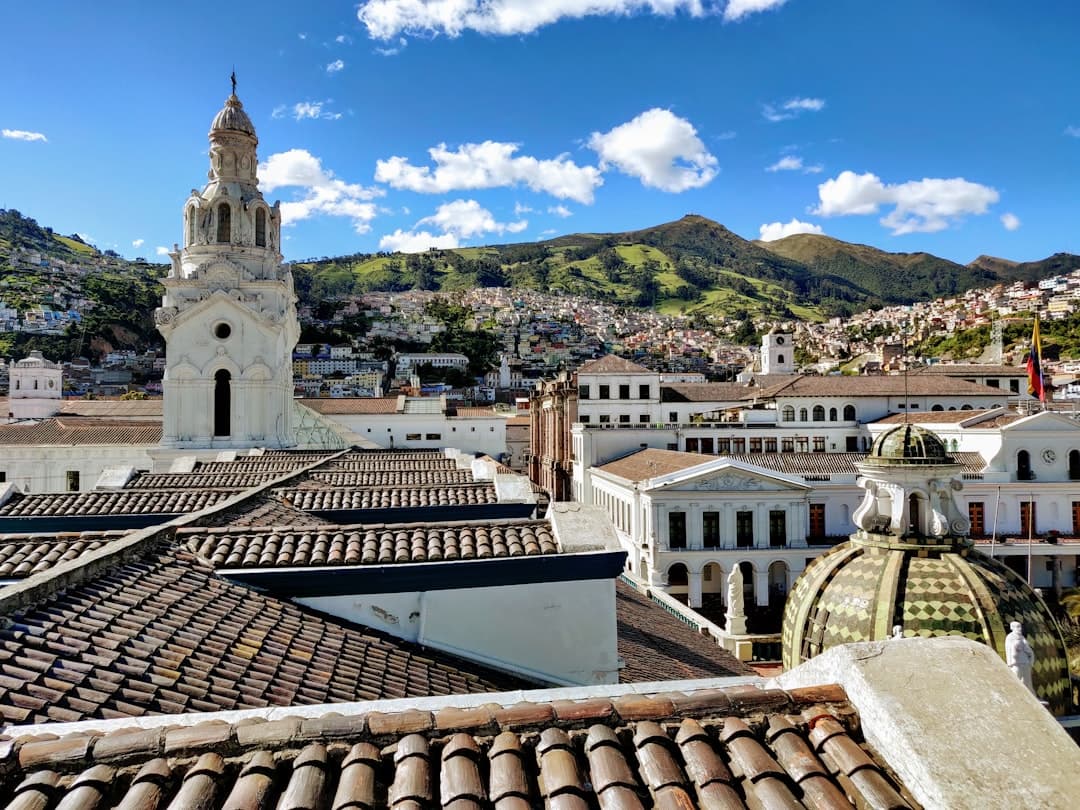
Along the Pacific coast, festivals tied to patron saints and local founding dates punctuate the calendar throughout the year. Guayaquil, Ecuador's largest city, marks its founding with multi-day festivities each July that include cultural events, street fairs, and civic ceremonies. These celebrations reinforce a distinct coastal identity that differs culturally and historically from the Andean interior.
Shared Cultural Threads
Across regions, Ecuadorian festivals commonly feature traditional music forms such as the pasillo — a genre with roots in the 19th century — alongside chicha and other fermented beverages tied to ceremonial contexts. Artisanal crafts, including hand-woven textiles and painted masks, are frequently displayed and sold during festival periods, sustaining local economies and generational craft traditions.
UNESCO has recognized several Ecuadorian cultural expressions, including the weaving techniques of the Otavalo community, as part of the broader intangible cultural heritage of humanity.
Open Questions
How are younger generations in urban Ecuador engaging with Indigenous festival traditions? What role does internal migration play in spreading or diluting regional festival cultures?
Sources: UNESCO Intangible Cultural Heritage Lists; Ecuador Ministry of Culture and Heritage; Smithsonian Institution Latin American cultural records; Encyclopaedia Britannica entries on Ecuador and Inti Raymi.
This article is based on a verified primary source. The text was editorially reviewed and fact-checked prior to publication.