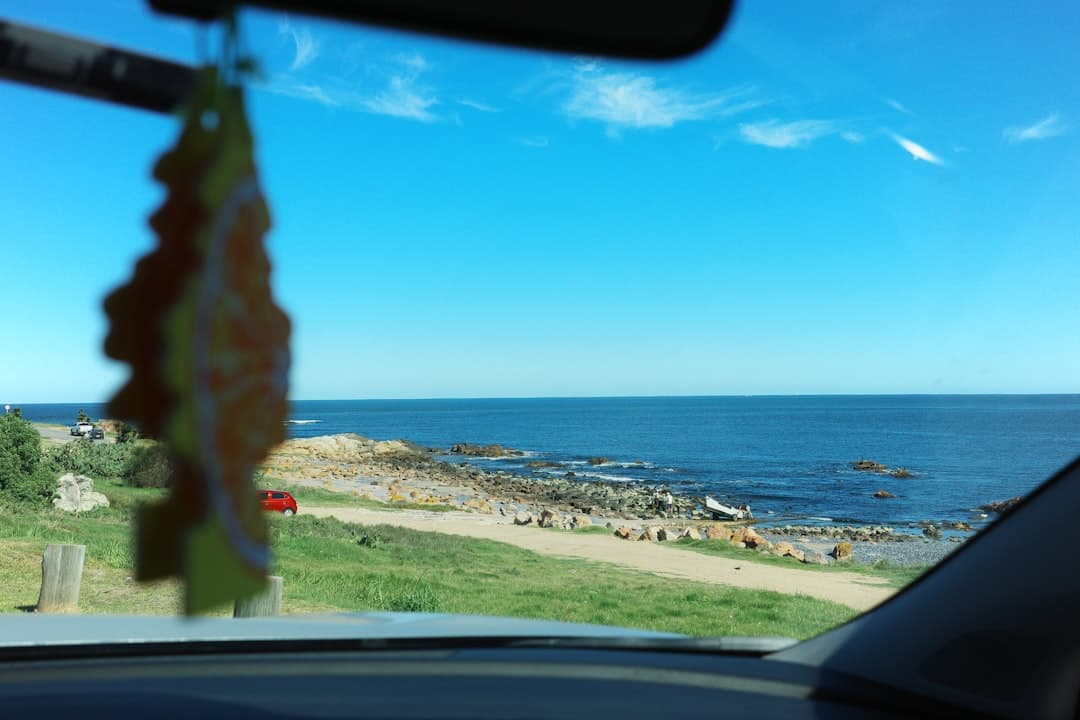
Uruguay, the smallest Spanish-speaking country in South America, presents travelers with a geographically concentrated set of destinations that span coastal resorts, historic urban centers, and rural wine country.
Montevideo
The capital city anchors most international itineraries. Its Ciudad Vieja (Old City) contains a walkable grid of colonial architecture, the Mercado del Puerto — a 19th-century iron market structure repurposed as a gastronomic hub — and the Teatro Solís, one of the oldest operating theaters on the continent. The Rambla, a coastal promenade stretching more than 20 kilometers along the Río de la Plata, serves as a central artery for both residents and visitors.
Punta del Este
Located roughly 140 kilometers east of Montevideo, Punta del Este functions as the region's most recognized beach destination. The peninsula separates calmer Río de la Plata waters from the open Atlantic, offering distinct beach experiences within a short distance. The area also hosts the internationally recognized sculpture La Mano, buried fingers emerging from the sand on Playa Brava, which has become a widely circulated visual symbol of Uruguay.
Colonia del Sacramento
A UNESCO World Heritage Site since 1995, Colonia del Sacramento sits on the Río de la Plata opposite Buenos Aires. Its Barrio Histórico preserves Portuguese and Spanish colonial structures dating to the late 17th century, including cobblestone streets, a functioning lighthouse, and remnants of city walls. Regular ferry services connect Colonia to the Argentine capital, making it accessible for regional travelers.
Cabo Polonio
Located within a national park on Uruguay's Atlantic coast, Cabo Polonio is a remote settlement accessible only by four-wheel-drive vehicles. The area hosts one of the largest South American sea lion colonies and operates without a public electricity grid, limiting commercial development and attracting travelers seeking an isolated coastal environment.
Valle de Canelones and Carmelo
Uruguay's wine-producing regions, concentrated around Canelones and the town of Carmelo near the Argentine border, have developed structured winery tourism programs. The country is internationally recognized for its Tannat grape variety, which produces wines distributed across global markets.
Open Questions
Infrastructure capacity during peak summer months and the long-term effects of regional economic fluctuations on cross-border tourism patterns from Argentina and Brazil remain subjects of ongoing observation.
Sources: UNESCO World Heritage List, Uruguay Ministry of Tourism (Ministerio de Turismo), Wines of Uruguay (Bodegas de Uruguay)
This article was compiled with the support of advanced research technology, based on multiple verified sources, and reviewed by our editorial team.