A Demographic Force Without a Political Home
South America is one of the younger regions of the world by median age, yet its legislative chambers, cabinet ministries, and municipal councils remain dominated by older generations. The disconnect is stark: young people constitute a significant share of the population and an even larger share of the electorate, yet they hold a disproportionately small fraction of elected and appointed decision-making positions. This is not merely a statistical curiosity — it is a structural problem with consequences for democratic legitimacy and long-term governance.
The United Nations has framed the challenge in broad, global terms. On International Youth Day, UN Secretary-General António Guterres called for young people to be "granted a greater role in decision-making processes at the local, national and international levels," describing them as "equal partners" whose energy and expertise must be brought to bear on the defining crises of the era. That language carries particular resonance across a region where economic uncertainty, democratic backsliding, and social fragmentation have pushed youth political engagement into the streets — rather than into institutions.
Peru: Protest as the Only Available Channel
In Peru, young people have emerged as a visible force in street protest while remaining largely absent from formal political structures. Youth-led demonstrations have repeatedly challenged governmental decisions, yet the same energy rarely translates into lasting institutional representation. Structural barriers make it difficult for young candidates to advance in existing political systems.
Rebuilding trust between young Peruvians and political institutions requires more than symbolic gestures — it demands structural reforms that lower the barriers to youth candidacy and mandate meaningful consultation with younger constituents on policy design.
Colombia: Peace, Promise, and Unfinished Business
Colombia presents a more textured picture. The 2016 peace agreement opened a conversation about civic participation that explicitly included younger Colombians. Yet implementation has been uneven. In rural and conflict-affected areas, where young people have borne the heaviest costs of decades of armed violence, political inclusion remains more aspiration than reality.
Urban youth in cities like Bogotá and Medellín have shown considerable political creativity, organizing around issues of education access, police reform, and climate vulnerability. Recent youth mobilizations have demonstrated both the organizing power of this generation and the limits of protest as a vehicle for durable change. The challenge for Colombia is converting that civic energy into institutional reform before disillusionment sets in.
Venezuela: Exclusion by Design
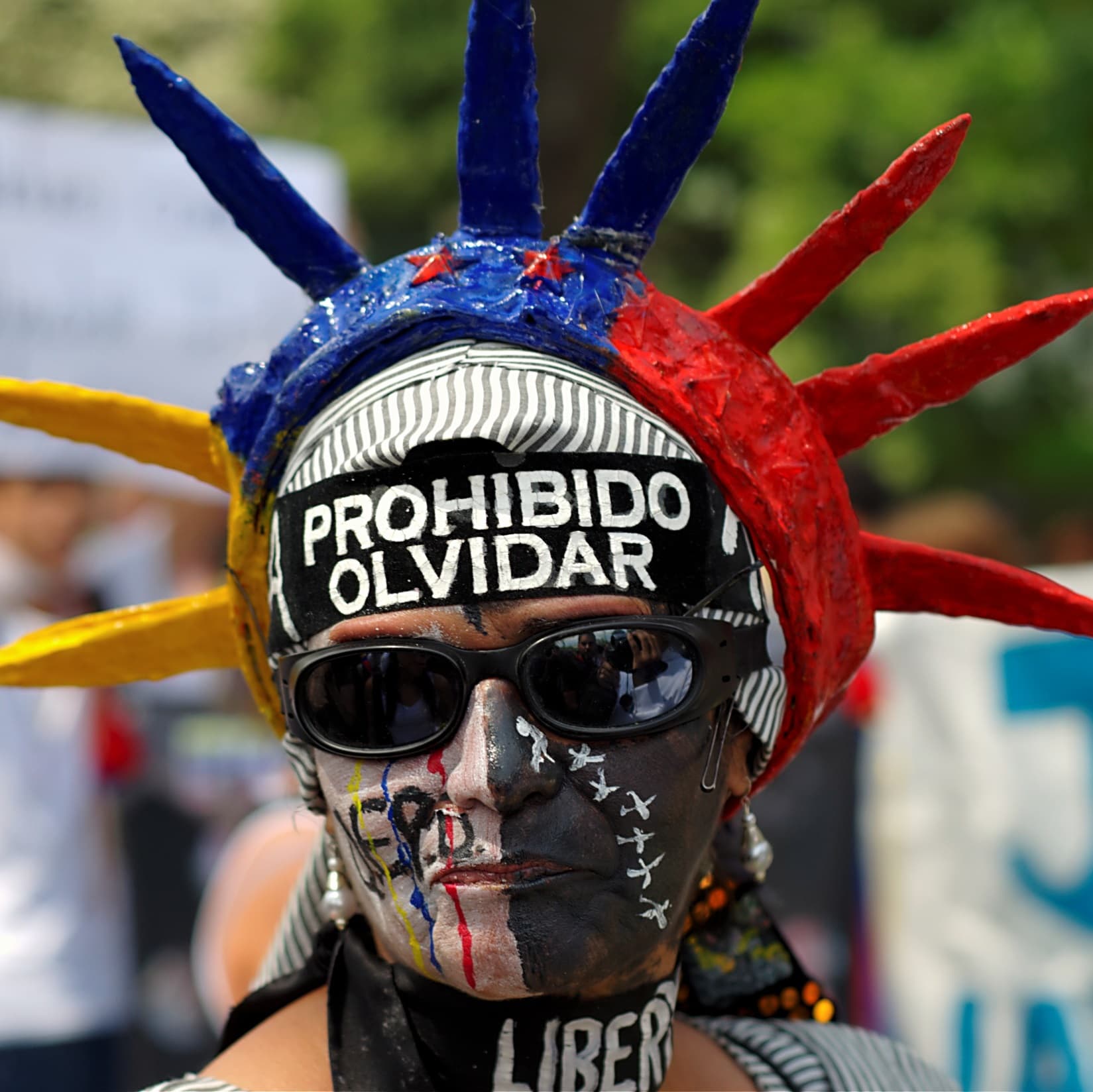
Venezuela represents the most severe case in the region. Under conditions of democratic erosion, youth political activity outside of government-sanctioned channels carries genuine personal risk. Large numbers of young Venezuelans have responded by leaving the country altogether. Those who remain face a political environment in which independent youth organizing is viewed with suspicion by the state, and access to decision-making is conditioned on loyalty to ruling structures rather than merit or representation.
The result is a generation politically formed under authoritarianism, with implications that will outlast any particular government. Rebuilding democratic culture among Venezuelan youth — wherever they are — is a long-term project that regional neighbors and international institutions are only beginning to take seriously.
Common Aspirations, Different Obstacles
Despite the differences between these three countries, young South Americans share what the UN has called "common aspirations" for dignity, participation, and opportunity. Across the region, young people consistently express concerns about access to quality education, economic security in an era of informal labor and technological disruption, a credible response to climate change, and the basic assurance that political institutions will be accountable and fair.
Digital platforms have become the primary arena where these aspirations are expressed and organized. Social media has lowered the cost of mobilization and allowed youth movements to coordinate across borders — a development that established political parties have been slow to absorb. The risk is that digital organizing, powerful as it is, substitutes for rather than feeds into formal democratic participation.
What Meaningful Inclusion Requires
Regional bodies including the Organization of American States and various UN agencies have advocated for structured youth participation mechanisms — advisory councils, reserved legislative seats, mandatory consultation processes — as ways to bridge the gap between demographic presence and political power. Progress has been halting. Where such mechanisms exist, they are often under-resourced or treated as ceremonial.
Genuine youth integration into governance requires more than formal seats. As the UN Secretary-General has argued, it requires investment in the skills that allow young people to participate effectively: critical thinking, problem-solving, and digital literacy. Without that foundation, participation becomes performative rather than substantive.
South America's democratic health over the coming decades will depend in significant part on whether its political systems can absorb, respond to, and be genuinely shaped by its youngest citizens — before those citizens conclude that the systems are not worth engaging with at all.
Remaining Questions
Several aspects of this issue require further reporting and verification. The precise proportion of youth representatives in each country's national legislature and cabinet is not confirmed here and warrants country-by-country data gathering. The specific youth participation mechanisms established under Colombia's peace agreement and their current operational status need independent verification. The scale and destinations of youth emigration, while widely reported, lack a single authoritative current figure. The effectiveness of existing regional youth advisory bodies within the OAS or CELAC structures — including their mandates, budgets, and actual influence on policy — remains underreported. Finally, the degree to which South American political parties have formally adapted their internal structures to recruit and elevate younger candidates is an area where systematic comparative data is sparse.
Several verified sources, together with artificial intelligence, were used in the preparation of this article. The content was reviewed by our editorial team prior to publication. Disclosure provided in accordance with Article 50 of the EU Artificial Intelligence Act (AI Act).