A Tortilla Worth Crossing the Street For
Ask any Honduran about their country's most beloved dish and the answer will almost certainly be the same: the baleada. At its heart, this iconic street food is disarmingly simple — a thick, soft flour tortilla folded in half and filled with creamy refried beans, a generous smear of mantequilla (a rich, slightly tangy Honduran sour cream), and a crumble of dry white cheese. Yet in that simplicity lies something close to perfection, a combination of textures and flavors that has made the baleada a cornerstone of Honduran daily life for generations.
Origins: A Street Food Born from Necessity
The baleada's exact origins are disputed, but it is widely believed to have emerged in the northern Honduran port city of La Ceiba or the bustling commercial hub of San Pedro Sula sometime in the early-to-mid 20th century. One popular legend traces it to a woman street vendor who sold the filled tortillas near a railway and who, after being shot (the Spanish word baleada means "shot woman"), became so famous that her dish inherited the name. Whether or not the story is true, the name has stuck — and so has the food.
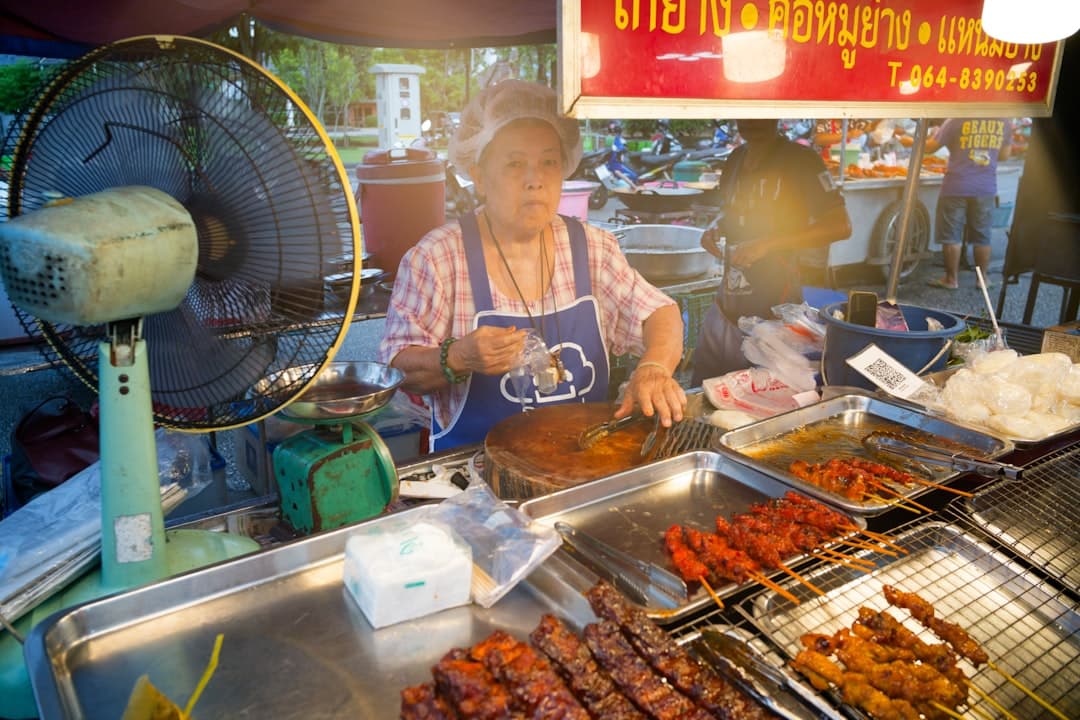
What is less disputed is the social role the baleada played. Affordable, filling, and easy to eat on the go, it became the fuel of workers, students, and market vendors alike. Sold from roadside carts and small family-run eateries called baleaderas, it crossed class lines in a way few dishes do, becoming as common at dawn as it is at midnight.
The Anatomy of a Perfect Baleada
The tortilla is everything. Unlike the thin corn tortillas common across much of Central America and Mexico, the baleada demands a thick, hand-patted flour tortilla, cooked on a comal (a flat griddle) until it is lightly charred on the outside but still pillowy and pliable within. It must be sturdy enough to hold the fillings without tearing, yet soft enough to fold cleanly in half.
The filling hierarchy is clear: refried red beans are non-negotiable, forming a warm, earthy base. Over them goes the mantequilla, which is thicker and richer than standard sour cream, adding a cooling, fatty contrast. Finally, a crumble of queso seco — a dry, salty white cheese — ties everything together.
Simple or Loaded: The Baleada Spectrum
In Honduras, baleadas are typically categorized as sencilla (simple, with just the three core ingredients) or especial (special), the latter opening the door to a world of additions. Scrambled eggs are the most popular upgrade, making the baleada especial a staple breakfast across the country. Sliced or mashed avocado adds a buttery richness that pairs naturally with the beans. Grilled or shredded meat — from chicken to beef to chorizo — transforms the snack into a full, hearty meal.
Regional and family variations also abound. In coastal areas, seafood fillings are not unheard of. Some vendors add pickled jalapeños or a drizzle of hot sauce. Others fold in fried plantains. The baleada, in this sense, is less a rigid recipe and more a philosophy: start with good tortilla, good beans, and good cream — and go from there.
Beyond Honduras: A Growing Profile
As the Honduran diaspora has grown — particularly in the United States, where large communities have settled in cities like New York, Houston, and Los Angeles — the baleada has traveled with them. Honduran restaurants across North America now serve baleadas to both nostalgic expatriates and curious newcomers, slowly earning the dish the international recognition that Hondurans have long felt it deserves.
For those who have never tried one, food writers and travelers consistently offer the same advice: skip the sit-down restaurant on your first visit to Honduras, find the nearest street cart, order a baleada sencilla, and eat it while it's still warm. The lesson, they say, is always the same — sometimes the simplest things are the most irreplaceable.
This article is based on a verified primary source. The text was editorially reviewed and fact-checked prior to publication.