Paraguayan cuisine is one of the more distinctive culinary traditions in South America, shaped primarily by the foodways of the indigenous Guaraní people and the lasting influence of Spanish colonization beginning in the sixteenth century. The result is a relatively simple but deeply rooted gastronomic culture built around a small core of staple ingredients: maize, cassava (known locally as mandioca), cheese, and meat.
Staple Ingredients and Everyday Dishes
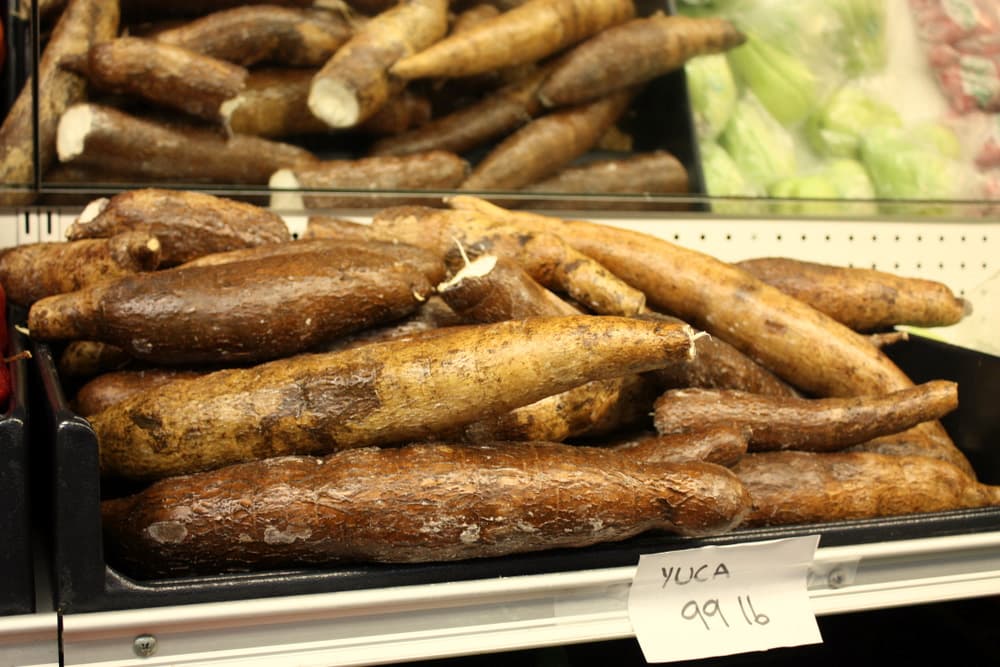
Mandioca holds a central place in the Paraguayan diet, served boiled as a side dish in much the same way bread functions in European cuisine. It accompanies soups, stews, and grilled meats at nearly every meal. Maize, the other pillar of the national kitchen, appears in a variety of preparations ranging from porridges to baked goods.
Among the most recognized dishes is sopa paraguaya, which despite its name — meaning "Paraguayan soup" — is a dense, savory cornbread made with cornmeal, fresh cheese, onion, and eggs. It is believed to have originated during the nineteenth century and remains closely tied to national identity. Another staple, chipa, is a small, firm bread made from cassava starch and cheese, traditionally baked in a tatakua, a clay oven. Chipa is widely consumed during Holy Week and at bus terminals and roadsides throughout the country.
Meat, Soups, and River Fish
Bori-bori is a traditional soup prepared with chicken or beef, vegetables, and small dumplings made from cornmeal and cheese. It is particularly associated with colder months and rural households. Grilled beef, reflecting Paraguay's strong cattle-ranching heritage, also features prominently across the country.
River fish from the Paraguay and Paraná rivers — including surubí and dorado — form an important part of the diet in riverside communities, often prepared grilled or in stews.
Guaraní Language and Food Culture
Many dish names and food-related terms in Paraguay derive from Guaraní, one of the country's two official languages alongside Spanish. This linguistic presence reflects how deeply Guaraní culture continues to influence daily life, including at the table.
Remaining Questions
The extent to which urbanization and processed food imports are shifting traditional dietary patterns across different generations in Paraguay remains an area warranting further documentation.
Sources: Dirección General de Estadística, Encuestas y Censos del Paraguay (DGEEC); UNESCO documentation on Guaraní cultural heritage; general culinary references on South American indigenous foodways.
This article was prepared using multiple verified sources and editorial research. The content was reviewed, fact-checked and approved by our editorial team prior to publication.