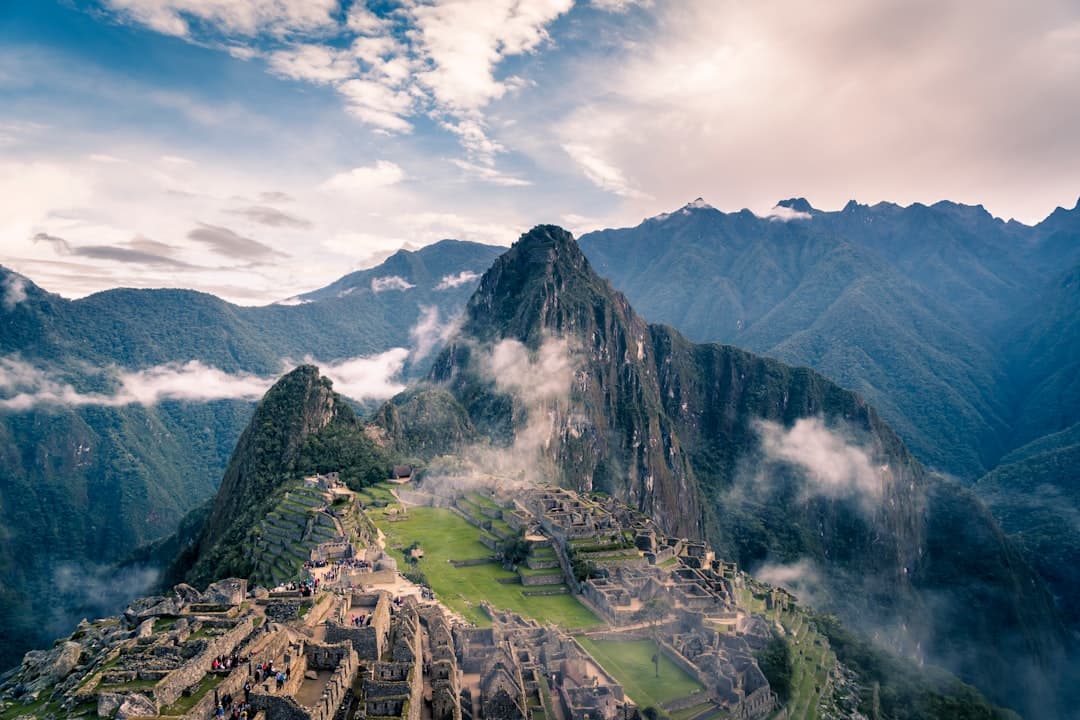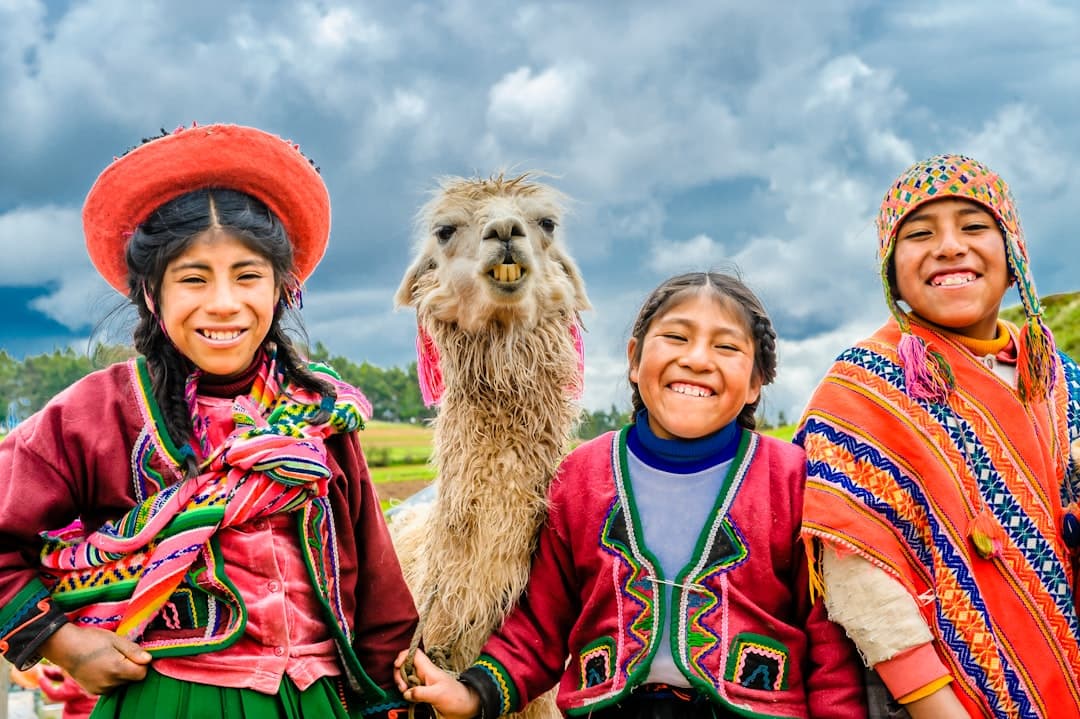
Across the spine of South America, the Andes mountains form one of the world's most distinctive culinary landscapes. At elevations that challenge agriculture, Indigenous communities developed sophisticated food systems long before European contact — systems that remain foundational to regional diets across Bolivia, Peru, Ecuador, Colombia, and Argentina.
Staple Ingredients Rooted in the Highlands
The potato, now a global staple, originates from the Andean altiplano, where communities cultivated hundreds of varieties adapted to specific altitudes and climates. Quinoa, another highland crop, was a primary source of protein for pre-Columbian civilizations and has seen a significant revival in both domestic and international markets in recent decades. Maize, though associated with lower elevations, also played a central ceremonial and nutritional role across Andean cultures.
Chuño, a freeze-dried potato product developed by Andean communities to exploit the region's natural freeze-thaw cycles at high altitude, represents one of history's earliest examples of food preservation technology. The process relies on cold nights and strong daytime sun — conditions the altiplano provides reliably — and produces a product that can be stored for years without refrigeration.
Cooking Methods and Communal Practices
Traditional Andean cooking frequently centers on the pachamanca, a method of slow-cooking meats, potatoes, and vegetables using heated stones buried in the earth. The technique, which predates the Inca Empire, remains practiced across rural and ceremonial contexts throughout the region. Clay pots, open fire cooking, and sun-drying continue to be common preparation methods in highland communities.
The chicha fermented beverage — produced primarily from maize — carries deep cultural significance across the Andes, appearing in both everyday life and ceremonial contexts. Its preparation varies by community and region, reflecting the diversity of Andean cultures despite shared geographical and historical roots.
Living Traditions Under Pressure
Urbanization and the expansion of processed food markets have placed pressure on traditional Andean foodways, particularly among younger generations. At the same time, a growing movement among chefs and cultural institutions across the region has worked to document and promote highland culinary heritage as an expression of broader Indigenous identity and history.
Remaining Questions
How effectively are Andean governments supporting the formal protection of Indigenous culinary traditions? What role do international food trends — such as the global quinoa market — play in reshaping local agricultural practices and food sovereignty?
Sources: UNESCO Intangible Cultural Heritage records; Food and Agriculture Organization of the United Nations (FAO); Smithsonian Institution Latin American food history archives; National Geographic Society geographical and cultural reporting.
This article was prepared using multiple verified sources and editorial research. The content was reviewed, fact-checked and approved by our editorial team prior to publication.