The Sacred Valley of the Incas — known in Quechua as Willka Qhichwa — runs northwest of the city of Cusco in the highland Andes of southern Peru, following the course of the Urubamba River at an elevation lower than the surrounding plateau. This geographical positioning grants the valley a milder climate than Cusco itself, a factor that made it a preferred agricultural and ceremonial zone for the Inca Empire.
Archaeological Significance
The valley floor and its surrounding hillsides are home to a dense concentration of pre-Columbian archaeological sites. Ollantaytambo, at the valley's western end, preserves one of the few Inca urban grids still inhabited today, with residents continuing to live within original Inca-built stone channels and compounds. The fortress and temple complex above the town was constructed during the reign of the Inca Pachacuti in the fifteenth century. Further along the valley, the salt evaporation ponds of Maras — operated through a system of channels redirecting a naturally salty spring — have been in continuous use since before the Inca period.
Agriculture and Terracing
The hillside terraces, or andenes, engineered by the Inca remain a defining feature of the landscape. The circular agricultural terracing at Moray, believed to have functioned as an experimental station for cultivating crops at varying microclimates, represents a sophisticated understanding of agronomy. Quinoa, maize, and potato varieties native to the Andes are still cultivated across the valley.
Cultural Continuity
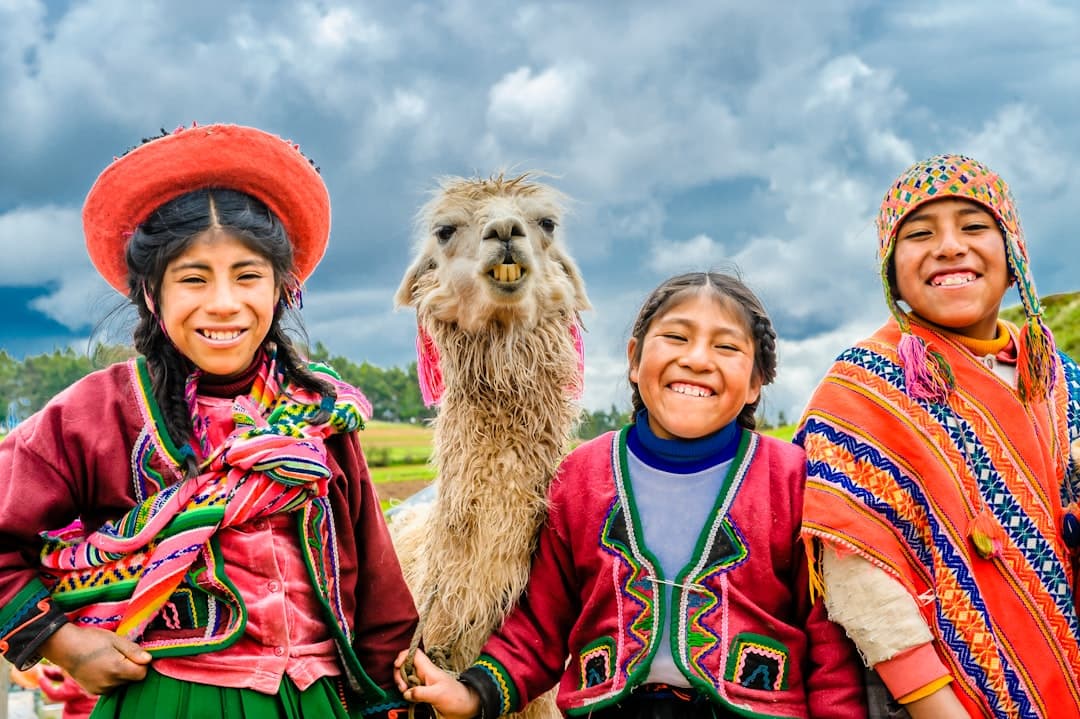
Quechua-speaking communities throughout the valley maintain traditional textile practices, agricultural calendars, and religious observances that blend pre-Columbian and Catholic influences. Markets in towns such as Pisac attract both local traders and international visitors, functioning as genuine commercial and social hubs rather than solely as tourist attractions.
Regional Gateway
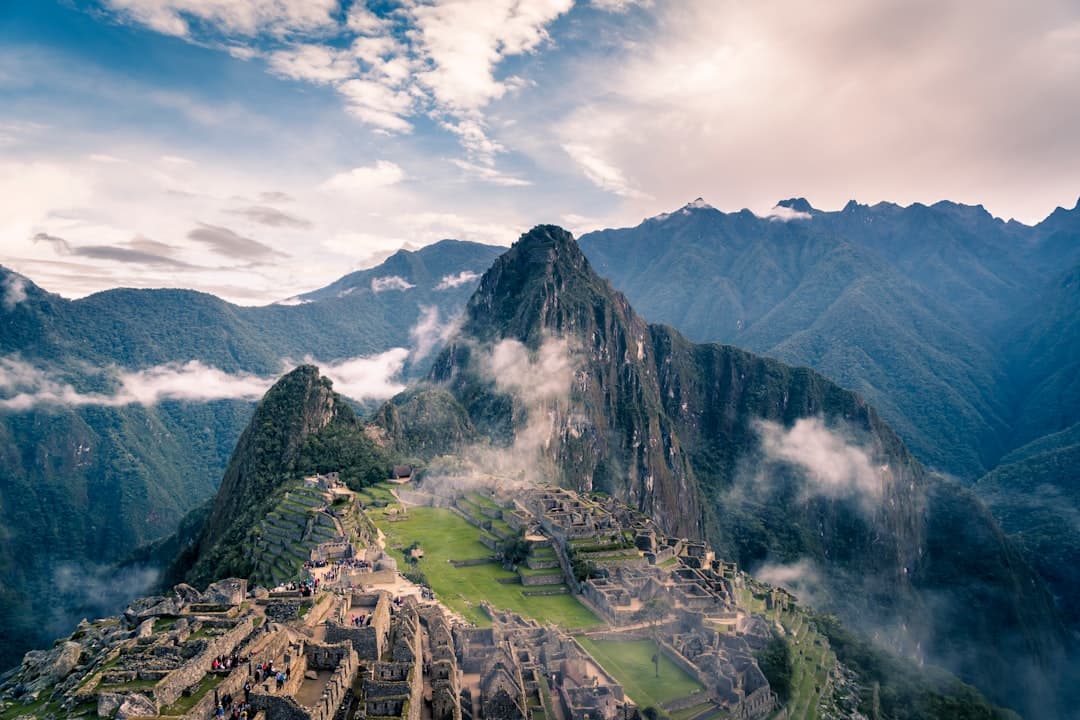
The valley serves as the primary overland and rail corridor connecting Cusco to Aguas Calientes, the gateway town for Machu Picchu, a UNESCO World Heritage Site. Infrastructure development along the route has grown significantly in recent decades, raising ongoing discussions about heritage preservation and sustainable tourism management.
Remaining Questions
How will increased infrastructure development along the Urubamba corridor affect the long-term preservation of unexcavated archaeological sites? What measures are being taken to ensure that local Quechua communities benefit equitably from tourism revenues?
Sources: UNESCO World Heritage Centre (whc.unesco.org); Peru's Ministry of Culture (gob.pe/cultura); Encyclopædia Britannica — "Sacred Valley"; National Geographic Society geographic and historical records.
This article was prepared using multiple verified sources and editorial research. The content was reviewed, fact-checked and approved by our editorial team prior to publication.