The Guaraní represent one of South America's most culturally resilient indigenous peoples, with their language, traditions, and worldview deeply woven into the fabric of modern Paraguay. Unlike many indigenous cultures across the continent, Guaraní identity has survived centuries of colonization and continues to shape Paraguayan national life in concrete, everyday ways.
A Language Shared by a Nation
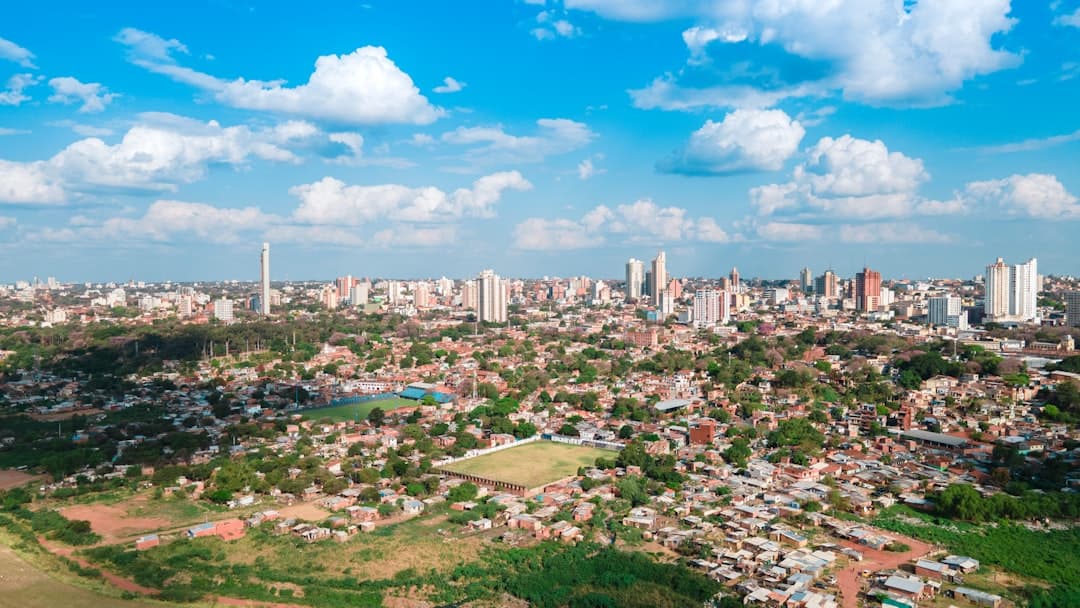
Paraguay stands as one of the few countries in the Americas where an indigenous language holds official co-equal status alongside a European one. Guaraní and Spanish are both recognized as official languages of the Republic of Paraguay under its constitution. A significant majority of the Paraguayan population speaks Guaraní, making it far more than a heritage language confined to rural communities — it is used in schools, media, commerce, and government communication.
Roots and Reach of the Guaraní People
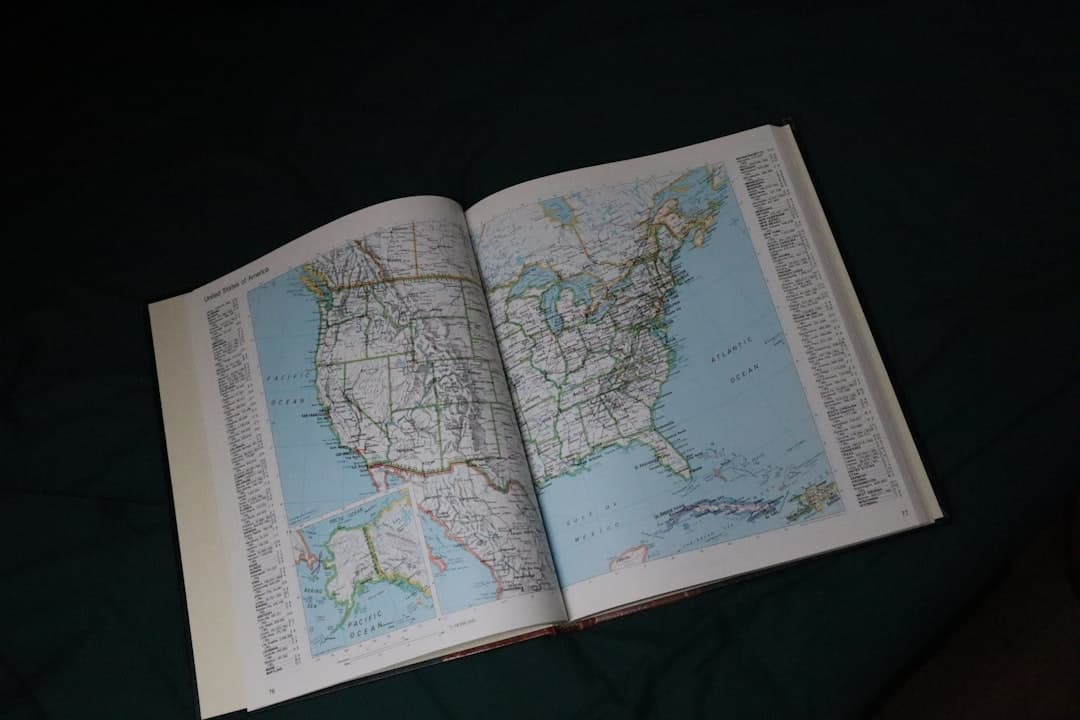
Before European contact, Guaraní-speaking peoples inhabited a vast territory spanning present-day Paraguay, southern Brazil, northeastern Argentina, and parts of Bolivia and Uruguay. Their societies were organized around semi-nomadic communities with deep spiritual connections to the natural world. The arrival of Spanish colonizers in the 16th century and the subsequent Jesuit missionary period — which produced the famous reducciones, or mission settlements — profoundly altered Guaraní social structures, though many cultural elements persisted through adaptation.
Traditions and Material Culture
Guaraní artistic traditions include intricate featherwork, ceramics, basket weaving, and woodcarving. The ao po'i, a delicate hand-embroidered textile, and the ñandutí, a lace-making tradition associated with the city of Itauguá, both trace cultural lineage to Guaraní and colonial-era mestizo craftsmanship. Music, oral storytelling, and ceremonial practices connected to agricultural cycles remain present in rural Guaraní communities.
Contemporary Status
Guaraní communities in Paraguay continue to face land rights disputes and economic marginalization, though cultural organizations and state institutions work to preserve linguistic and traditional knowledge. The Guaraní language has seen renewed promotion through bilingual education programs. Across the broader Southern Cone, Guaraní cultural influence remains a recognized element of regional identity.
Remaining Questions
How effective have bilingual education policies been in sustaining Guaraní fluency among younger urban generations? What progress has been made on land recognition claims for rural Guaraní communities?
Sources: Constitución de la República del Paraguay (1992); UNESCO Atlas of the World's Languages in Danger; Jesuit Missions of La Santísima Trinidad de Paraná and Jesús de Tavarangue (UNESCO World Heritage documentation); Smithsonian Institution — Handbook of South American Indians.
This article was prepared using multiple verified sources and editorial research. The content was reviewed, fact-checked and approved by our editorial team prior to publication.