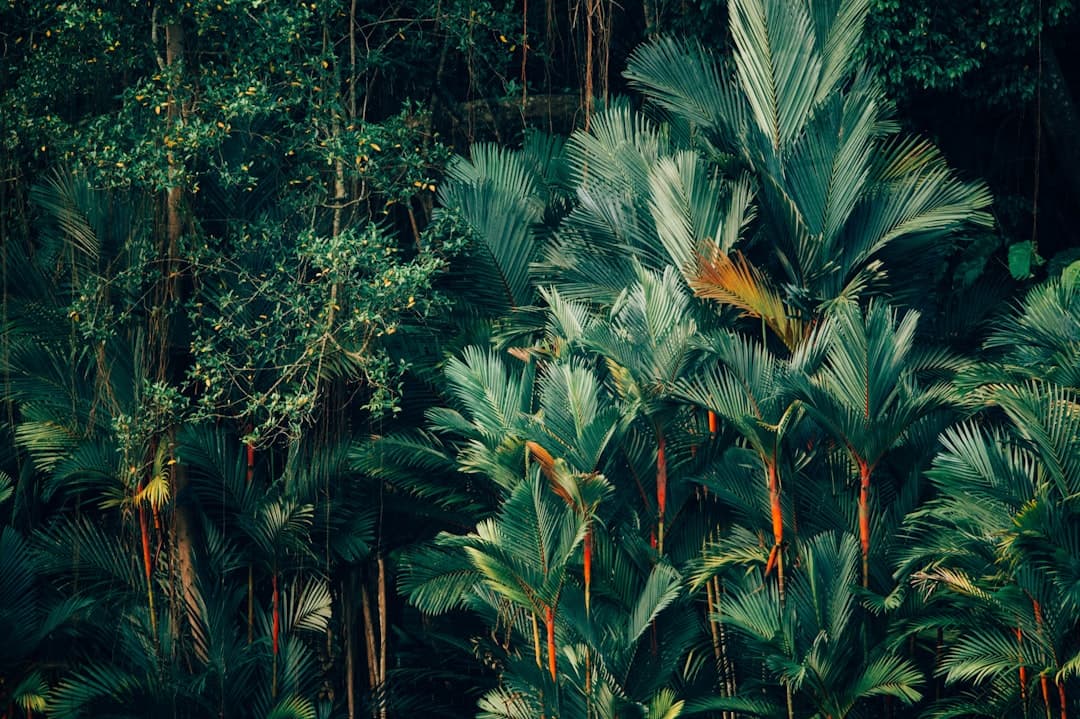
Peru's Amazon basin — spanning vast stretches of jungle across the Loreto, Ucayali, Madre de Dios, and Amazonas regions — is home to one of the most biologically and culturally diverse food traditions on the continent. Rooted in the practices of dozens of indigenous peoples, Amazonian Peruvian cuisine relies on ingredients sourced directly from the rainforest, its rivers, and its soils.
Native Ingredients at the Core
Staple ingredients of the Peruvian Amazon include yuca (cassava), plantains, palm hearts, and a wide variety of freshwater fish. Paiche (Arapaima gigas), one of the largest freshwater fish in the world, is among the most prized and widely consumed species in the region. Other common protein sources include river turtles, jungle game, and insects, which have been part of indigenous diets for generations.
Tropical fruits native to the Amazon — such as camu camu, aguaje, cocona, and copoazú — feature prominently in both everyday meals and traditional preparations. These fruits are recognized internationally for their nutritional properties, and several have attracted commercial interest beyond Peruvian borders.
Signature Dishes and Preparations
Among the most recognized dishes is juane, a preparation of rice, chicken, eggs, and spices wrapped in bijao leaves and cooked over heat — traditionally associated with the Feast of San Juan celebrated in Amazonian towns. Tacacho con cecina, a combination of mashed roasted plantain balls served alongside smoked dried pork, is another emblematic dish of the region.
Masato, a fermented beverage made from yuca, holds cultural significance across many Amazonian communities, where its preparation and sharing carry social and ceremonial meaning.
Growing Recognition
Amazonian Peruvian cuisine has gained increasing visibility within Peru's broader gastronomic movement, which has positioned the country as one of Latin America's leading culinary destinations. Restaurants in Lima and Iquitos have incorporated Amazonian ingredients into their menus, bringing regional flavors to wider domestic and international audiences. The cuisine also intersects with ongoing discussions around biodiversity conservation and indigenous food sovereignty.
Remaining Questions
How are rising commercial demand and tourism affecting the sustainability of wild ingredient harvesting in the Peruvian Amazon? What formal protections, if any, exist for indigenous culinary heritage in Peruvian law?
Sources: Promperú (Peru's Export and Tourism Promotion Board), Peru Ministry of Culture, FAO Regional Office for Latin America and the Caribbean, Apega (Peruvian Gastronomy Society).
This article was prepared using multiple verified sources and editorial research. The content was reviewed, fact-checked and approved by our editorial team prior to publication.