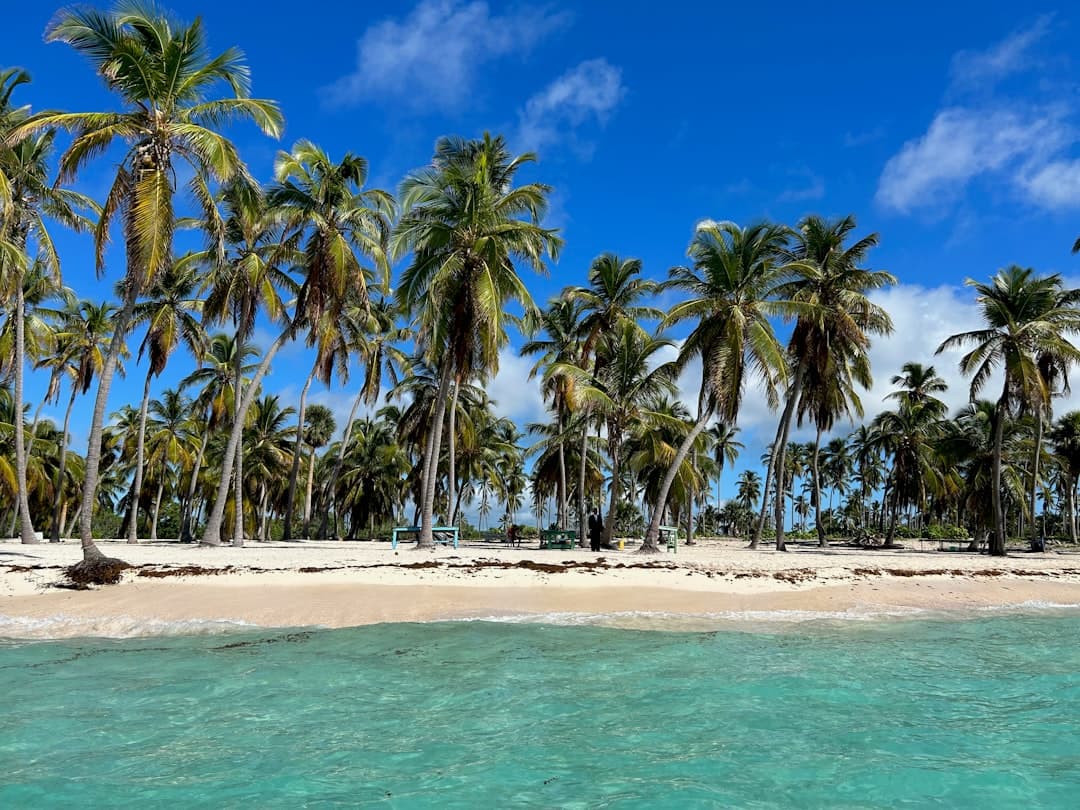
Stretching along Panama's northeastern Caribbean coastline and into northwestern Colombia, the comarca of Guna Yala is home to the Guna people — an indigenous nation whose traditions, language, and political structures have survived centuries of colonial and post-colonial pressure. The territory encompasses hundreds of islands, coral reefs, and dense tropical forest, forming one of the most biologically and culturally significant regions in Central America.
A Nation Within a Nation
The Guna hold a formally recognized degree of political autonomy within the Republic of Panama. Their governance is organized through the Congreso General Guna, a traditional assembly that convenes regularly to deliberate on internal affairs, land use, and relations with the Panamanian state. Local communities are each led by a saila, a chief whose authority is rooted in oral tradition and communal consensus rather than state appointment.
This model of self-governance is widely studied in Latin America as a functioning example of indigenous territorial rights coexisting within a national legal framework.
Mola: Textile as Cultural Record
Among the most internationally recognized expressions of Guna culture is the mola — a hand-stitched textile panel produced by Guna women using a reverse appliqué technique. Molas depict animals, geometric patterns, and cosmological imagery, functioning as both personal adornment and a visual record of Guna worldview. They are collected by museums across Europe and the Americas and have been the subject of academic study in fields ranging from anthropology to textile arts.
Environmental Stewardship Under Pressure
The low-lying islands of Guna Yala face measurable threats from rising sea levels, a concern that has prompted internal community discussions about the possible relocation of some island settlements to the mainland. The Guna have historically maintained a relationship with their environment guided by traditional ecological knowledge, limiting outside commercial exploitation of their reefs and forests.
International organizations and Panamanian authorities have recognized Guna Yala as a priority zone for both cultural preservation and marine conservation efforts.
Remaining Questions
How will the Guna Yala comarca balance increased tourism interest with the preservation of cultural and environmental integrity? What mechanisms will determine community-led relocation decisions as coastal conditions change?
Sources: Congreso General Guna (official body), Smithsonian Tropical Research Institute, UNESCO Intangible Cultural Heritage documentation, Panamanian Ministry of Government comarca legislation.
This article was prepared using multiple verified sources and editorial research. The content was reviewed, fact-checked and approved by our editorial team prior to publication.