Panama sits at the crossroads of two oceans, giving the narrow isthmus a dual coastal identity that few countries in the Americas can match. While destinations such as Bocas del Toro and Coronado draw consistent international attention, a separate network of remote beaches remains well outside the typical tourist circuit.
Caribbean Side: The Guna Yala Archipelago
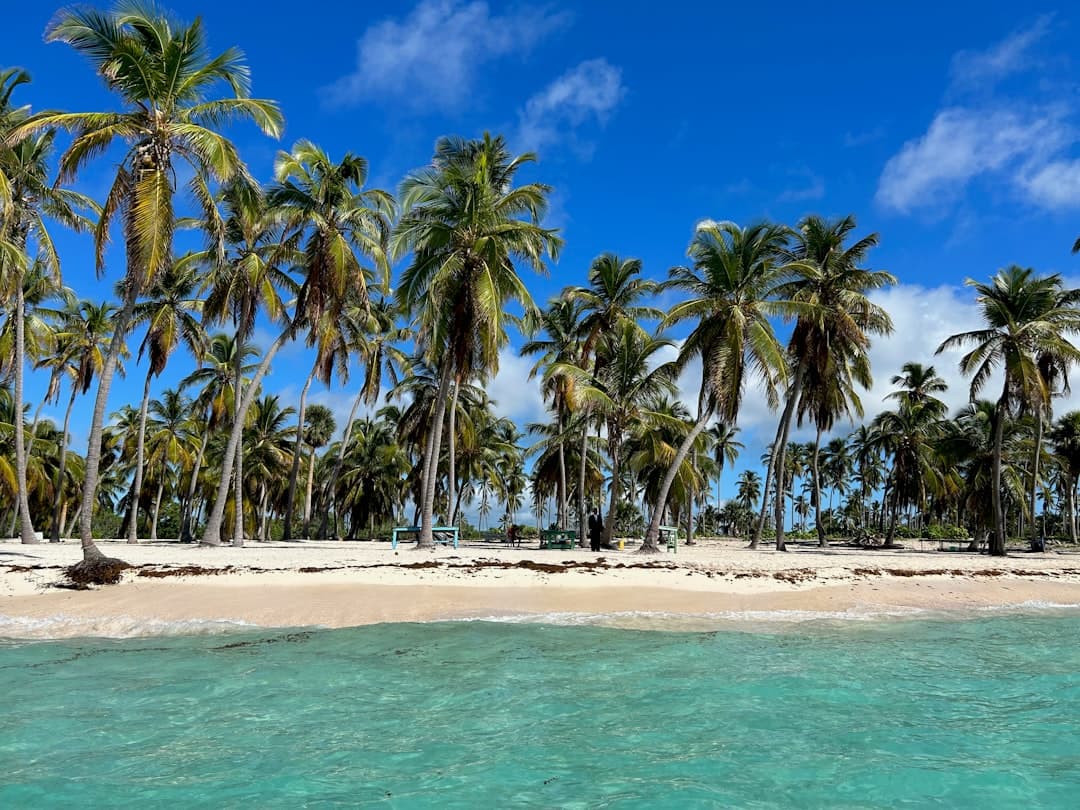
The comarca of Guna Yala, stretching along Panama's northeastern Caribbean coast, encompasses hundreds of small islands and sandbar beaches accessible primarily by light aircraft or boat. The territory is governed autonomously by the Guna Indigenous people, and access to certain areas requires coordination with local community authorities. The beaches here are characterized by fine white sand, shallow turquoise water, and minimal infrastructure — conditions that have remained largely unchanged for generations.
Pacific Side: Darién and the Azuero Peninsula
On the Pacific coast, the province of Darién — bordering Colombia — contains stretches of beach that see extremely limited visitor traffic due to the region's geographic isolation. The dense jungle meets the shoreline in areas that can only be reached by river canoe or small charter plane. Separately, the Azuero Peninsula, though more accessible by road, shelters coves and beaches along its southern tip that remain far less visited than the peninsula's better-known towns of Pedasí and Playa Venao.
Coiba National Park
Coiba Island, designated a UNESCO World Heritage Site for its marine biodiversity, sits off the Pacific coast of Veraguas province. Access is regulated by Panama's environmental authority, MIAMBIENTE, and visitor numbers are deliberately kept low. The surrounding islands within the national park contain beaches that function as nesting grounds for sea turtles and habitat for a range of endemic wildlife.
Infrastructure and Access
The common thread across Panama's hidden beaches is limited road access. The country's road network does not extend uniformly to its coastlines, meaning that many of the most pristine areas remain buffered from large-scale tourism development. Charter boat services, small regional airlines, and guided wilderness operators represent the primary means of reaching these locations.
Remaining Questions
The long-term balance between conservation and regulated tourism access in areas like Darién and Guna Yala remains an open policy question for Panamanian authorities and Indigenous governance bodies alike.
Sources: Panama's National Environmental Authority (MIAMBIENTE), UNESCO World Heritage List, Guna Yala Comarca official documentation, Panama Tourism Authority (ATP) regional guides.
This article was prepared using multiple verified sources and editorial research. The content was reviewed, fact-checked and approved by our editorial team prior to publication.