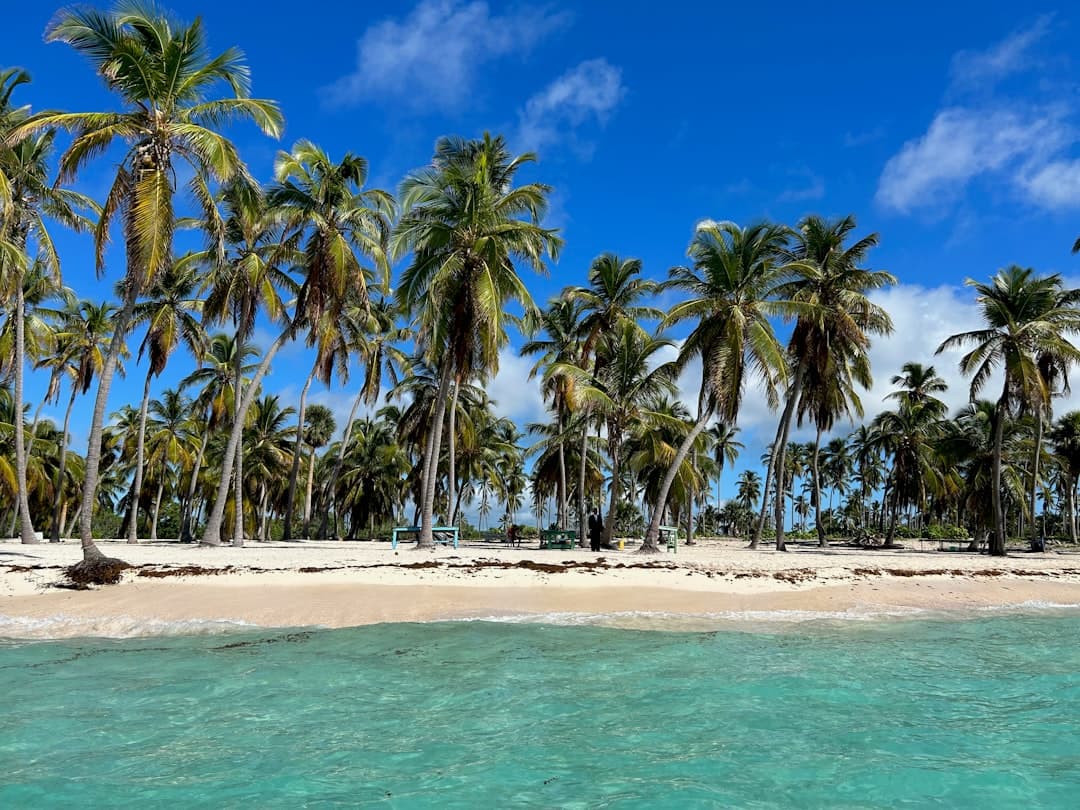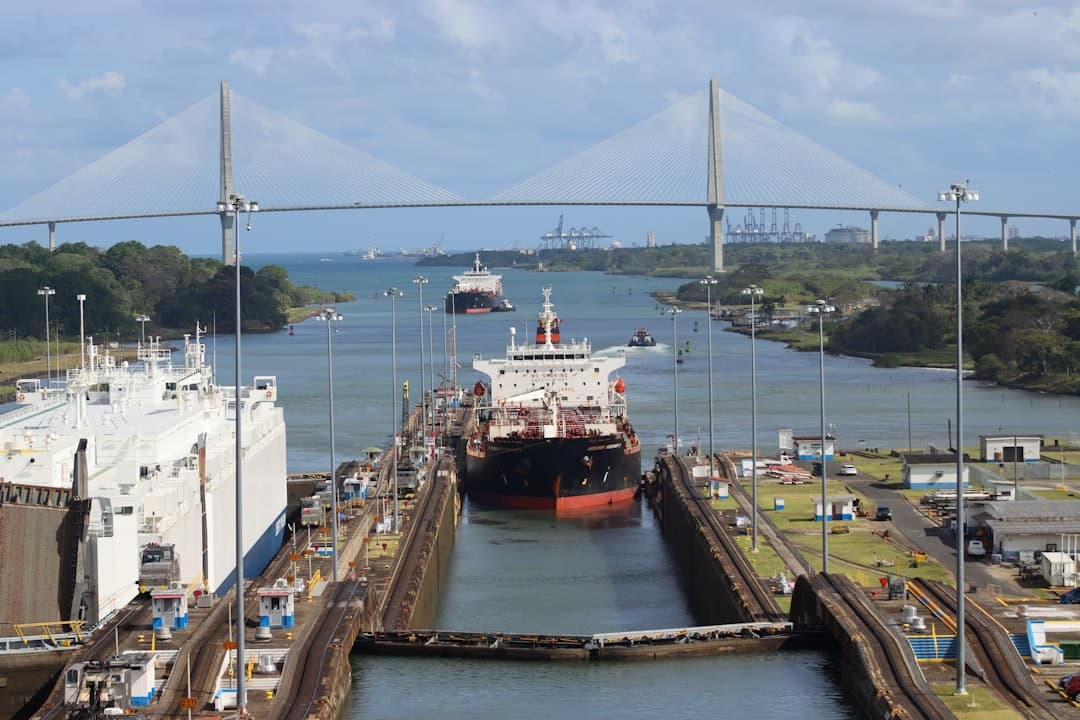
Panama, home to two coastlines and some of the richest marine ecosystems in the Western Hemisphere, has become a focal point in regional efforts to develop sustainable seafood industries. Positioned between the Pacific Ocean and the Caribbean Sea, the country holds a strategic role in both artisanal and commercial fishing across Central America.
A Coastline Under Pressure
Panama's fishing sector supports a substantial portion of rural and coastal livelihoods. The Pacific coast, particularly the Gulf of Chiriquí and the Gulf of Panama, has historically served as productive ground for species such as shrimp, tuna, and corvina. The Caribbean side, while smaller in industrial output, sustains artisanal fishing communities, including indigenous Guna and Ngäbe populations whose food security is closely tied to marine resources.
Overfishing, habitat degradation from coastal development, and the effects of climate change on water temperatures have placed measurable stress on these ecosystems. Marine scientists have documented significant declines in certain fish populations along both coasts over recent decades.
Regulatory Framework and Certification Efforts
Panama's seafood sector is governed primarily by the Autoridad de los Recursos Acuáticos de Panamá (ARAP), the national authority responsible for managing aquatic resources, setting catch limits, and enforcing fishing regulations. ARAP has worked alongside international bodies such as the Inter-American Tropical Tuna Commission (IATTC) to align domestic policies with broader regional conservation goals.
Some Panamanian fishing operations have pursued Marine Stewardship Council (MSC) certification or similar third-party sustainability standards, which can open access to premium export markets in North America and Europe. Consumer demand for certified sustainable seafood has grown steadily in those markets, creating commercial incentives for producers to adopt responsible practices.
Aquaculture as a Complementary Path
Alongside wild-catch fisheries, Panama has developed a modest but growing aquaculture sector. Shrimp farming along the Pacific lowlands and tilapia cultivation in interior regions represent efforts to reduce pressure on wild stocks while meeting domestic and export demand. Environmental standards for aquaculture operations remain an area of ongoing regulatory development.
Remaining Questions
How effectively ARAP enforces catch limits in remote coastal areas, whether small-scale artisanal fishers can access sustainability certification programs, and how climate-driven shifts in fish migration patterns will reshape Panama's fishing zones are questions that remain open in the sector's long-term planning.
Sources: Autoridad de los Recursos Acuáticos de Panamá (ARAP), Inter-American Tropical Tuna Commission (IATTC), Marine Stewardship Council (MSC), FAO Fisheries and Aquaculture Department.
This article was prepared using multiple verified sources and editorial research. The content was reviewed, fact-checked and approved by our editorial team prior to publication.