San Blas Islands: A Traveler's Guide to Panama's Kuna Yala Archipelago
The San Blas Islands, formally part of the Guna Yala comarca on Panama's Caribbean coast, form an archipelago of several hundred small islands stretching along the northeastern shoreline of the country. The territory is governed autonomously by the Guna people, one of Panama's most prominent indigenous groups, who have maintained political and cultural self-determination over the region for nearly a century.
Access and Entry
Travelers typically reach the islands by small charter aircraft from Panama City's Albrook Airport, or overland via a rough mountain road that descends to the coast, followed by a short boat transfer. The Guna authorities require all visitors to pay an entry fee upon arrival, the proceeds of which support local governance and community services. Foreign nationals must carry a valid passport.
Accommodation and Infrastructure
Accommodation across the islands is primarily provided through small, locally owned guesthouses and rustic eco-lodges, many of them built on the islands themselves or on the adjacent mainland coast. Electricity and running water are limited across much of the archipelago, and the absence of large hotel chains reflects both the physical constraints of the islands and deliberate decisions by Guna authorities to control tourism development.
Culture and Environment
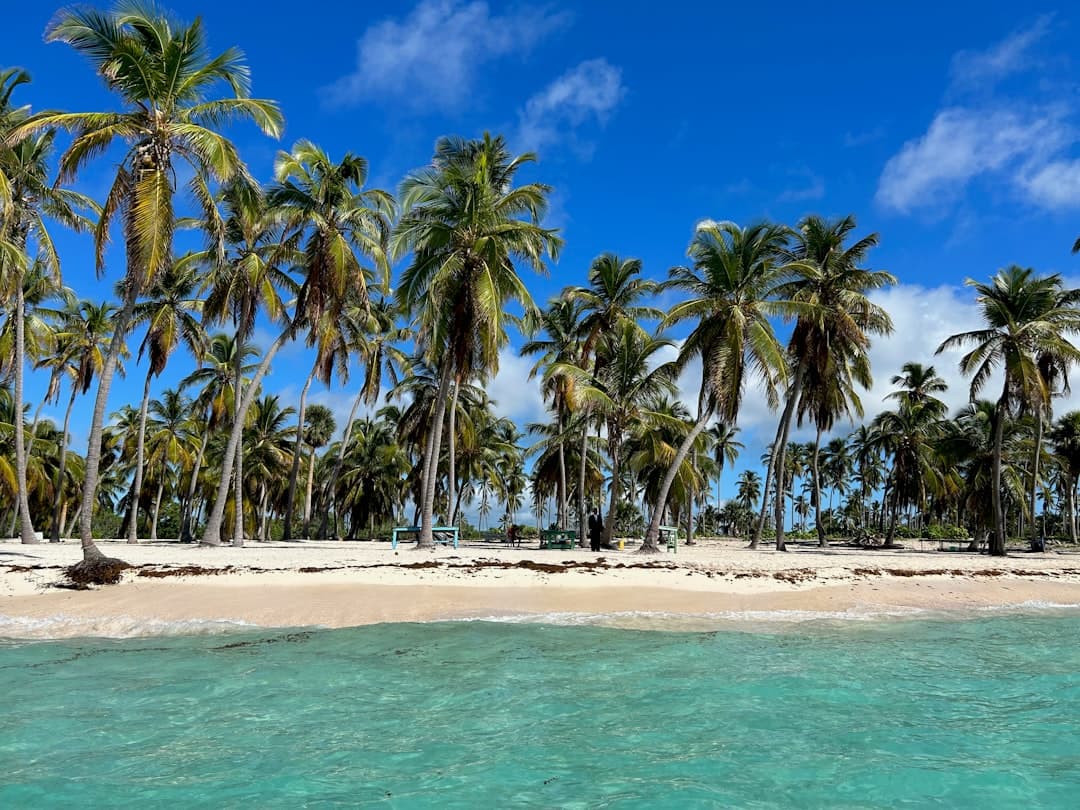
The Guna are widely recognized for their production of molas — hand-stitched textile panels featuring geometric and figurative designs — which serve both ceremonial purposes and as a significant source of income through trade with visitors. The surrounding Caribbean waters are known for their clarity and marine biodiversity, making snorkeling and sailing popular activities. Coral reef ecosystems are present throughout the region, though climate-related pressures on reef health have been documented across the wider Caribbean basin.
Practical Considerations
The local economy operates largely on cash, and visitors are advised to carry sufficient Panamanian balboas or US dollars, as ATMs are not available on the islands. Fresh water and food supplies are transported to many of the smaller islands from the mainland. Travelers should carry any required medications, as medical facilities in the archipelago are limited.
Remaining Questions
The long-term impact of rising sea levels on low-lying Guna Yala islands remains an active subject of research, and the extent to which tourism growth may alter the region's governance model has yet to be fully documented.
Sources: Panama Tourism Authority (ATP), Smithsonian Tropical Research Institute, Guna Yala Comarca official governance records, UN documentation on indigenous self-determination in Panama.
This article was prepared using multiple verified sources and editorial research. The content was reviewed, fact-checked and approved by our editorial team prior to publication.