Each year on June 24, the ancient city of Cusco, Peru, transforms into a stage for one of the continent's most visually striking cultural events. Inti Raymi — Quechua for "Festival of the Sun" — commemorates the Inca winter solstice and pays homage to Inti, the sun deity central to Inca cosmology and statecraft.
Origins in the Inca Empire
The festival traces its roots to the reign of the Sapa Inca Pachacuti in the 15th century, when it served as a major state ceremony held at the Coricancha, the principal temple of the sun in Cusco. Spanish colonial authorities banned the festival in 1572, viewing it as incompatible with Catholic evangelization efforts. Despite the prohibition, elements of the celebration survived within local communities across the Andean highlands.
A Modern Revival
In 1944, Peruvian playwright and intellectual Faustino Espinoza Navarro led an effort to revive the festival based on historical chronicles, including those of the mestizo historian Garcilaso de la Vega. The modern ceremony unfolds across three principal sites in Cusco: the Coricancha temple, the central Plaza de Armas, and the fortress of Sacsayhuamán, where the main dramatic reenactment takes place.
The ceremony features elaborately costumed performers representing the Sapa Inca, the Coya (his queen), priests, and members of the imperial court. Ritual offerings, processions, and ceremonial speeches delivered in Quechua form the core of the event. No animals are harmed in the modern version; a symbolic sacrifice replaces practices described in colonial-era accounts.
Cultural and Economic Significance
Inti Raymi consistently ranks among Peru's largest annual public events, drawing large domestic and international audiences to Cusco each June. The Peruvian government and regional authorities recognize the festival as a key element of cultural heritage promotion. For many Andean communities, the event also carries genuine spiritual and identity-related meaning beyond its role in tourism.
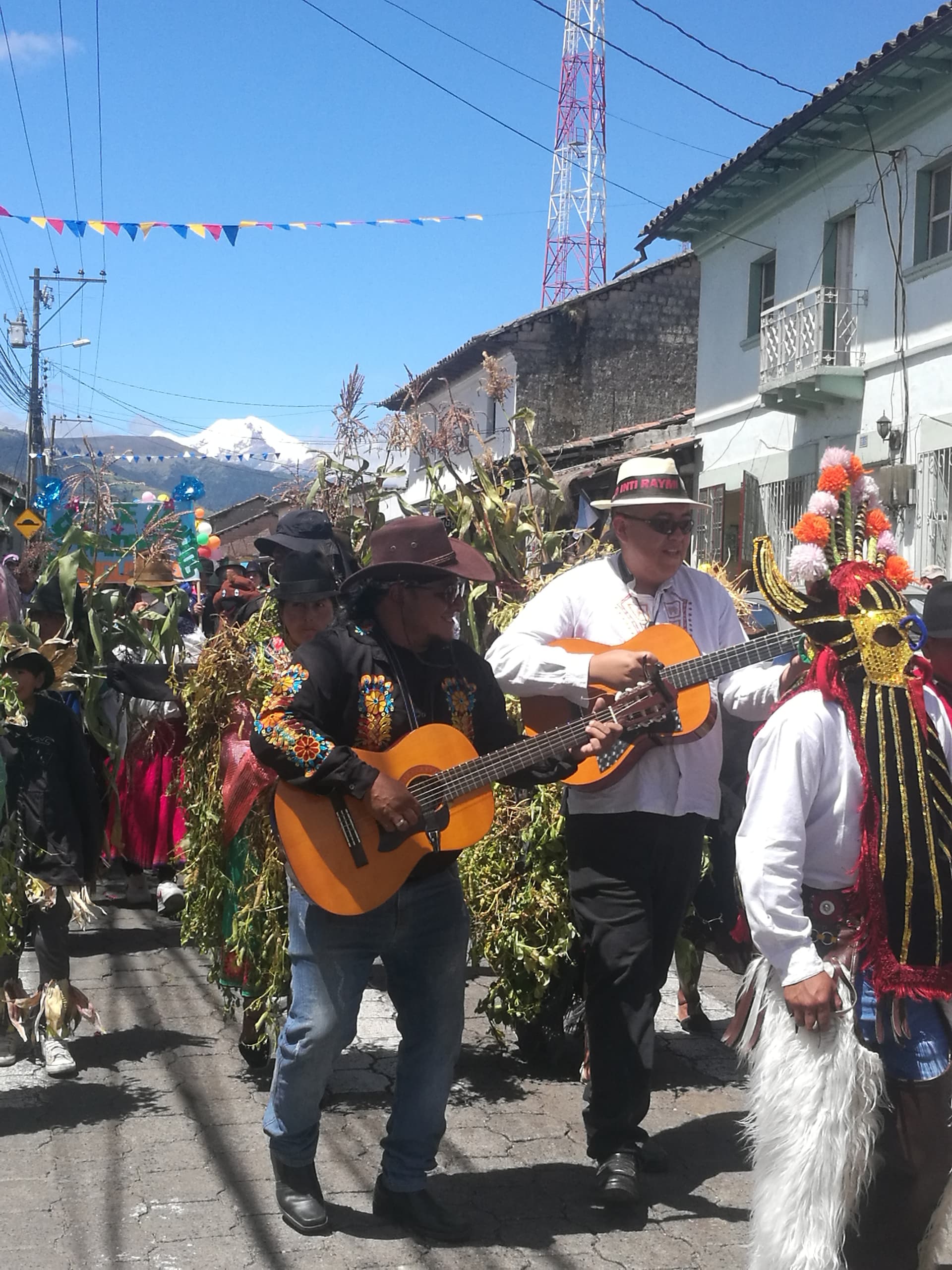
The festival sits within a broader regional pattern of Andean solar celebrations, with related observances taking place in Bolivia, Ecuador, and among indigenous communities in northern Argentina and Chile.
Remaining Questions
Scholars continue to debate the degree to which the modern ceremony reflects pre-colonial practices, given that primary Inca written records do not exist and colonial accounts carry inherent biases. The balance between cultural authenticity and the demands of large-scale public performance remains an ongoing discussion among historians, anthropologists, and Andean communities themselves.
Sources: UNESCO Intangible Cultural Heritage records; Garcilaso de la Vega, Comentarios Reales de los Incas (1609); Ministerio de Cultura del Perú; Encyclopedia Britannica — "Inti Raymi."
This article was prepared using multiple verified sources and editorial research. The content was reviewed, fact-checked and approved by our editorial team prior to publication.