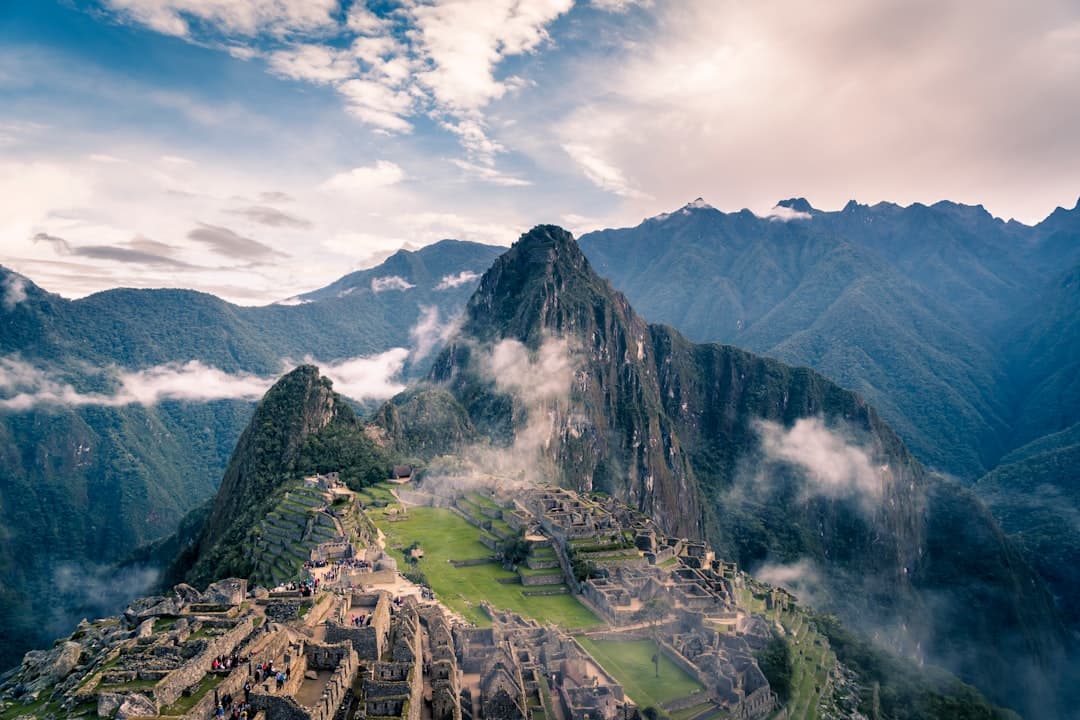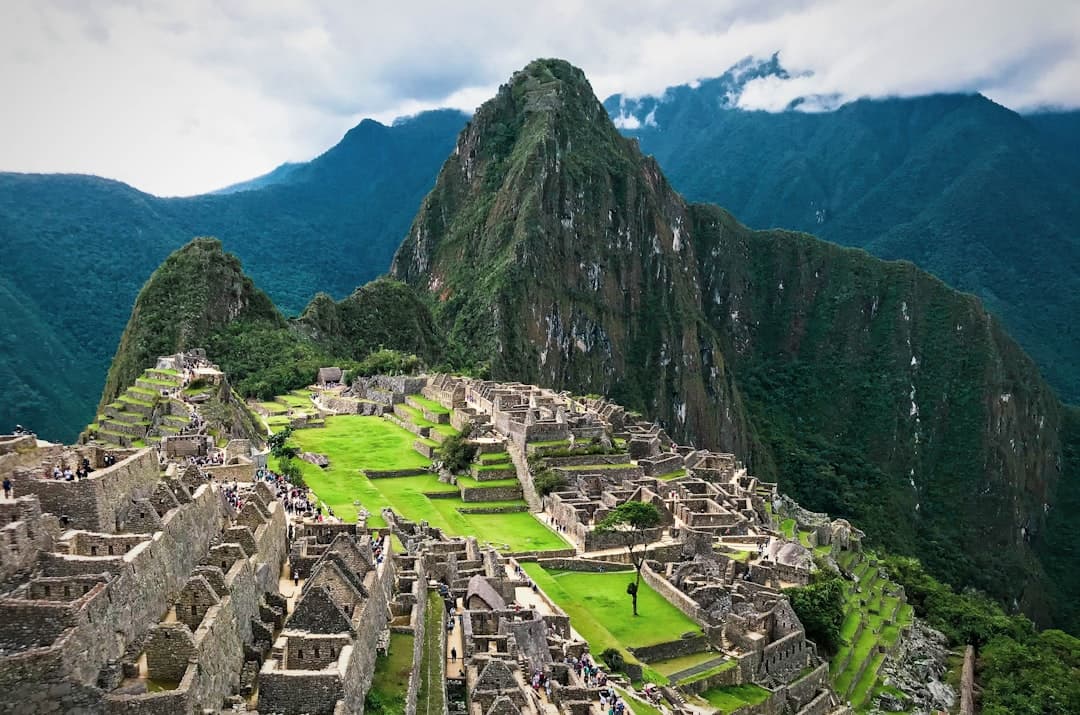
Machu Picchu, the 15th-century Inca citadel situated in the Cusco Region of southern Peru, draws visitors from across the globe each year. Built at an elevation of approximately 2,430 metres above sea level in the Eastern Cordillera of the Andes, the site was largely unknown to the outside world until American historian Hiram Bingham brought it to international attention in 1911.
Getting There
The primary gateway to Machu Picchu is the town of Aguas Calientes, also known as Machu Picchu Pueblo, located at the base of the mountain. Visitors typically reach Aguas Calientes by train from either Cusco or the town of Ollantaytambo in the Sacred Valley. From Aguas Calientes, buses operated by a concession company run regularly up the switchback road to the citadel entrance. Alternatively, a well-maintained hiking trail from the town allows visitors to ascend on foot.
Entry and Ticketing
Access to the site is managed by the Peruvian Ministry of Culture, which enforces a daily visitor cap to limit environmental impact. Tickets must be purchased in advance through the official government portal, and entry is assigned to specific time slots. Visitors are required to be accompanied by a licensed guide, a regulation introduced to ensure both heritage protection and visitor orientation. Separate permits are required for the hike along the Inca Trail, and those slots are limited and sell out well ahead of peak seasons.
Best Time to Visit
Peru's dry season, running roughly from May through October, is generally considered the most favourable period for visiting the site. Cloud cover and rainfall are significantly reduced during these months, offering clearer views of the surrounding mountain peaks, including the iconic Huayna Picchu. The wet season, from November through April, brings lush vegetation but frequent rain and mist.
Health and Practical Considerations
Altitude sickness is a common concern for visitors arriving from lower elevations. Medical advice typically recommends spending at least one or two days acclimatising in Cusco before ascending to the site. Cusco itself sits at over 3,400 metres above sea level. Sun protection, layered clothing, and sufficient hydration are standard recommendations for any visit to the high Andes.
Remaining Questions
Ongoing debates persist around the long-term sustainability of visitor numbers at Machu Picchu, the future of infrastructure development in Aguas Calientes, and proposed changes to ticketing and access policies by Peruvian authorities.
Sources: UNESCO World Heritage Centre, Peruvian Ministry of Culture, PromPerú (Peru's tourism and promotion commission)
This article was prepared using multiple verified sources and editorial research. The content was reviewed, fact-checked and approved by our editorial team prior to publication.