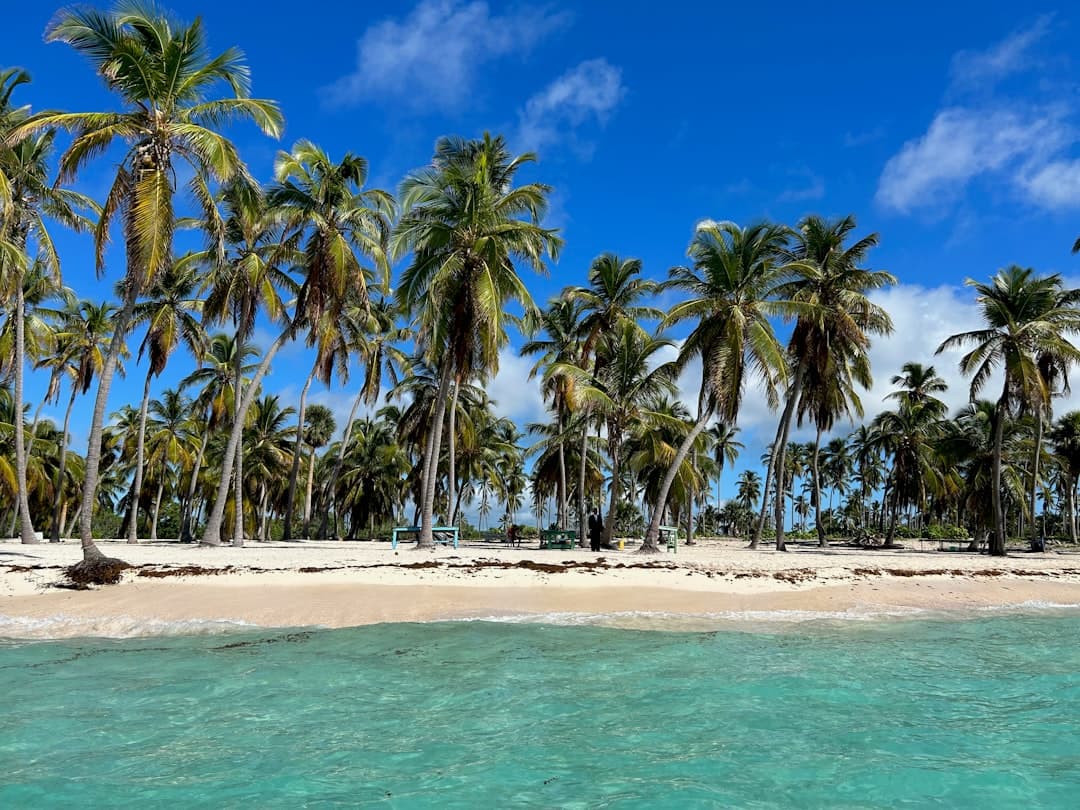
Straddling the narrow land bridge between North and South America, Panama benefits from a humid tropical climate, rich volcanic soils, and year-round rainfall patterns that together support one of the most diverse fruit-growing environments in the Western Hemisphere. The country's topography — ranging from Caribbean coastal plains to Pacific-facing slopes and the fertile highlands around Chiriquí province — allows farmers to cultivate fruits that thrive across a wide range of elevations and microclimates.
Staples of the Panamanian Landscape
Among the most widely grown fruits in Panama are bananas and plantains, which have long served as both a subsistence crop and a major export commodity. The banana industry, concentrated largely in the Bocas del Toro and Chiriquí regions, has historically shaped land use and rural economies across the isthmus. Papaya, known locally as lechosa, is another fixture of Panamanian farms and markets, valued for its fast growth cycle and high yields in tropical lowlands.
Pineapples, mangoes, and passion fruit — known as maracuyá — are cultivated extensively and appear regularly in local markets, fresh juice stalls, and home cooking. The maracuyá in particular has grown in commercial importance as demand for tropical flavors increases in export markets.
Lesser-Known Varieties with Deep Roots
Panama also harbors a range of fruits less familiar to international consumers. The guanábana (soursop), nance, marañón (cashew fruit), and jobo are deeply embedded in indigenous and Afro-Caribbean food traditions. The nance, a small yellow berry with a distinctive tart flavor, is used in fermented drinks and preserves across rural communities. Breadfruit, introduced to the region centuries ago, remains a dietary staple in coastal and island communities such as those of the Guna Yala archipelago.
Agriculture, Biodiversity, and Trade
Panama's position as a transit hub — home to one of the world's most important shipping canals — has also facilitated the movement of agricultural knowledge, seeds, and trade relationships across the Americas. The country's Ministry of Agricultural Development (MIDA) actively promotes fruit cultivation as part of broader food security and rural development strategies. Organic certification programs for tropical fruits have expanded access to premium markets in North America and Europe.
The biodiversity of Panama's fruit landscape reflects both its ecological fortune and the accumulated agricultural heritage of its indigenous, mestizo, and Afro-Caribbean populations, making it a subject of ongoing interest for botanists, agronomists, and food historians alike.
Remaining Questions
How are climate variability and shifting rainfall patterns affecting seasonal fruit production cycles across Panama's distinct agricultural zones? What role might agroforestry models play in preserving heirloom fruit varieties at risk of commercial displacement?
Sources: Panama Ministry of Agricultural Development (MIDA), Food and Agriculture Organization of the United Nations (FAO), Smithsonian Tropical Research Institute (STRI), Centro Agronómico Tropical de Investigación y Enseñanza (CATIE).
This article was prepared using multiple verified sources and editorial research. The content was reviewed, fact-checked and approved by our editorial team prior to publication.