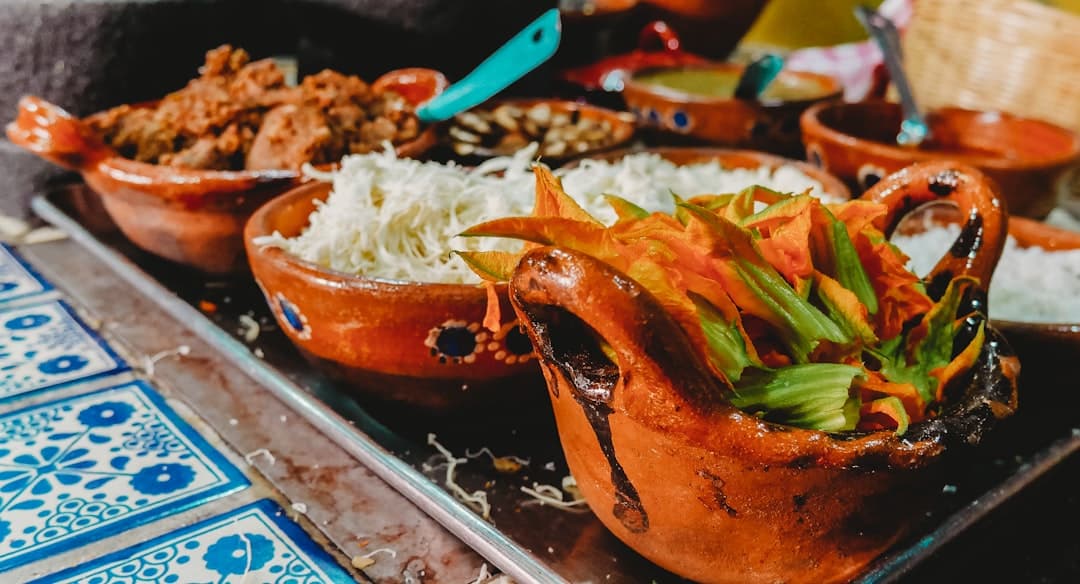
Puerto Rico's culinary identity is rooted in a layered history. The island's cooking draws from three foundational traditions: the indigenous Taíno people, who cultivated staples such as yuca, corn, and sweet potato; West African culinary practices brought through the transatlantic slave trade; and Spanish colonial influence, which introduced rice, pork, and a range of spices. The result is a cuisine built on sofrito, adobo, and slow-cooked proteins — techniques that have persisted for generations.
A New Generation of Chefs
In recent decades, a wave of Puerto Rican chefs — many trained abroad or in major culinary centers — has returned to the island with a mandate to reinterpret these traditional foundations. This movement, sometimes referred to as nueva cocina puertorriqueña, applies modern culinary techniques such as fermentation, dehydration, and refined plating to familiar local ingredients. Plantains, breadfruit, recao, and ají caballero appear in new formats without losing their cultural grounding.
Local Ingredients at the Center
A parallel shift toward locally sourced ingredients has reinforced this culinary evolution. Farmers' markets, small-scale agriculture cooperatives, and a growing interest in food sovereignty have encouraged chefs to prioritize produce grown on the island. This approach aligns Puerto Rican cuisine with broader global movements around sustainability and farm-to-table cooking.
International Recognition
Puerto Rican restaurants and chefs have gained measurably greater visibility in international food media and culinary award circuits. The island's dining scene, particularly in San Juan's Santurce and Condado districts, has attracted food tourism from across Latin America, North America, and Europe. This recognition has helped position Puerto Rico as a culinary destination distinct from its Caribbean neighbors.
Cultural Stakes
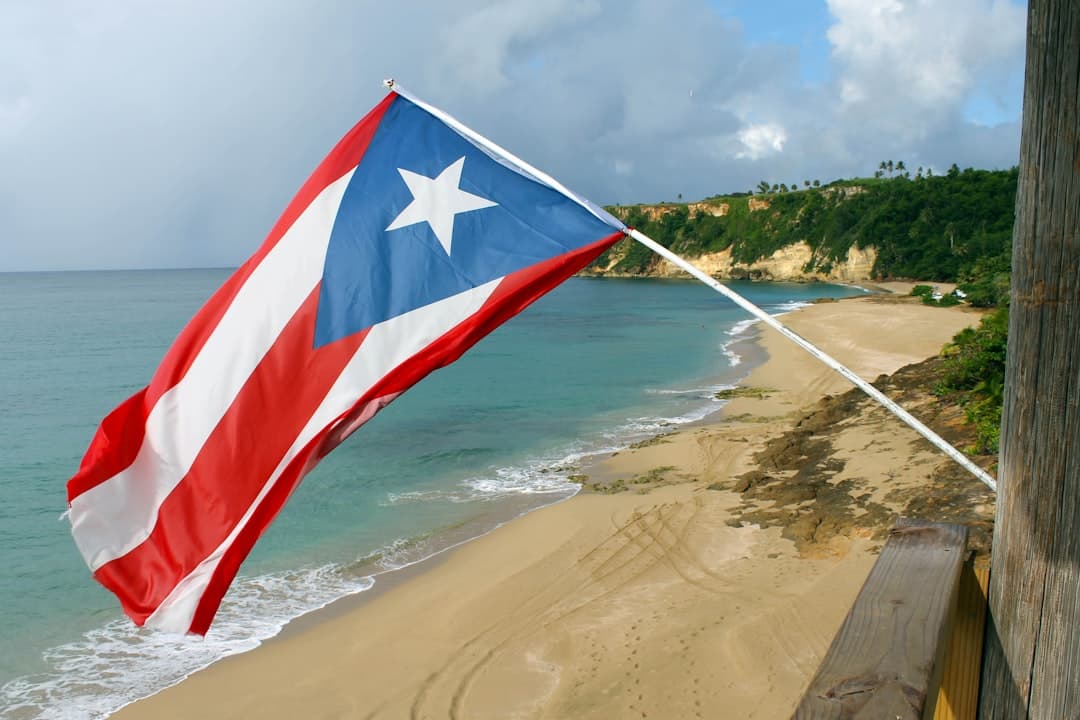
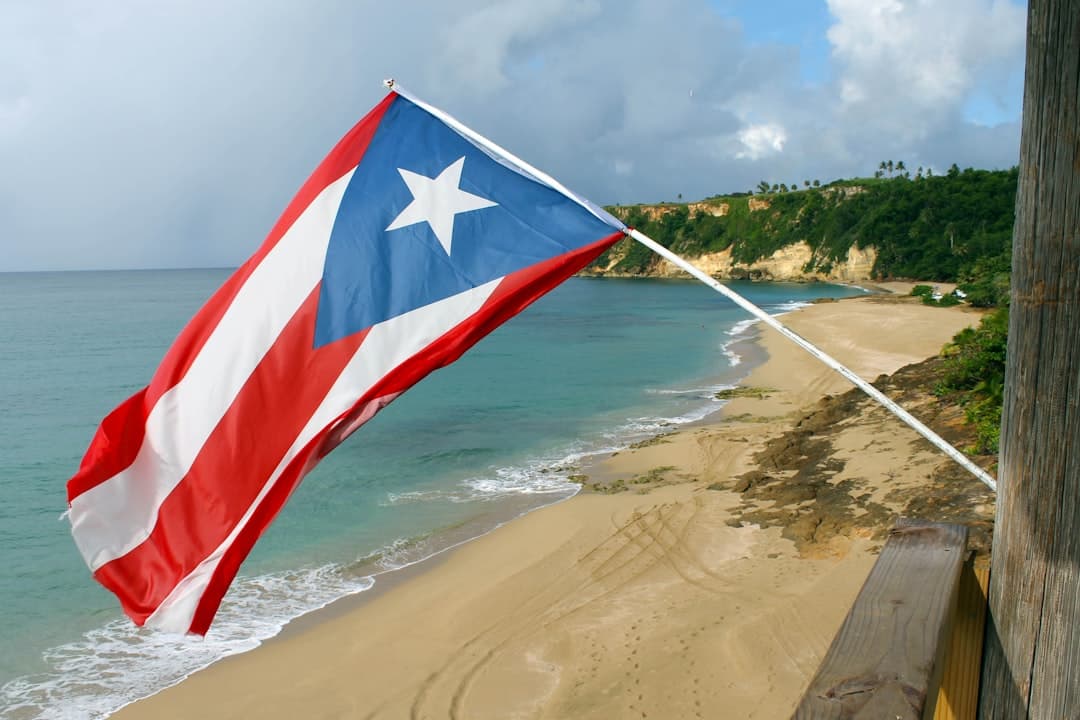
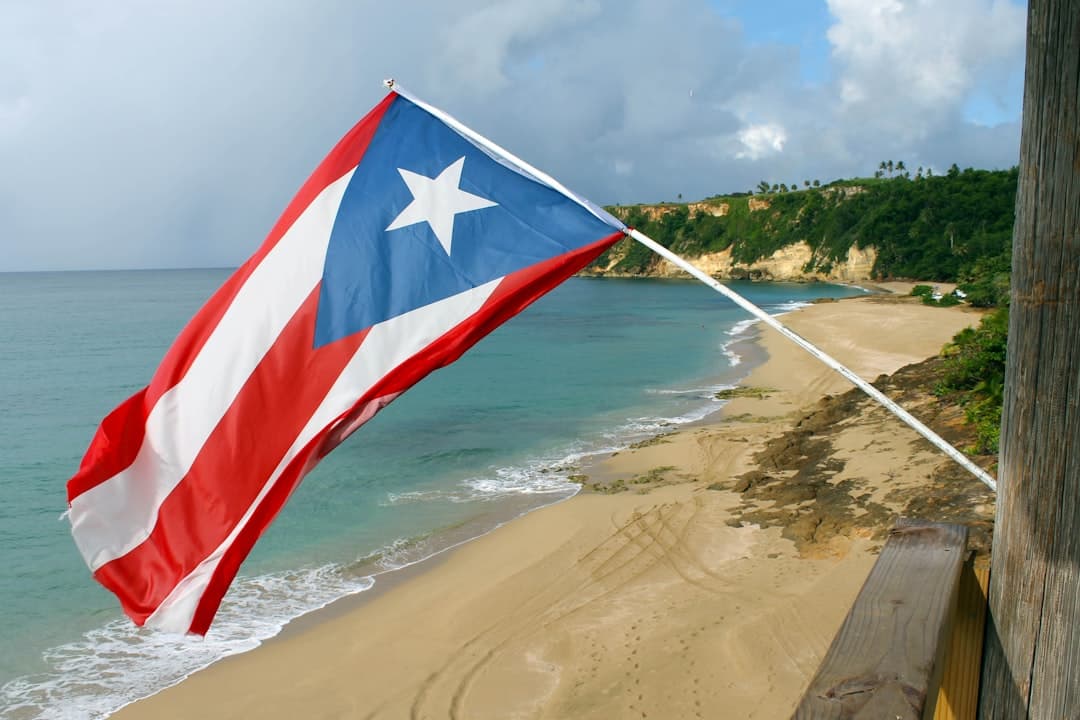
For many practitioners, the modernization of Puerto Rican cuisine carries cultural weight beyond gastronomy. Food has historically functioned as a vehicle for identity on the island, particularly given Puerto Rico's complex political relationship with the United States. Chefs and food scholars have framed the culinary revival as an act of cultural assertion, rooted in pride for the island's diverse heritage.
Remaining Questions
Whether the modernization movement will reach beyond urban restaurant culture into everyday Puerto Rican households remains an open question. The role of diaspora communities — particularly in New York and Florida — in shaping or diverging from island-based culinary trends also warrants continued observation.
Sources: Smithsonian Magazine, Food & Wine, The New York Times Food Section, Puerto Rico Tourism Company, Oxford Companion to Food.
This article was prepared using multiple verified sources and editorial research. The content was reviewed, fact-checked and approved by our editorial team prior to publication.