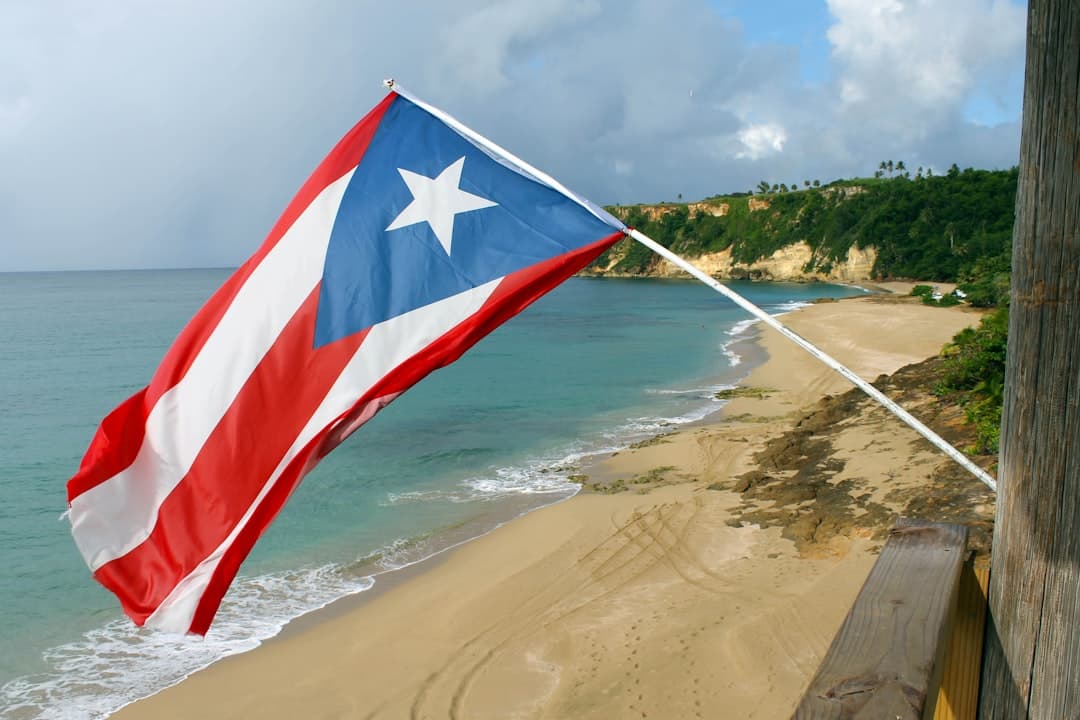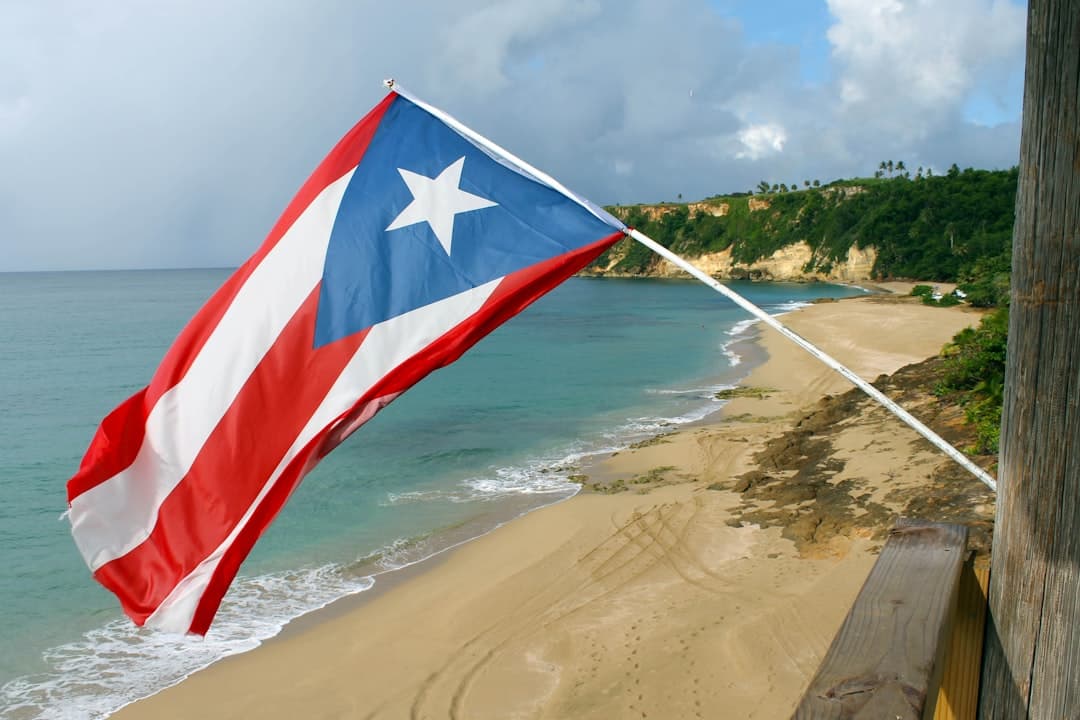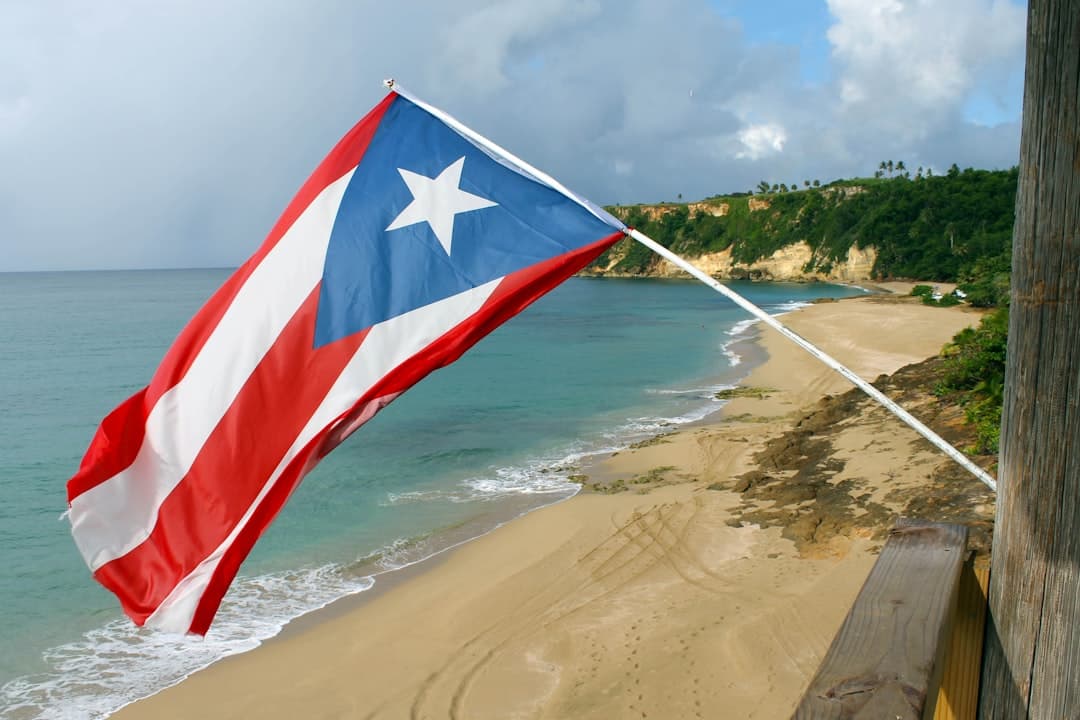
Puerto Rico's position as an island territory in the northeastern Caribbean gives it direct access to some of the Atlantic's most productive fishing waters, a geographic advantage that has shaped its food culture for centuries. Seafood restaurants across the island reflect this heritage, drawing on locally sourced ingredients and long-established cooking traditions.
A Coastal Culture on the Plate
The town of La Parguera, on the island's southwestern coast, along with Luquillo, on the northeastern shore, are among the most recognized destinations for seafood dining. Luquillo's beachfront kiosk strip — known locally as "Las Kioscos" — has operated for decades, offering fried fish, crab fritters, and fresh ceviche to both locals and visitors. These informal open-air food stands represent a distinctly Puerto Rican dining format found throughout the island's coastal municipalities.
Common Dishes and Regional Variations
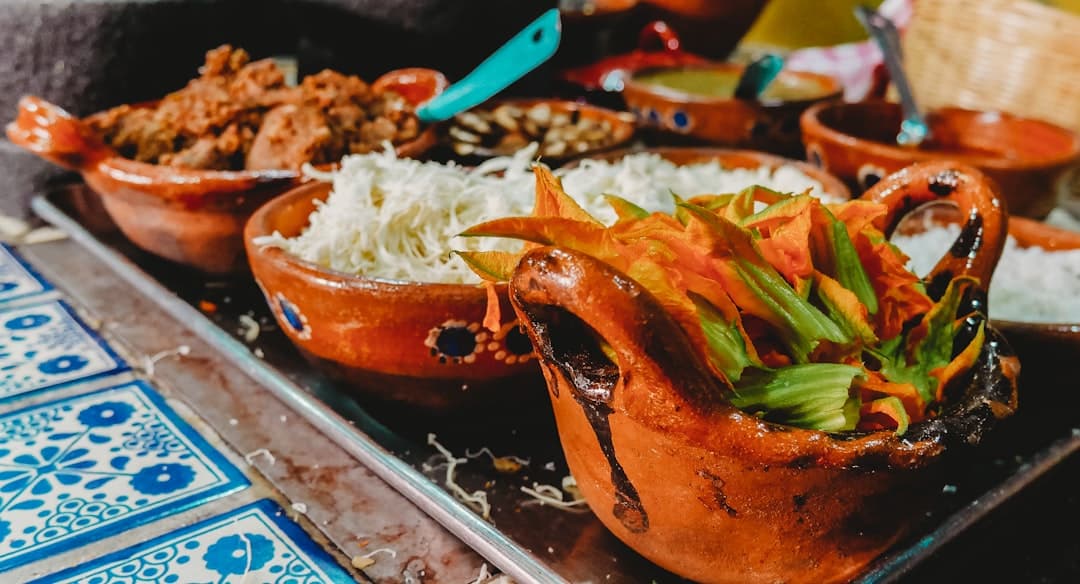
Staple dishes served across Puerto Rican seafood restaurants include mofongo relleno de mariscos — the island's signature mashed plantain dish filled with shrimp, lobster, or mixed shellfish — as well as whole fried red snapper, conch fritters, and seafood rice preparations locally called arroz con mariscos. Regional variations exist between the eastern and western coasts, with western towns such as Cabo Rojo known for their proximity to salt flats and distinctive local catches.
Tourism and Economic Role
Seafood dining forms a significant component of Puerto Rico's tourism economy. The island's restaurant sector has been recognized by culinary organizations and travel publications as one of the Caribbean's most dynamic, with seafood establishments contributing meaningfully to that reputation. San Juan's Condado and Miramar neighborhoods host a concentration of upscale seafood restaurants that have gained regional and international recognition.
Sustainability Considerations
Local fishing communities face ongoing challenges related to marine resource management, coral reef degradation, and climate-related shifts in fish populations. These pressures have prompted discussions among fishermen's associations and government agencies about sustainable sourcing practices, though the regulatory landscape continues to evolve.
Remaining Questions
How are Puerto Rican seafood restaurants adapting menus in response to changing fish stock availability? What role do diaspora communities on the U.S. mainland play in promoting Puerto Rican seafood cuisine beyond the island?
Sources: Puerto Rico Tourism Company (gotopuertorico.com); Discover Puerto Rico (discoverpuertorico.com); NOAA Fisheries — Caribbean Regional Office; Condé Nast Traveler Caribbean dining coverage.
This article was prepared using multiple verified sources and editorial research. The content was reviewed, fact-checked and approved by our editorial team prior to publication.