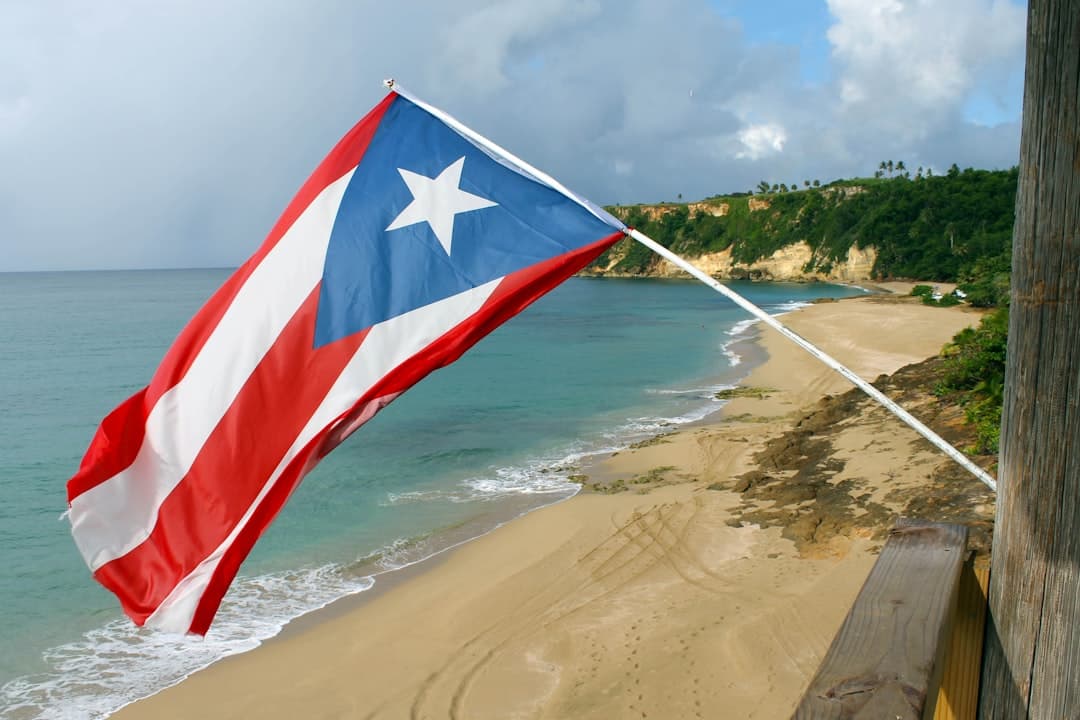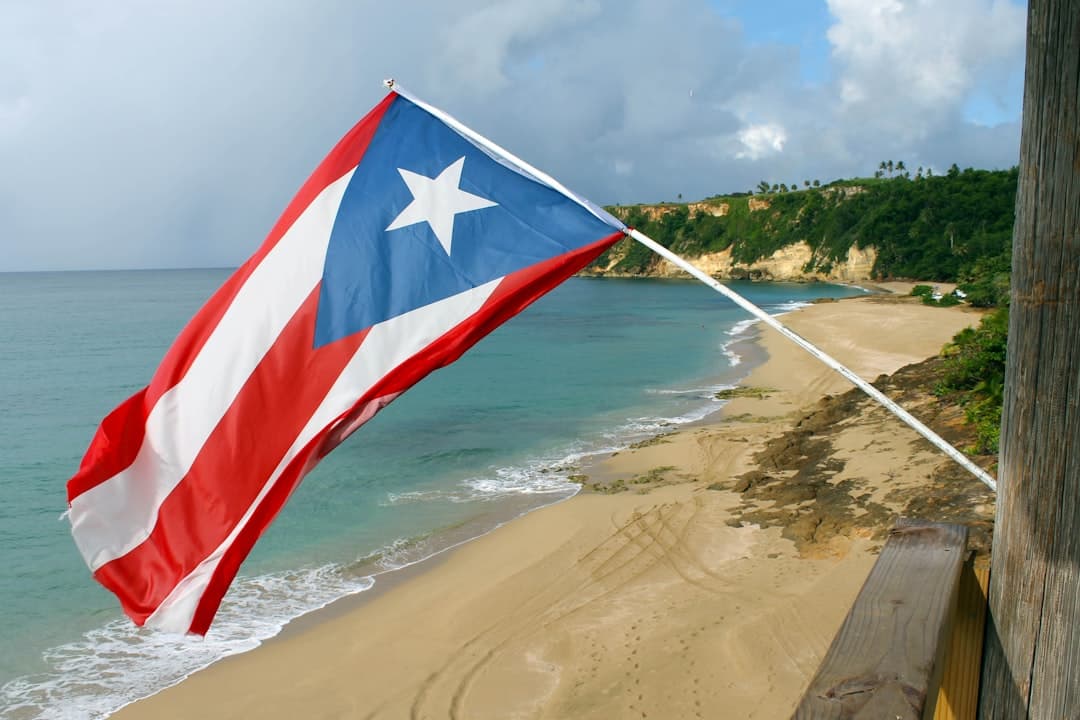
Puerto Rico, the Caribbean island territory of the United States, has built a reputation not only for its beaches and colonial architecture but also for a food culture that reflects centuries of Taíno, Spanish, and African influence. Culinary tourism on the island has grown into a structured industry, with guided tours operating across San Juan, Ponce, and rural municipalities alike.
A Food Culture Rooted in History
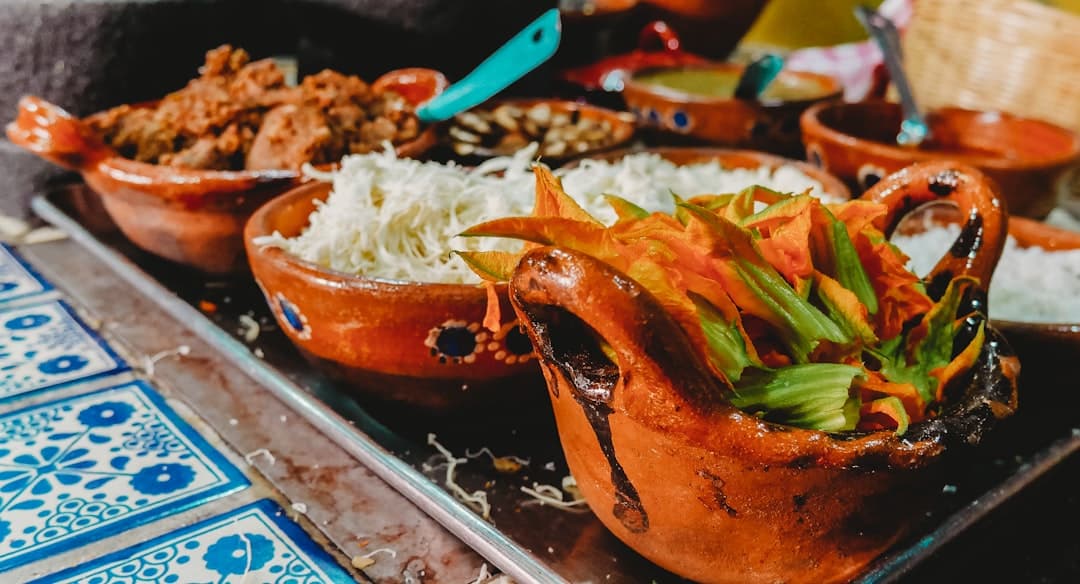
Puerto Rican cuisine — known locally as cocina criolla — centers on staples such as plantains, rice, beans, sofrito, and slow-cooked meats. These ingredients trace directly to the island's indigenous and colonial past. Culinary tours typically frame dishes within this historical context, giving participants a lens through which to understand broader Caribbean and Latin American food traditions.
Old San Juan serves as a common starting point for many tour operators. The neighborhood's centuries-old streets contain a concentration of traditional bakeries, rum distilleries, and restaurants serving traditional preparations alongside modern reinterpretations. The Puerto Rico Tourism Company has historically promoted food experiences as a pillar of the island's visitor economy.
Regional Variation Across the Island
Tours extend well beyond the capital. The mountainous central region, particularly around towns such as Jayuya and Maricao, is associated with coffee cultivation and features farms that welcome visitors. The southwestern coast around Cabo Rojo is known for seafood and salt flats, while the northeastern town of Loíza preserves some of the island's strongest African culinary traditions, including coconut-based sweets and fritters.
Street food markets and local festivals, including the annual Fiestas de la Calle San Sebastián, also function as informal culinary tourism events, drawing both local residents and international visitors to traditional food vendors.
Infrastructure and Accessibility
Several tour operators offer half-day and full-day itineraries that combine food tastings with cultural and historical stops. Services are available in English and Spanish, and many operators cater to dietary restrictions. Puerto Rico's status as a U.S. territory means no passport is required for U.S. citizens, which contributes to its accessibility as a culinary destination within the broader Latin American and Caribbean region.
Remaining Questions
How have recent hurricanes and economic pressures shaped the long-term sustainability of small, family-run culinary tour businesses? What role do indigenous Taíno culinary traditions play in contemporary tour narratives, and how accurately are they represented?
Sources: Puerto Rico Tourism Company (discoverpuertorico.com); Smithsonian Institution — Caribbean food history archives; U.S. Department of the Interior — Puerto Rico territorial status documentation; National Geographic Travel — Puerto Rico culinary features.
This article was prepared using multiple verified sources and editorial research. The content was reviewed, fact-checked and approved by our editorial team prior to publication.