Sun, Sand, and Prestige: A Guide to the Beaches of Punta del Este
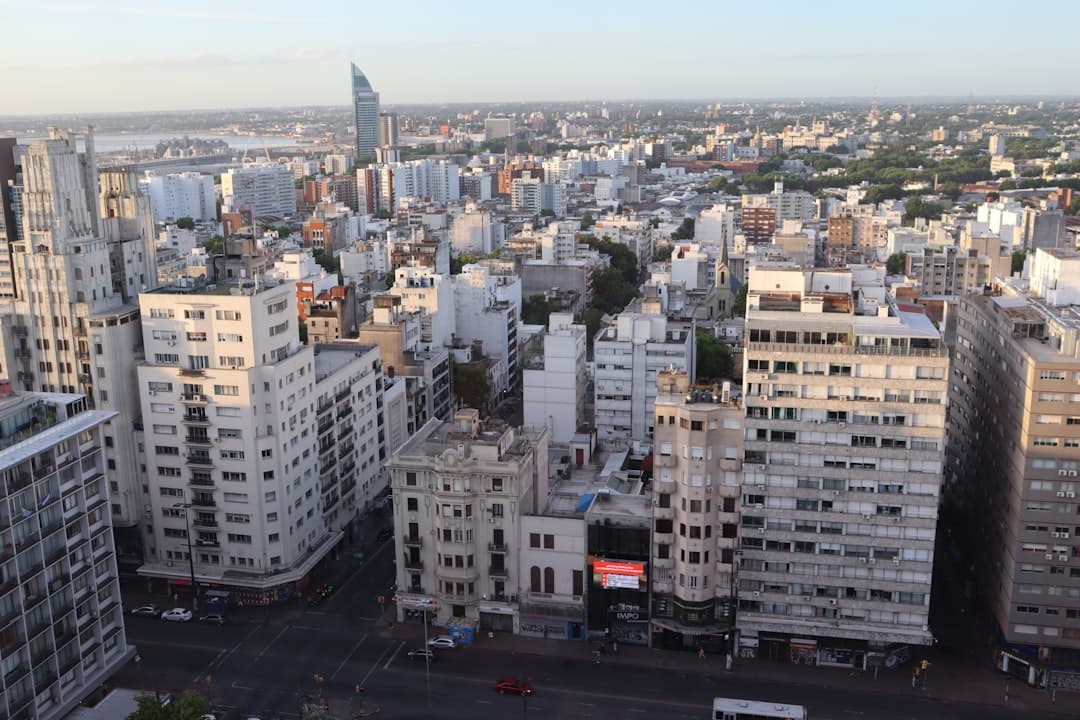
Punta del Este, located on a narrow peninsula in the Maldonado Department of Uruguay, sits at the confluence of the Río de la Plata and the Atlantic Ocean. This geographic position gives the city two distinctly different coastlines — a calmer western bay side and a rougher, wave-exposed eastern front — making it one of the most varied beach destinations in South America.
The Two Coasts
The western shore, facing the Río de la Plata, is commonly known as La Mansa — "the calm one." Its sheltered waters and gentle surf make it a preferred choice for families with children and those seeking relaxed swimming conditions. The eastern shore, facing the open Atlantic, is called La Brava — "the fierce one." Stronger waves and consistent swells attract surfers and water sports enthusiasts throughout the warmer months.
Notable Beaches Along the Strip
Playa de los Ingleses and Playa El Emir are among the beaches found on the calmer Mansa side, close to the city center. Moving eastward along the Brava coastline, Playa Brava itself sits near the iconic La Mano sculpture — formally titled Hombre Emergiendo a la Vida — created by Chilean artist Mario Irarrázabal, which has become one of Uruguay's most recognized landmarks.
Further east along Ruta Interbalnearia, the beaches of Playa Bikini, Playa Portezuelo, and the stretches near José Ignacio extend the coastal corridor well beyond the city limits. José Ignacio, a small village roughly 35 kilometers from Punta del Este, has developed a reputation as an upscale, low-density retreat attracting regional and international visitors.
Infrastructure and Access
The beaches are serviced by a network of paradas — numbered access points along the shore — which also serve as informal landmarks for navigation along the coast. Seasonal services, including lifeguard stations, beach bar concessions, and water sports rentals, operate primarily during the Southern Hemisphere summer, from December through March.
Punta del Este's beaches fall under the jurisdiction of the Intendencia of Maldonado, which oversees coastal maintenance, environmental monitoring, and public access infrastructure.
Remaining Questions
Ongoing coastal erosion patterns and the long-term environmental impact of high seasonal tourism density on the Punta del Este shoreline remain subjects of study by Uruguayan environmental authorities.
Sources: Intendencia de Maldonado, Ministerio de Turismo del Uruguay, Museo Municipal de Arte de Maldonado (La Mano sculpture records), general geographic and cartographic references.
This article was prepared using multiple verified sources and editorial research. The content was reviewed, fact-checked and approved by our editorial team prior to publication.