Cabo Polonio National Park sits along the southeastern Atlantic coast of Uruguay, in the department of Rocha, roughly between the towns of Valizas and Aguas Dulces. Declared a national park in 2009, the protected area encompasses coastal dunes, wetlands, native scrubland, and a rocky headland that juts into the South Atlantic Ocean.
A Landscape Defined by Sand and Sea
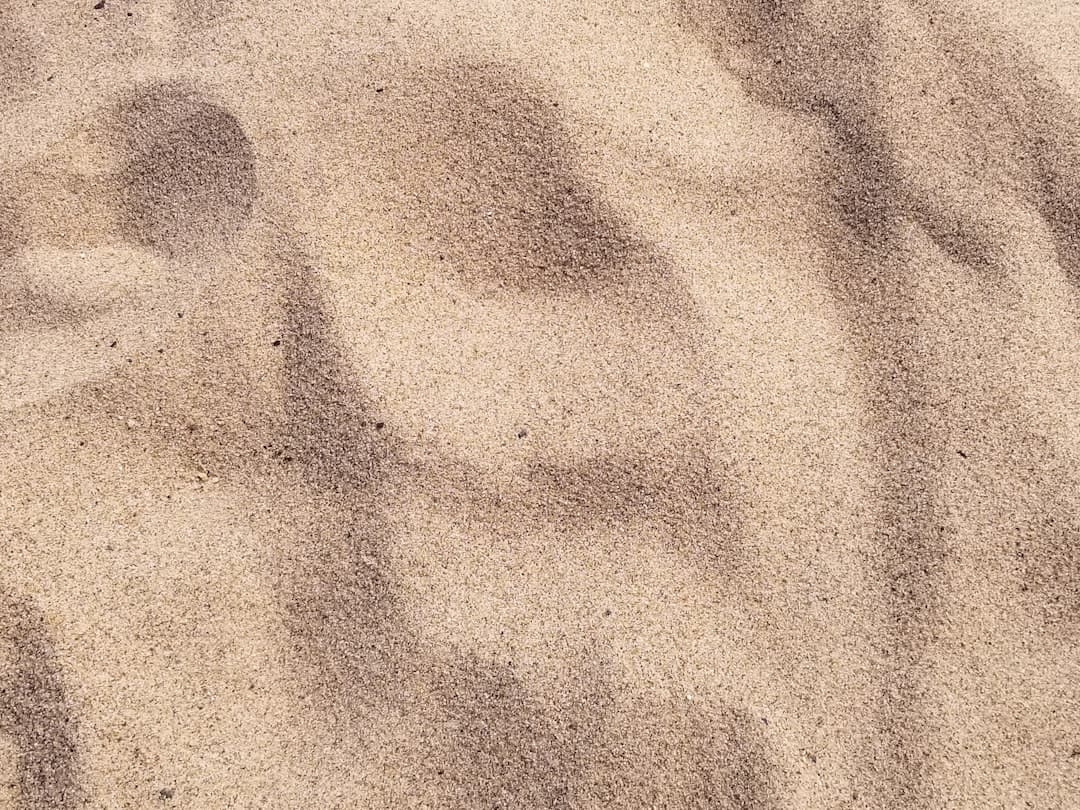
The park's terrain is dominated by one of the largest mobile dune systems in South America, which shifts continuously under prevailing Atlantic winds. The coastline includes sandy beaches, rocky outcroppings, and a historic lighthouse — the Faro de Cabo Polonio — that has guided maritime traffic along this stretch of coast for well over a century. The surrounding waters support a significant colony of South American sea lions (Otaria flavescens), which haul out on the rocks near the lighthouse and represent one of the park's most visible wildlife attractions.
Off the Grid by Design
Cabo Polonio is notable for the small, semi-permanent community that exists within its boundaries. Residents and seasonal visitors live without mains electricity or running water, relying on solar panels, wind power, and collected rainwater. Access to the settlement is restricted: private vehicles are prohibited beyond designated parking areas, and visitors must use authorized four-wheel-drive transport services to cross the dunes into the park.
Ecological and Conservation Value
The park falls within Uruguay's broader Sistema Nacional de Áreas Protegidas (SNAP), the national system of protected areas administered by the Ministry of Environment. The Rocha department, where Cabo Polonio is located, contains several overlapping conservation zones along the coast, reflecting the ecological sensitivity of the region. Birdlife is diverse, with migratory and resident species using the wetlands and coastal scrub throughout the year.
Tourism to the park has grown substantially since its formal protection status was established, placing pressure on park managers to balance visitor access with conservation objectives.
Remaining Questions
The long-term coexistence of the resident community and conservation mandates within the park boundaries remains an open question for Uruguayan environmental authorities. The effects of accelerating coastal erosion and dune migration on both the settlement and the broader ecosystem have yet to be fully assessed.
Sources: Uruguay Ministry of Environment (MVOTMA), Sistema Nacional de Áreas Protegidas (SNAP), UNESCO coastal zone documentation, general geographic and ecological references.
This article was prepared using multiple verified sources and editorial research. The content was reviewed, fact-checked and approved by our editorial team prior to publication.