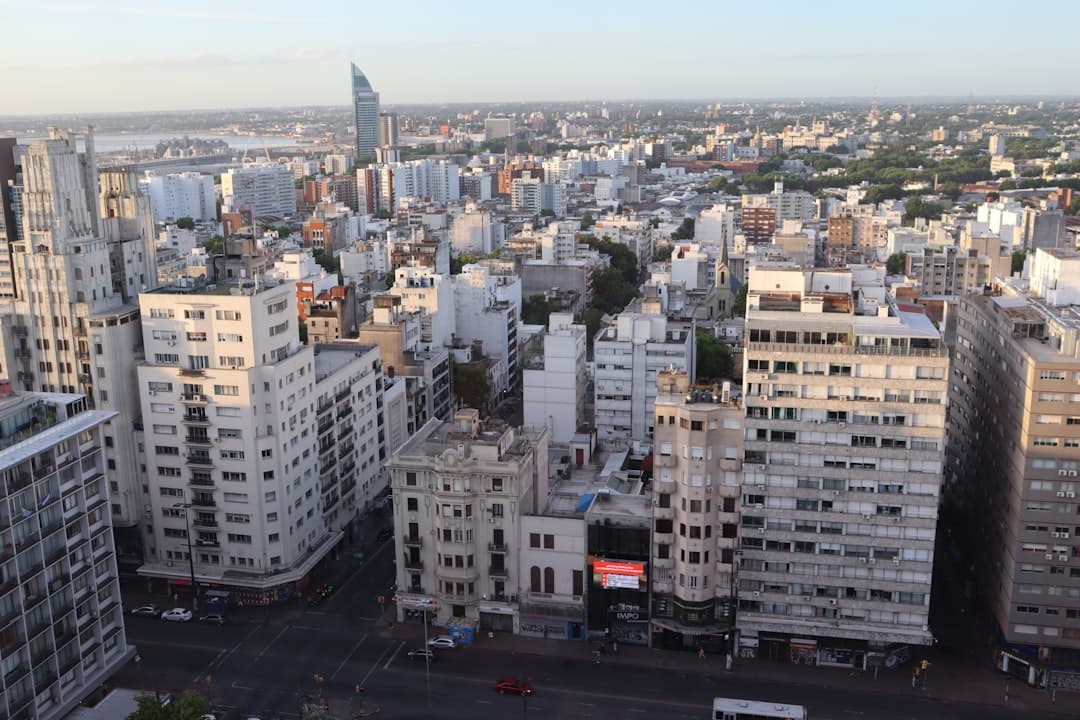
While Argentina has long dominated the global narrative around tango, Uruguay holds a firmly documented and legally recognized stake in the dance's origins. The Río de la Plata region, straddling both nations, is acknowledged as the birthplace of one of the world's most celebrated musical and dance traditions.
A Shared UNESCO Recognition
In 2009, UNESCO inscribed tango on its Representative List of the Intangible Cultural Heritage of Humanity. The inscription was filed jointly by Argentina and Uruguay, formally recognizing that the genre emerged from the cultural confluence of both countries' port cities — Buenos Aires and Montevideo — during the late nineteenth century.
Montevideo's working-class neighborhoods, particularly the Barrio Sur and Palermo districts, are historically linked to the early development of tango's musical and choreographic vocabulary. These areas were home to Afro-Uruguayan communities whose candombe rhythms are widely regarded by ethnomusicologists as one of the foundational influences on the genre's distinctive syncopation.
Homegrown Figures and Distinct Traditions
Uruguay produced several figures of significance in the tango world. Composer Gerardo Matos Rodríguez wrote "La Cumparsita" in Montevideo in 1916, a piece that became one of the most recognized tango compositions worldwide. The song's Uruguayan authorship is frequently cited as a point of national cultural pride.
Uruguayan tango also developed stylistic characteristics that distinguish it, at least partially, from its Argentine counterpart. Scholars of Latin American music have documented subtle differences in phrasing, orchestration, and dance posture that reflect each country's distinct urban culture and immigrant demographics.
Preservation Efforts in Montevideo
Cultural institutions in Montevideo have worked to maintain tango as a living tradition rather than a museum artifact. The city's annual tango festivals draw participants from across the region, and dedicated academies continue to train new generations of dancers and musicians in both classic and contemporary styles.
Tango remains embedded in Uruguayan public life, appearing in municipal cultural programming, school curricula, and community events throughout the country.
Remaining Questions
How the two countries will coordinate long-term preservation strategies under their joint UNESCO designation, and whether future generations of Uruguayan artists will develop tango in directions distinct from the Argentine tradition, remain open areas of cultural evolution.
Sources: UNESCO Intangible Cultural Heritage List (2009); Library of Congress — Hispanic Division cultural records; Smithsonian Folkways ethnomusicology archives; general academic literature on Río de la Plata musical history.
This article was prepared using multiple verified sources and editorial research. The content was reviewed, fact-checked and approved by our editorial team prior to publication.