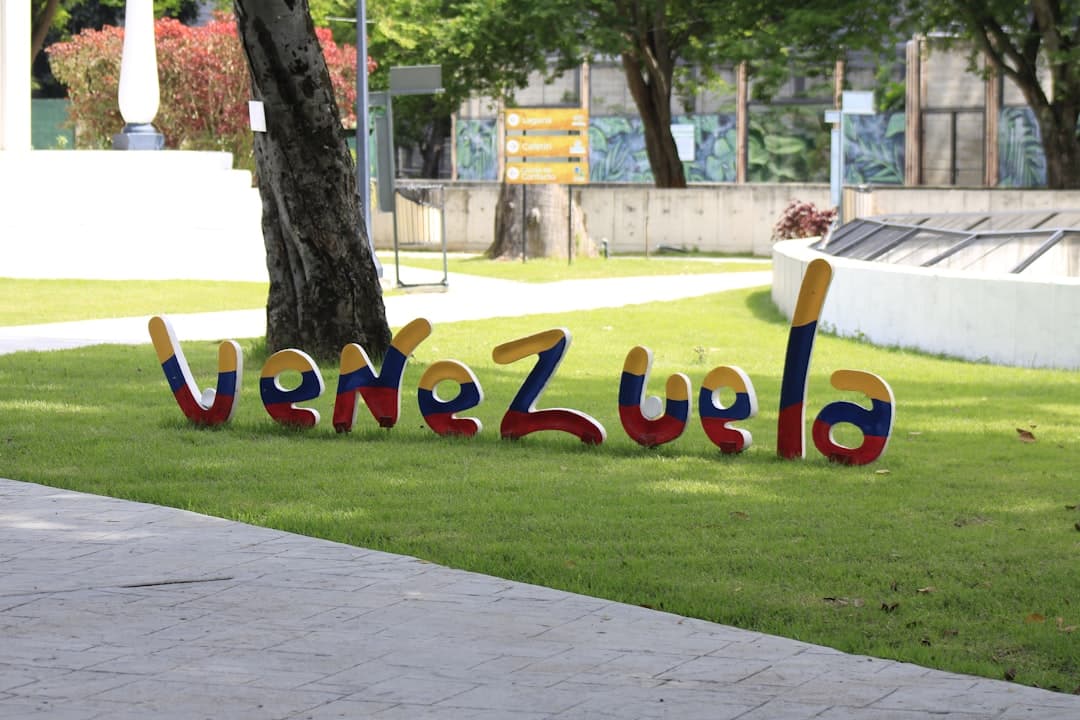
Venezuela's cultural landscape is the product of centuries of contact between peoples who arrived — or were forcibly brought — to the northern coast of South America. The resulting national identity does not trace to a single origin but reflects a continuous process of blending and negotiation among distinct traditions.
Indigenous Foundations
Long before European contact, the territory now known as Venezuela was inhabited by a broad range of indigenous groups, including the Wayuu, Pemón, Yanomami, and dozens of others. These communities developed languages, agricultural systems, and spiritual practices that persisted through colonization and continue to survive in various forms. Indigenous words have been absorbed into Venezuelan Spanish, and traditional knowledge systems remain active in many rural and border regions.
Colonial and European Influence
Spanish colonization beginning in the late 15th century introduced the Castilian language, Roman Catholic religious institutions, and European architectural and legal frameworks. Immigration from Spain, Portugal, Italy, and other European nations continued well into the 20th century, adding further layers to the cultural fabric. Caracas and other urban centers reflect this European architectural and intellectual influence in their historic districts.
African Heritage
The transatlantic slave trade brought a significant African population to Venezuela, particularly to coastal and agricultural zones. African cultural contributions are most visible in music — specifically in genres such as the tambor drumming traditions of the Miranda and Aragua states — as well as in religious syncretism, culinary practices, and oral storytelling traditions.
A Living Synthesis
Venezuelan cultural expressions such as the joropo, the national dance and music form recognized by UNESCO, synthesize these multiple inheritances. The llanero traditions of the Orinoco plains region similarly blend indigenous, Spanish, and African elements. Carnival celebrations, religious festivals, and everyday cuisine each carry traces of this layered history, making Venezuelan culture a sustained example of cultural synthesis rather than a fixed or singular heritage.
Open Questions
How the ongoing emigration of millions of Venezuelans in recent years will reshape cultural identity — both within the country and across the diaspora — remains a subject of active study among anthropologists and sociologists.
Sources: UNESCO Intangible Cultural Heritage Registry; Encyclopædia Britannica — Venezuela; Smithsonian Institution Latin American cultural archives; Academic publications on Afro-Venezuelan history and tambor traditions.
This article was compiled with the support of advanced research technology, based on multiple verified sources, and reviewed by our editorial team.