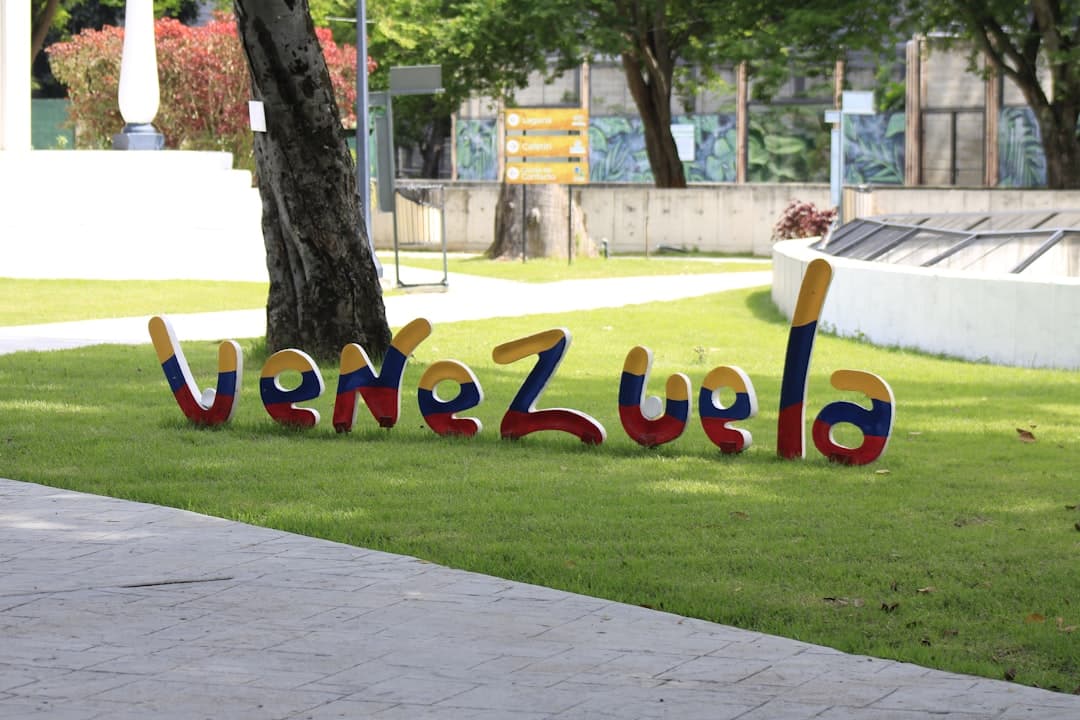
Venezuela's cultural life is anchored by a series of festivals and traditions that draw from multiple historical layers — pre-Columbian indigenous practices, the legacy of African enslavement, and centuries of Spanish Catholic influence. These celebrations are not museum pieces; they are living events practiced across regions, generations, and social classes.
Devils, Saints, and the Drums of the Coast
Among the most internationally recognized Venezuelan traditions is the Dance of the Diablos Danzantes, or Dancing Devils of Corpus Christi. Observed in several towns including San Francisco de Yare in Miranda state, participants don elaborate red devil masks and costumes to symbolize the submission of evil before the Eucharist. UNESCO recognized this tradition as Intangible Cultural Heritage of Humanity, underscoring its significance beyond national borders.
Along Venezuela's central coast, the Feast of San Juan Bautista — celebrated each June — brings communities of African descent together around the drum, known locally as the tambor. The festivities blend Catholic veneration of Saint John the Baptist with rhythms and ritual structures that trace directly to West African traditions brought during the colonial period. The celebration is particularly strong in coastal states such as Aragua, Miranda, and Vargas.
Carnival and the Eastern Traditions
Venezuela observes Carnival with considerable enthusiasm, particularly in the eastern city of El Callao, where Caribbean and Antillean immigrant influences have produced a distinctive Carnival style featuring calypso music, elaborate costumes, and the figure of the Madama — a character of French Antillean origin dressed in colorful colonial attire. El Callao's Carnival has also received UNESCO recognition.
Indigenous Festivals and Highland Customs
In the Andean region, festivals tied to agricultural cycles and Catholic saints' days blend seamlessly with indigenous Andean worldviews. The Wayuu people of the Guajira Peninsula maintain their own ceremonial calendar, including the Yonna dance, a traditional ritual performed at significant community moments.
Across Venezuela's diverse geography — from the Llanos grasslands to the Amazon basin — regional festivals serve as primary vehicles for transmitting language, music, craft, and communal memory from one generation to the next.
Open Questions
Researchers continue to examine how economic pressures and emigration patterns over the past decade have affected the transmission and sustainability of these traditions within Venezuela and among diaspora communities abroad.
Sources: UNESCO Intangible Cultural Heritage Lists; Biblioteca Nacional de Venezuela cultural records; Fundación Bigott documentation of Venezuelan folk traditions.
This article was compiled with the support of advanced research technology, based on multiple verified sources, and reviewed by our editorial team.