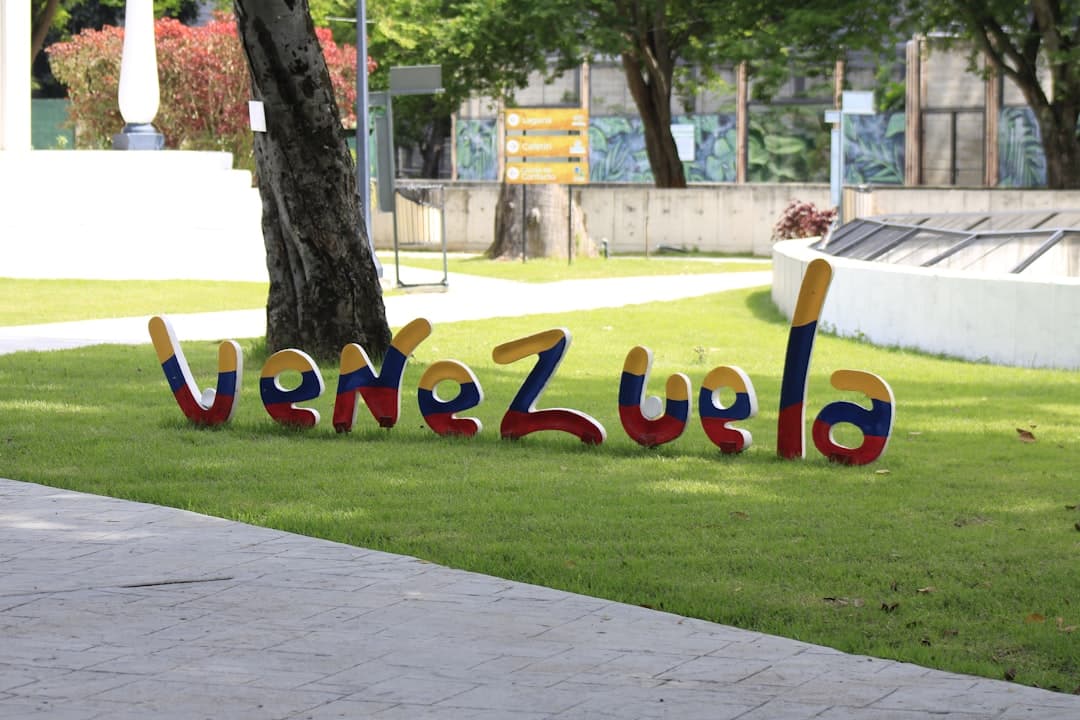
Venezuela's cultural identity draws from a layered history that brought together Indigenous peoples, African communities, and Spanish colonial settlers over centuries. This convergence produced a distinct set of traditions, artistic expressions, and social customs that vary significantly across the country's regions, from the Andean highlands to the Llanos plains and the Caribbean coastline.
Music and Dance as Living Traditions
Among the most recognized expressions of Venezuelan culture is the joropo, a musical and dance tradition associated with the vast Llanos region. Characterized by the harp, cuatro — a small four-stringed guitar — and maracas, joropo was designated by UNESCO as an Intangible Cultural Heritage of Humanity. The tradition remains deeply embedded in rural communities and is performed at festivals and cultural gatherings throughout the country.
Indigenous Heritage and Craft Traditions
Venezuela is home to dozens of Indigenous communities, including the Wayuu, Yanomami, and Pemón peoples, each maintaining distinct languages, cosmologies, and artisan practices. Handwoven textiles, ceramic work, and basket weaving represent both functional craftsmanship and cultural memory. These crafts have gained international recognition and are featured in cultural institutions and markets across Latin America.
Carnival and Regional Festivals
Carnival celebrations in cities such as El Callao, located in Bolívar state, blend African-Caribbean musical traditions with local customs. The El Callao Carnival has also received UNESCO recognition for its cultural significance, particularly for its preservation of calypso music traditions introduced by Caribbean migrants during the 19th-century gold rush era.
Culinary Identity
Venezuelan cuisine reflects its multicultural roots through staple dishes such as arepas, pabellón criollo, and hallacas — a corn dough dish filled with stewed meat and wrapped in plantain leaves, traditionally prepared during the Christmas season. These foods carry regional variations and hold strong ties to family and communal identity.
Open Questions
How are cultural preservation programs being sustained amid Venezuela's ongoing economic pressures? To what extent are diaspora communities abroad contributing to the continuity of traditional practices?
Sources: UNESCO Intangible Cultural Heritage Lists; Smithsonian Institution Latin American cultural records; Venezuelan Institute of Cultural Heritage (IPC) public documentation.
This article was compiled with the support of advanced research technology, based on multiple verified sources, and reviewed by our editorial team.