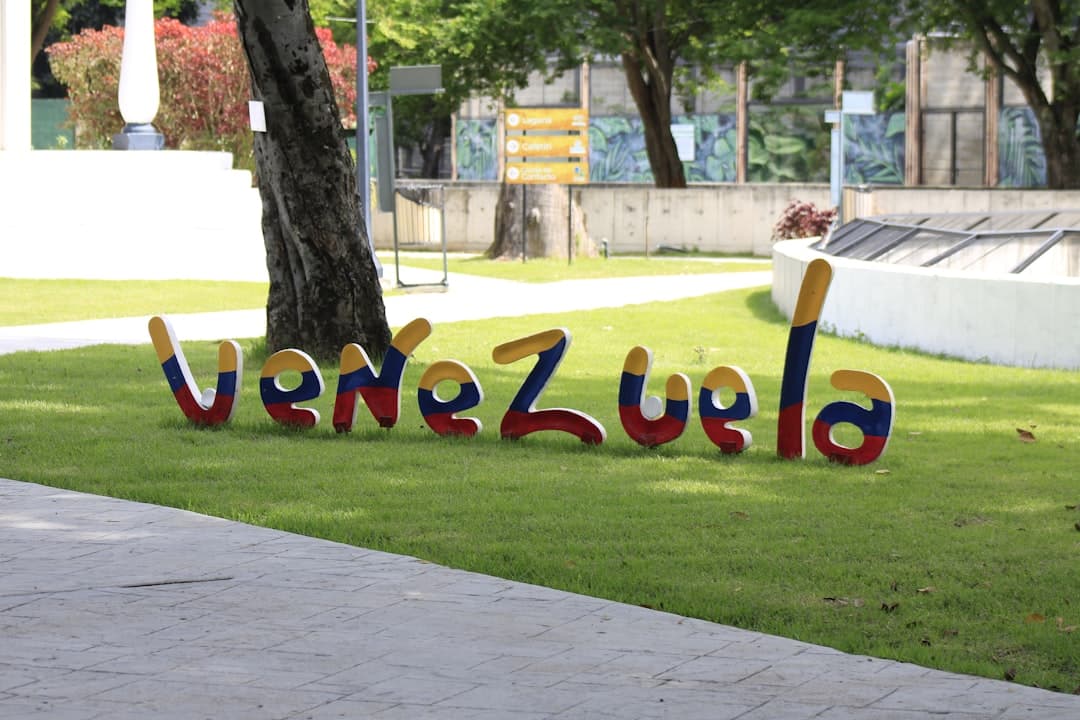
Venezuela's cultural heritage draws from three primary roots: the indigenous peoples who inhabited the territory long before European contact, the Spanish colonial presence that began in the late 15th century, and the African populations brought to the region during the era of the transatlantic slave trade. The blending of these traditions produced a distinctive national culture that varies considerably by geography and community.
Music as a National Identity
The joropo is widely recognized as Venezuela's national music and dance form. Originating in the vast plains region known as the Llanos, it features the arpa llanera (plains harp), the cuatro — a small four-stringed guitar — and maracas. The style is characterized by rapid rhythmic patterns and improvised vocal lines. UNESCO recognized the joropo's cultural significance when it inscribed related llanero traditions on its Representative List of Intangible Cultural Heritage.
Along Venezuela's Caribbean coast, Afro-Venezuelan musical traditions remain prominent. Genres such as tambor and fulía preserve drumming practices tied directly to African heritage and are frequently performed during religious and community celebrations.
Dance and Ceremony
Regional dances in Venezuela often carry ceremonial dimensions. The Diablos Danzantes de Yare, performed in the town of San Francisco de Yare on Corpus Christi, involves elaborate devil masks and choreographed movements with deep Catholic and African syncretistic roots. This tradition also holds UNESCO intangible heritage status.
Colonial and Pre-Colonial History
Venezuela was home to numerous indigenous groups, including the Wayuu, Yanomami, and Pemón peoples, each with distinct languages and traditions that persist in various forms. Spanish colonization formally began with the founding of Cumaná in the early 16th century, making it one of the oldest continuously inhabited European-founded settlements in South America. The country declared independence from Spain in 1811, with Simón Bolívar emerging as a central figure in the broader Latin American independence movement.
Open Questions
How are younger generations in Venezuela engaging with traditional joropo music amid urbanization and digital media shifts? What efforts are underway to document and preserve the languages and ceremonial practices of indigenous communities facing demographic pressure?
Sources: UNESCO Intangible Cultural Heritage Lists; Encyclopædia Britannica — Venezuela; Library of Congress Country Studies — Venezuela; Smithsonian Folkways — Venezuelan Music Documentation
This article was compiled with the support of advanced research technology, based on multiple verified sources, and reviewed by our editorial team.