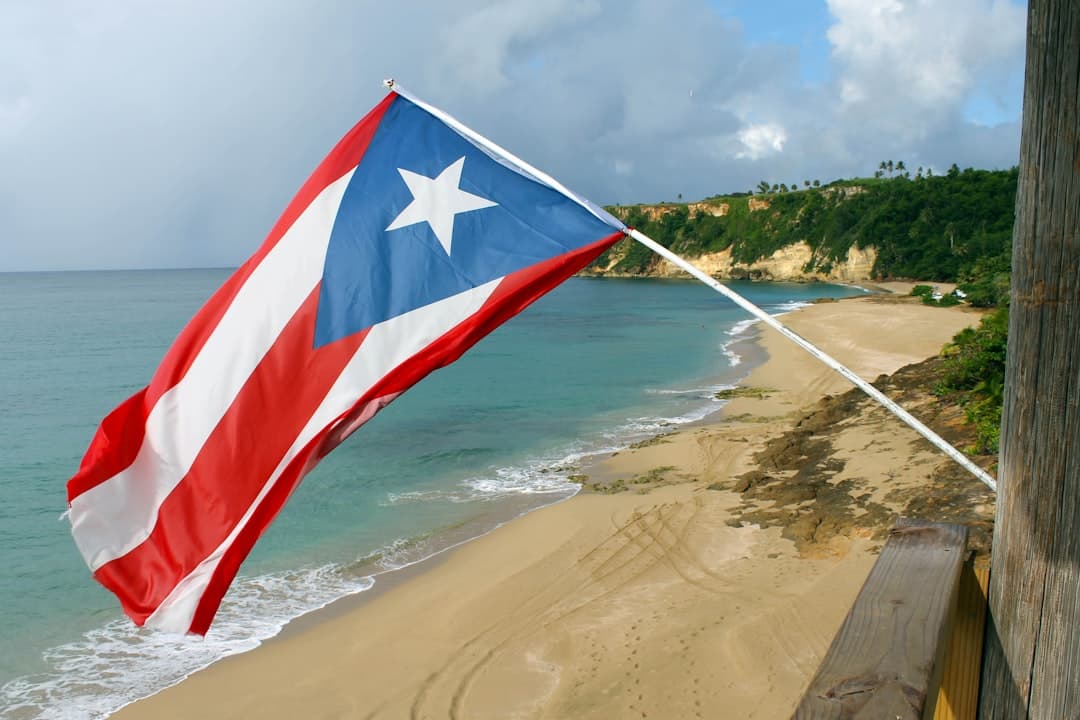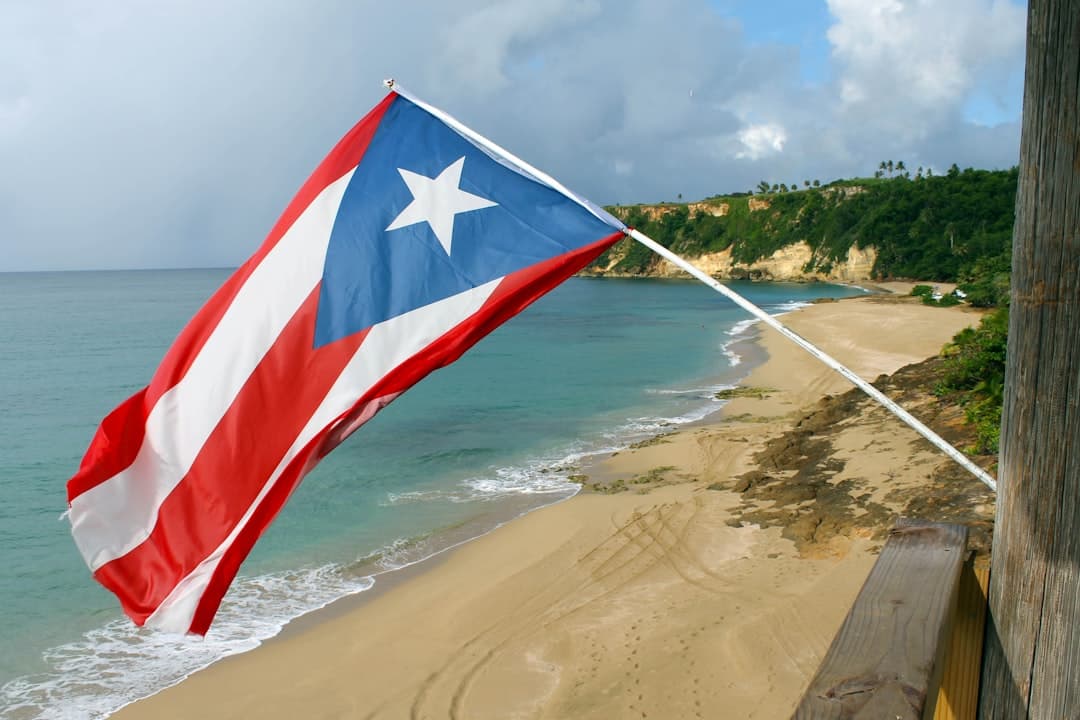
Puerto Rico's festival calendar reflects the layered heritage of an island shaped by Taíno, African, and Spanish influences over centuries. From religious processions to music-driven street celebrations, these events are deeply embedded in Puerto Rican civic and cultural identity.
Patron Saint Festivals: A Municipal Tradition
Each of Puerto Rico's 78 municipalities holds an annual Fiestas Patronales, or patron saint festival, typically lasting around ten days. These celebrations combine Catholic religious observances with folk music, traditional food, carnival rides, and artisan markets. The festivals vary in character from town to town, but nearly all feature bomba and plena — two musical genres recognized as pillars of Puerto Rican cultural expression.
Las Fiestas de la Calle San Sebastián
Held annually in the historic district of Old San Juan, the Fiestas de la Calle San Sebastián — commonly called SanSe — rank among the largest street festivals in the Caribbean. The event draws large crowds over several days of live music, folk art exhibitions, and traditional cuisine. Vejigante masked figures, costumed performers rooted in both Spanish and African carnival traditions, are among the festival's most recognized symbols.
The Casals Festival
Established in 1957 by cellist Pablo Casals, the Festival Casals is Puerto Rico's premier classical music event. Held in San Juan, it attracts internationally recognized orchestras and soloists. The festival helped position Puerto Rico as a destination for high culture within the broader Latin American and Caribbean region.
Carnival Ponceño
The city of Ponce hosts one of the most visually distinctive carnivals in the Caribbean. The Carnaval Ponceño is characterized by elaborately decorated vejigante masks made from papier-mâché, a craft tradition local artisans have maintained across generations. The carnival typically precedes Lent and draws participants and observers from across the island.
Cultural and Economic Significance
Puerto Rico's festival circuit contributes significantly to the local tourism economy and serves as a vehicle for preserving endangered folk traditions, including handcraft techniques, oral histories, and regional musical forms. Several of these traditions have received recognition from cultural preservation bodies at both the national and international level.
Remaining Questions
How are smaller municipal festivals funded amid ongoing fiscal constraints on the island? What mechanisms exist to formally document and transmit endangered folk traditions to younger generations?
Sources: Puerto Rico Tourism Company; Smithsonian Center for Folklife and Cultural Heritage; Library of Congress — Hispanic Division; Puerto Rico Institute of Culture (Instituto de Cultura Puertorriqueña).
This article was prepared using multiple verified sources and editorial research. The content was reviewed, fact-checked and approved by our editorial team prior to publication.