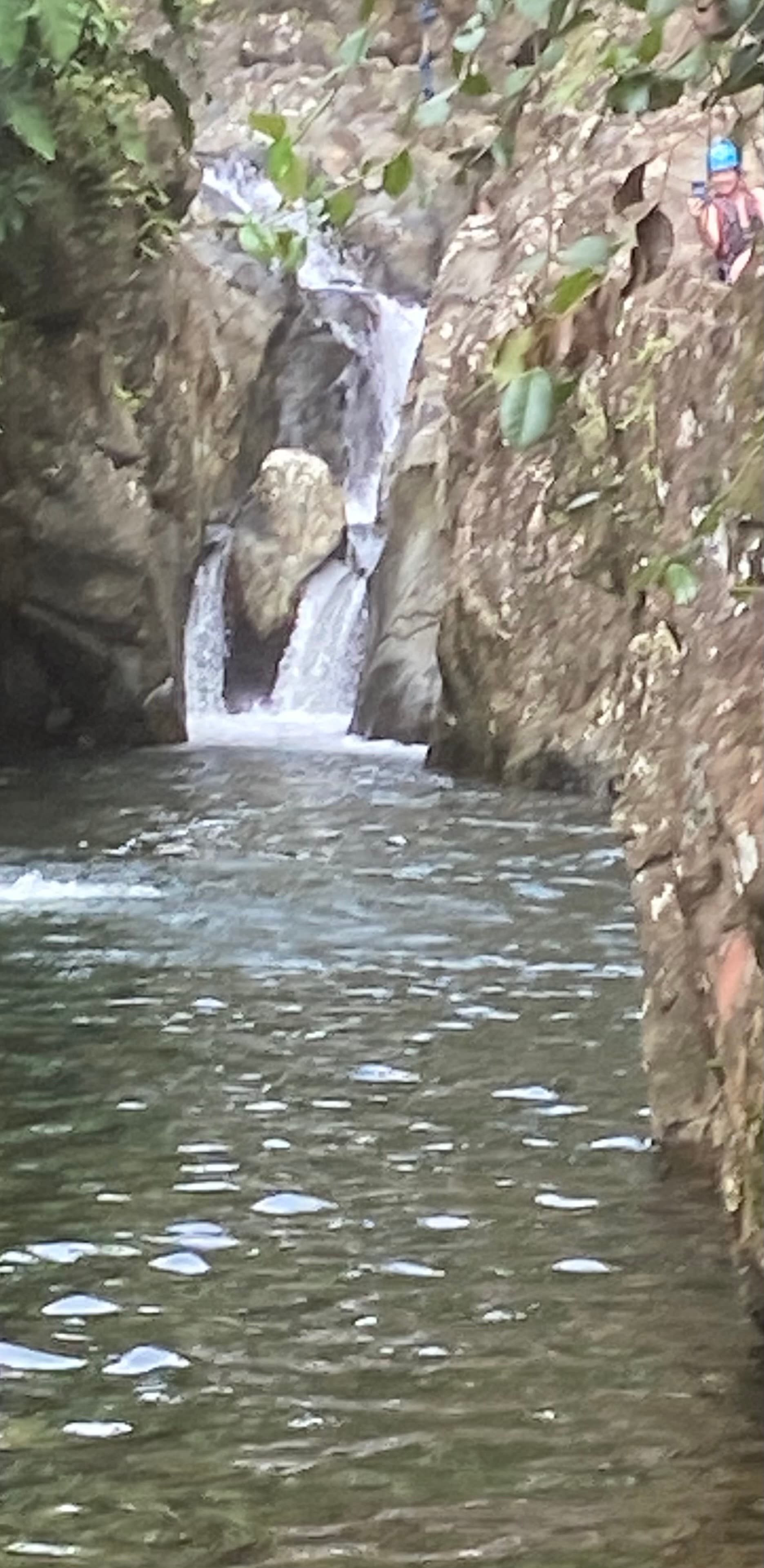
Nestled in the Sierra de Luquillo mountains of northeastern Puerto Rico, El Yunque National Forest occupies a singular place in the United States federal land management system — it is the only tropical rainforest under the jurisdiction of the U.S. Forest Service. Spanning tens of thousands of acres, the forest receives some of the highest annual rainfall measurements recorded on the island, feeding a network of rivers, waterfalls, and streams that flow toward the Atlantic coast.
A Forest of Exceptional Biodiversity
El Yunque is home to a remarkable concentration of plant and animal species, many of which are endemic to Puerto Rico. The forest shelters the Puerto Rican parrot (Amazona vittata), one of the rarest birds in the Western Hemisphere, which has been the subject of long-standing conservation and recovery programs. The canopy layers support hundreds of tree species, ferns, mosses, and bromeliads adapted to the forest's persistent cloud cover and moisture.
Four distinct forest types exist within El Yunque's boundaries, ranging from tabonuco forest at lower elevations to dwarf cloud forest near the peaks. This vertical zonation creates a series of microclimates, each supporting its own ecological community.
Indigenous and Colonial Heritage
The forest carries deep cultural significance. The Taíno people, Puerto Rico's indigenous inhabitants, regarded the mountains as a sacred space, and their legacy is reflected in the name itself — "Yuké," meaning white lands, likely a reference to the clouds that frequently shroud the peaks. Spanish colonial administrators designated the area as a forest reserve in the late 19th century, making it one of the oldest protected forests in the Western Hemisphere.
Vulnerability and Recovery
El Yunque has demonstrated resilience in the face of major natural disturbances. Hurricane María struck Puerto Rico with catastrophic force in 2017, stripping large portions of the forest's canopy and disrupting its ecosystems significantly. Subsequent scientific monitoring has documented a gradual, ongoing recovery of vegetation and wildlife populations, providing researchers with rare data on tropical forest resilience.
Remaining Questions
Long-term studies continue to examine how El Yunque's ecosystems will respond to increasingly frequent and intense Atlantic hurricane seasons linked to broader climate shifts. The future range and population stability of the Puerto Rican parrot also remains an open area of conservation research.
Sources: U.S. Forest Service (fs.usda.gov), U.S. Fish & Wildlife Service, Encyclopedia Britannica, Caribbean National Forest historical records.
This article was prepared using multiple verified sources and editorial research. The content was reviewed, fact-checked and approved by our editorial team prior to publication.