Mexico's contributions to world culture span centuries and cross virtually every artistic discipline, from visual art and architecture to music, cinema, and culinary tradition. These contributions have accumulated into a body of influence that continues to shape creative work on an international scale.
A Tradition of Visual Power
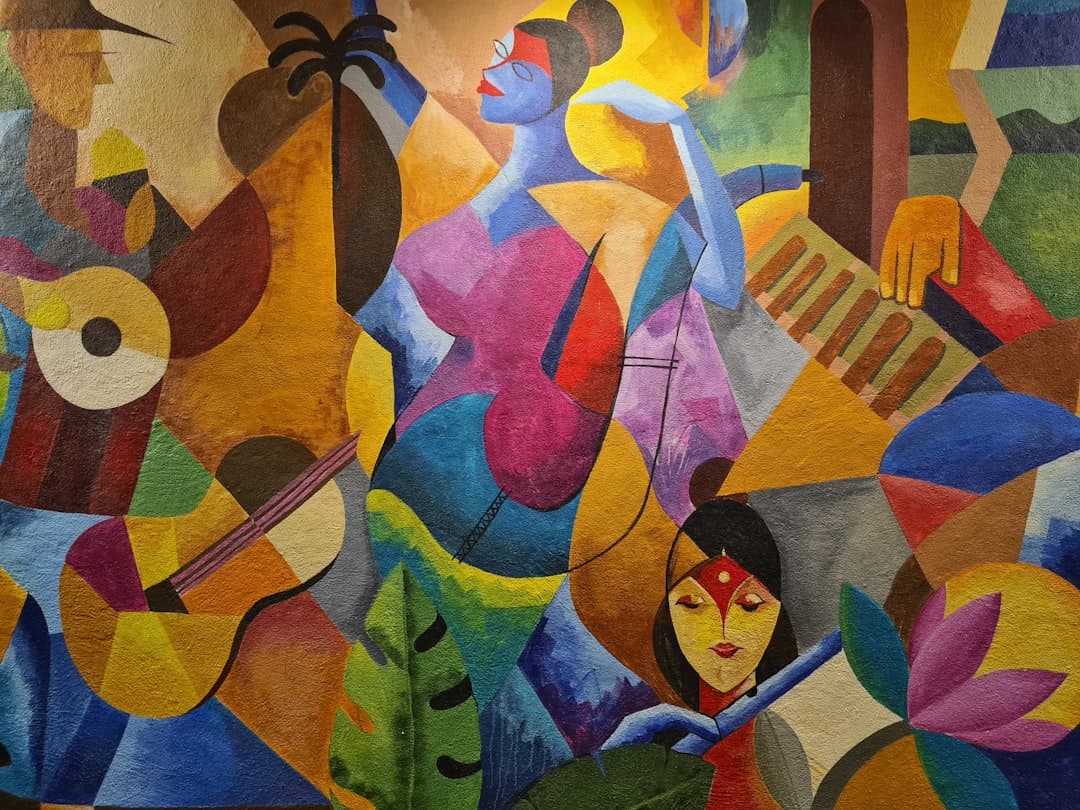
The Mexican muralist movement, led by figures such as Diego Rivera, José Clemente Orozco, and David Alfaro Siqueiros in the early twentieth century, redefined the relationship between public art and political identity. Their large-scale works, commissioned for government buildings and public spaces, depicted indigenous heritage, labor, and social struggle in ways that inspired mural traditions across Latin America and the United States. Frida Kahlo, whose work explored identity, pain, and Mexican symbolism, has since become one of the most recognized painters in the world, with her image and iconography appearing in museums, academic curricula, and popular culture globally.
Music With Deep Roots
Mariachi, originating in the western state of Jalisco, was inscribed on UNESCO's Representative List of the Intangible Cultural Heritage of Humanity. The genre has spread throughout the Americas and is performed at cultural events across Europe, Asia, and the United States. Son jarocho, cumbia, and norteño also carry significant international audiences, particularly within diaspora communities.
Cinema, Literature, and Living Traditions
Mexican cinema experienced a golden age in the mid-twentieth century that produced films distributed widely across Latin America and Europe. More recently, directors with Mexican roots have achieved sustained recognition at major international festivals and award ceremonies. In literature, writers such as Octavio Paz and Juan Rulfo remain part of university syllabi across the world. The Day of the Dead celebration, with its elaborate altars and marigold imagery, has gained recognition far beyond Mexico's borders, influencing festivals, design, and popular media internationally.
Culinary Heritage
Mexican cuisine, anchored in pre-Columbian ingredients such as corn, chili, and cacao, received UNESCO recognition as an Intangible Cultural Heritage. Its techniques and ingredients have shaped food cultures across North America and increasingly in Europe and Asia.
Open Questions
How do Mexican communities abroad balance preserving traditional cultural forms with adaptation to new environments? What mechanisms exist to ensure that commercial global adoption of Mexican cultural symbols benefits the communities of origin?
Sources: UNESCO Intangible Cultural Heritage Lists; Encyclopædia Britannica entries on Mexican muralism and mariachi; Library of Congress cultural records; Museo Frida Kahlo institutional documentation.
This article was compiled with the support of advanced research technology, based on multiple verified sources, and reviewed by our editorial team.