Panama occupies a narrow land bridge between two continents, and that geographic reality has long defined its cultural character. The country's festivals reflect centuries of demographic layering — Indigenous traditions, West African heritage carried through the era of enslaved peoples, and Spanish Catholic customs introduced during colonization — all of which have merged into a distinct national fabric.
Carnival: The Nation's Most Widely Observed Celebration
Panama's Carnival, held in the days preceding Ash Wednesday, draws participants from across the country and abroad. The city of Las Tablas, in the Azuero Peninsula, is widely regarded as hosting the most elaborate Carnival events in the country. The celebration is structured around a rivalry between two neighborhoods — Calle Arriba and Calle Abajo — each fielding competing queens, floats, and musical performances. Water trucks, known locally as culecos, are a distinctive feature of Azuero's festivities, dousing crowds in street celebrations that continue through multiple days.
The Pollera and the Corpus Christi Festivals
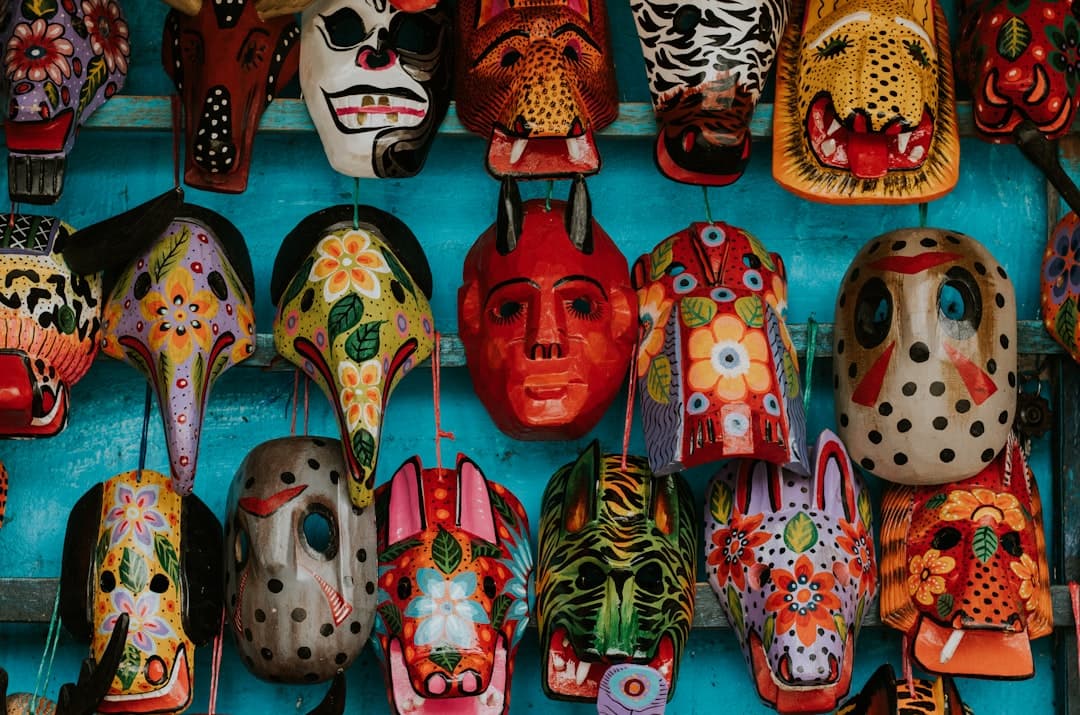
The Azuero Peninsula also produces Panama's most recognized cultural symbol: the pollera, a handcrafted dress of Spanish origin that requires skilled artisans working for months to complete a single garment. The pollera is worn formally during regional festivals, including those tied to Corpus Christi celebrations in Villa de Los Santos, where dancers in devil masks — diablos sucios — perform choreographed sequences of religious and folkloric significance. The tradition has roots traceable to medieval Spanish religious theater.
Indigenous Ceremonies and the Guna Nation
Panama is home to several recognized Indigenous nations, among them the Guna, who inhabit the San Blas archipelago and maintain ceremonial traditions largely distinct from the Hispanic-influenced interior. Guna coming-of-age ceremonies, including the inna celebrations for young women, are community-governed events involving chicha (a fermented corn drink), music, and multi-day gatherings. These ceremonies remain active and are integral to Guna social structure.
Mejorana Festival: A Celebration of Folkloric Arts
Held annually in Guararé, Azuero, the National Mejorana Festival brings together folklore groups from across Panama to compete in dance, traditional costume, and performance of the mejorana — a small five-string guitar central to the region's musical heritage. The festival serves as one of the country's principal mechanisms for transmitting folkloric knowledge across generations.
Open Questions
How are urban migration patterns affecting participation in regionally specific traditions such as the Mejorana Festival? To what extent are Indigenous ceremonial practices being documented or protected under Panama's current cultural heritage frameworks?
Sources: Smithsonian Tropical Research Institute cultural archives; UNESCO Intangible Cultural Heritage documentation; Panama's National Institute of Culture (INAC) public records; Library of Congress country studies — Panama.
This article was compiled with the support of advanced research technology, based on multiple verified sources, and reviewed by our editorial team.