Long before European contact, the territory now known as Mexico served as the cradle of several of the Western Hemisphere's most sophisticated civilizations. The Olmec, widely regarded as Mesoamerica's earliest major culture, established settlements along the Gulf Coast as far back as 1500 BCE, developing early forms of writing, monumental sculpture, and religious iconography that influenced cultures across the region for centuries.
Architectural Achievements
The city of Teotihuacan, located northeast of present-day Mexico City, stands among the most significant urban centers of the ancient world. At its peak, it housed a substantial population and featured monumental structures including the Pyramid of the Sun and the Pyramid of the Moon, both aligned with astronomical precision. The Maya civilization, which flourished across southeastern Mexico and Central America, similarly constructed elaborate ceremonial centers such as Palenque and Chichén Itzá, the latter now recognized as one of the New Seven Wonders of the World.
Scientific and Intellectual Contributions
Mesoamerican civilizations developed advanced calendar systems, mathematical concepts including the use of zero, and agricultural techniques adapted to diverse ecological zones. The Aztec Empire, known formally as the Triple Alliance, built Tenochtitlan on a lake island — a feat of urban engineering that later became the foundation for Mexico City.
Enduring Cultural Presence
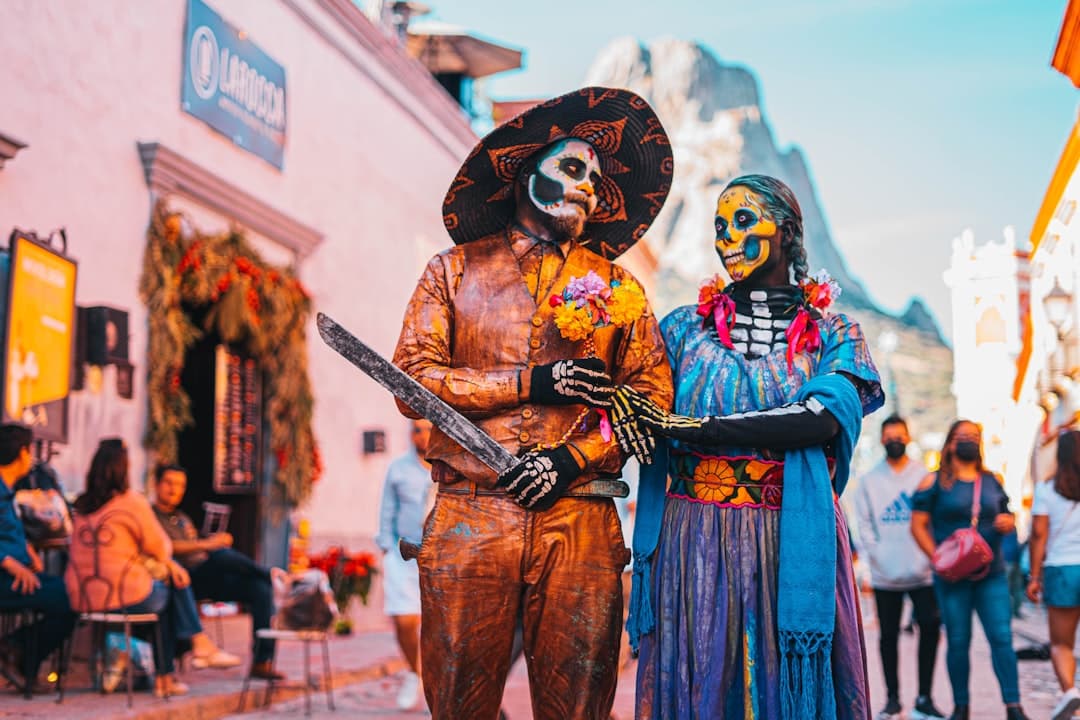
The influence of these civilizations extends beyond archaeology. Mexico is home to a large Indigenous population maintaining languages, ceremonial practices, and craft traditions directly descended from pre-Columbian cultures. The National Institute of Anthropology and History (INAH) oversees the preservation of thousands of registered archaeological zones across the country, reflecting the scale and diversity of the ancient heritage.
International academic institutions collaborate with Mexican researchers to study and document sites, many of which remain only partially excavated. Ongoing fieldwork continues to yield discoveries that refine the understanding of social organization, trade networks, and intercultural exchange in ancient Mesoamerica.
Open Questions
Researchers continue to investigate the causes behind the decline of major urban centers such as Teotihuacan, the full extent of Maya writing systems, and the precise nature of trade relationships between distant civilizations.
Sources: UNESCO World Heritage List; National Institute of Anthropology and History (INAH), Mexico; Smithsonian National Museum of Natural History; Encyclopedia Britannica — Mesoamerican Civilizations.
This article was compiled with the support of advanced research technology, based on multiple verified sources, and reviewed by our editorial team.