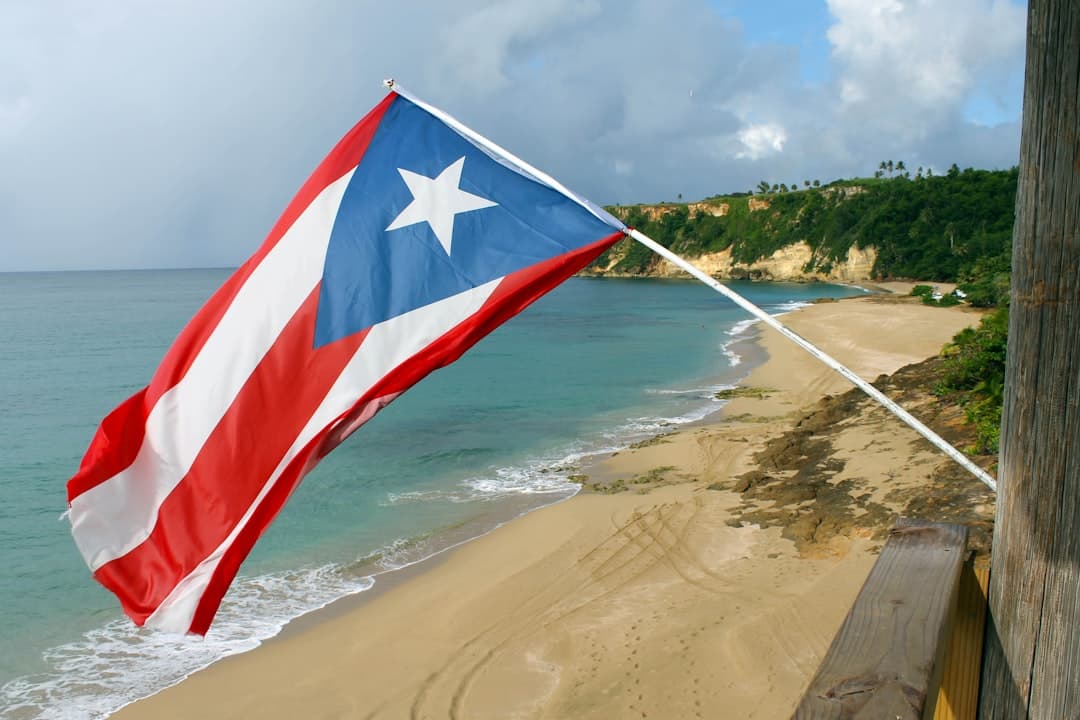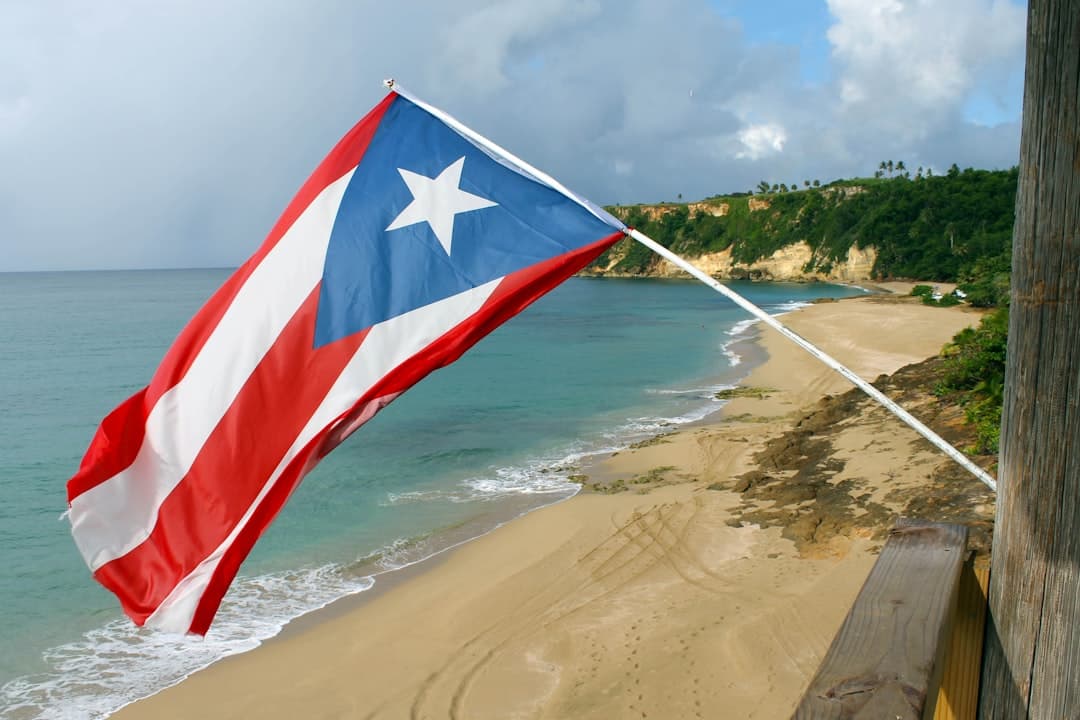
Perched on a small islet off the northwestern coast of Puerto Rico, Old San Juan — known in Spanish as Viejo San Juan — represents one of the most intact examples of Spanish colonial urban planning in the Western Hemisphere. The settlement was established in 1521, making it among the earliest permanent European towns founded in the Americas.
Spanish Colonial Foundations
The city was originally conceived as a strategic administrative and military hub for the Spanish Crown. Its position at the entrance to the Caribbean Sea made it a critical waypoint for transatlantic trade routes and a defensive anchor for Spain's broader colonial holdings. The Spanish constructed an elaborate system of fortifications, including the massive Castillo San Felipe del Morro — commonly called El Morro — and Castillo San Cristóbal, both of which remain standing and are administered as part of the San Juan National Historic Site under the United States National Park Service.
Military Sieges and Colonial Contests
Old San Juan endured repeated military challenges over the centuries. British forces under Sir Francis Drake attempted an assault in 1595, and a separate British expedition under the Earl of Cumberland briefly occupied the city in 1598. Dutch forces also attacked in 1625, burning portions of the settlement before being repelled. These repeated incursions drove continued expansion and reinforcement of the city's defensive walls, known as La Muralla, sections of which still encircle the historic district.
Transition to American Administration
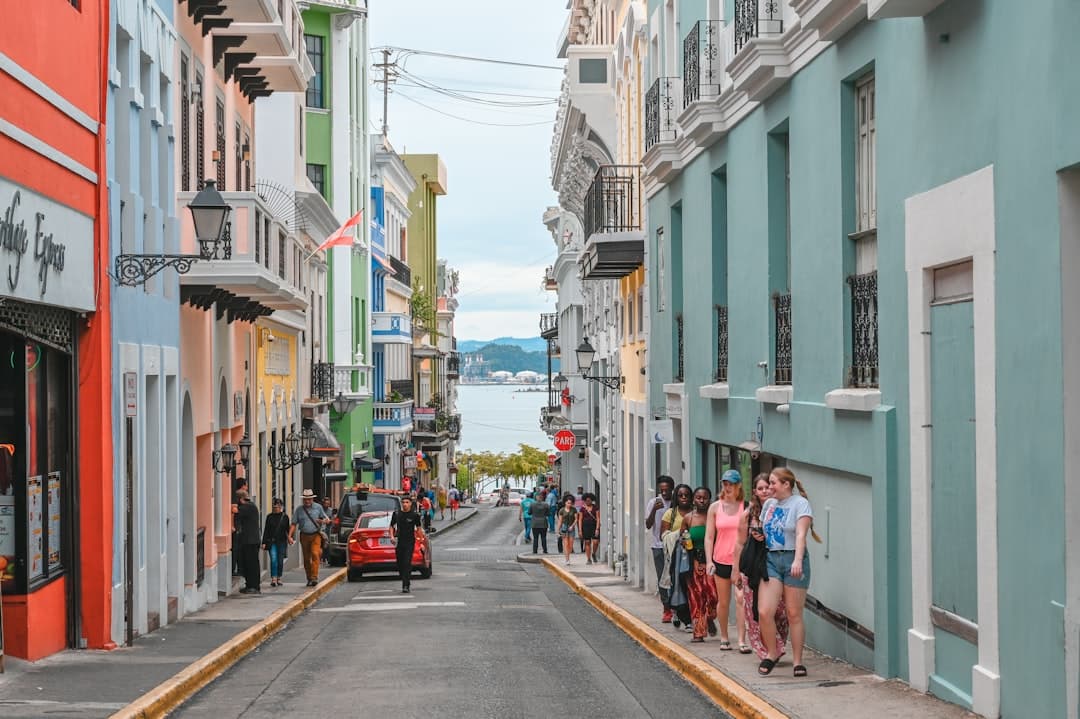
Following the Spanish-American War of 1898, Puerto Rico was ceded to the United States under the Treaty of Paris, bringing Old San Juan under a new administrative framework. The city's colonial-era architecture, cobblestone streets — paved with blue adoquines, a type of slag brick originally used as ship ballast — and ecclesiastical buildings such as the Cathedral of San Juan Bautista were preserved through subsequent decades, contributing to the district's designation as a UNESCO World Heritage candidate site.
Cultural and Architectural Legacy
The historic district covers roughly seven blocks along the island's western tip and contains hundreds of restored structures dating from the sixteenth through nineteenth centuries. The area functions simultaneously as a living neighborhood, a commercial zone, and a major heritage tourism destination, drawing visitors from across Latin America, the Caribbean, and beyond.
Remaining Questions
Ongoing debates concern the balance between heritage preservation and the pressures of tourism development, as well as the long-term impact of natural disasters — particularly Hurricane Maria in 2017 — on the structural integrity of the historic district's oldest buildings.
Sources: National Park Service (nps.gov); UNESCO World Heritage Tentative List; Library of Congress — Hispanic Division; Smithsonian Institution; Encyclopaedia Britannica
This article was prepared using multiple verified sources and editorial research. The content was reviewed, fact-checked and approved by our editorial team prior to publication.