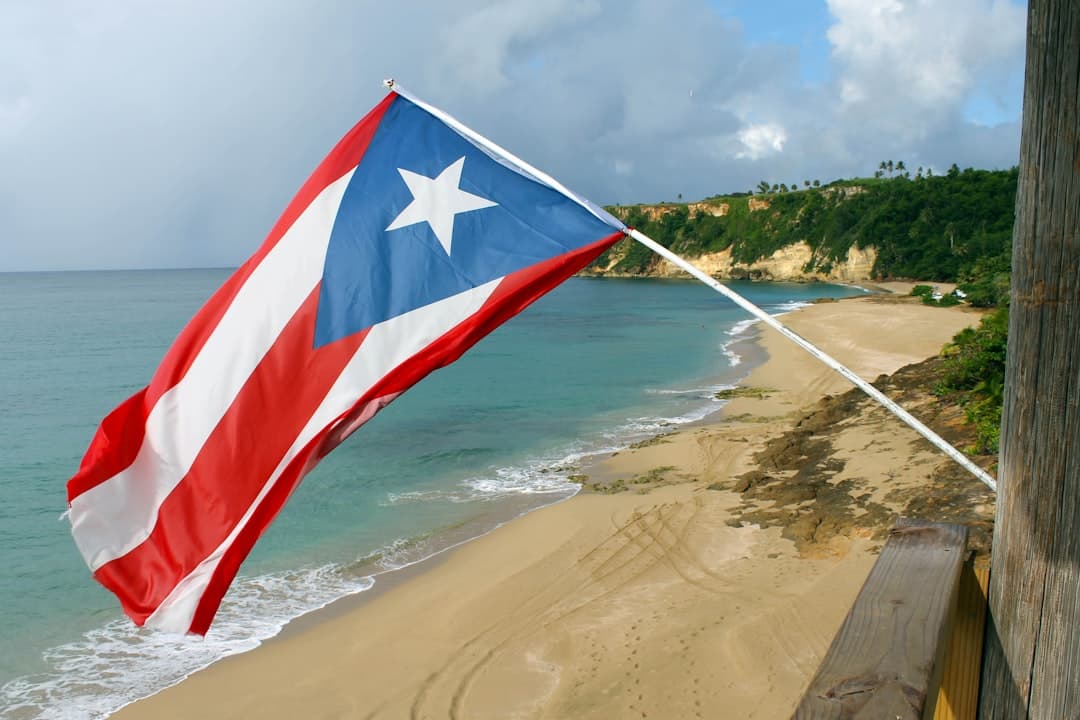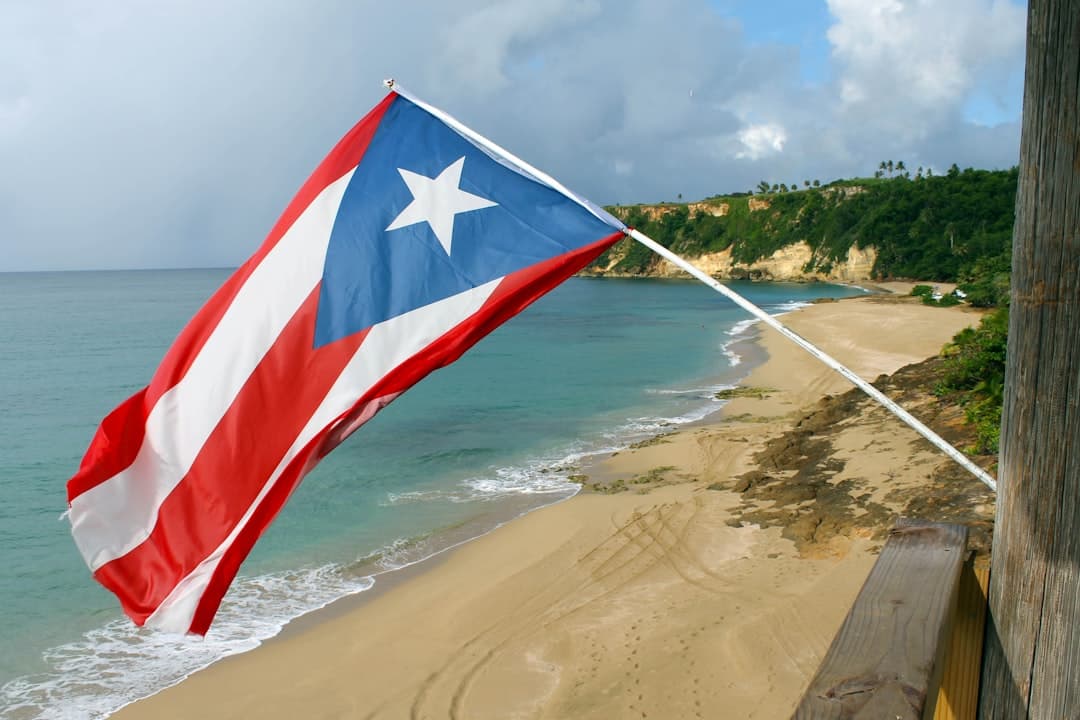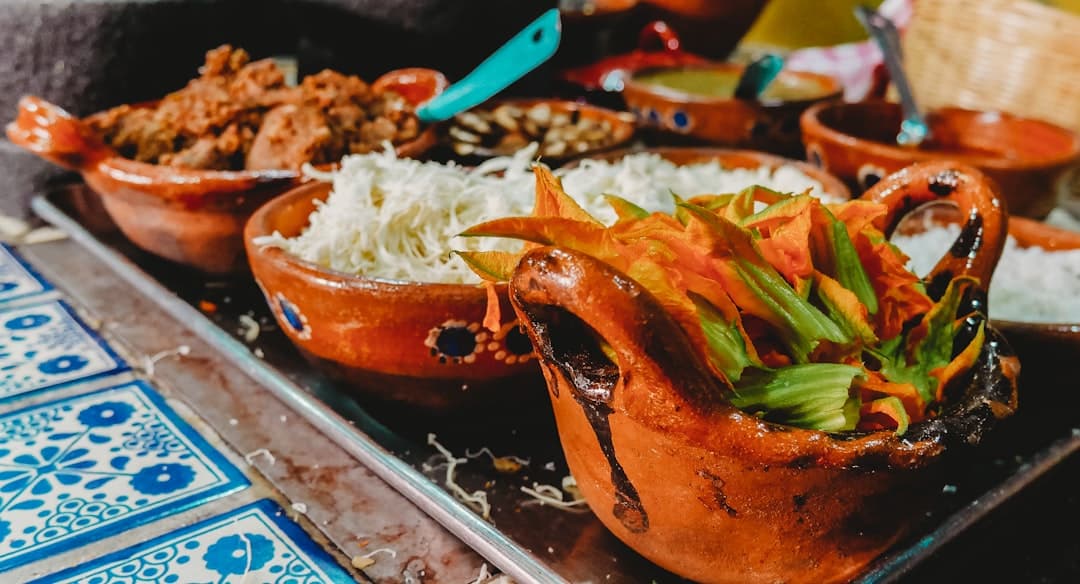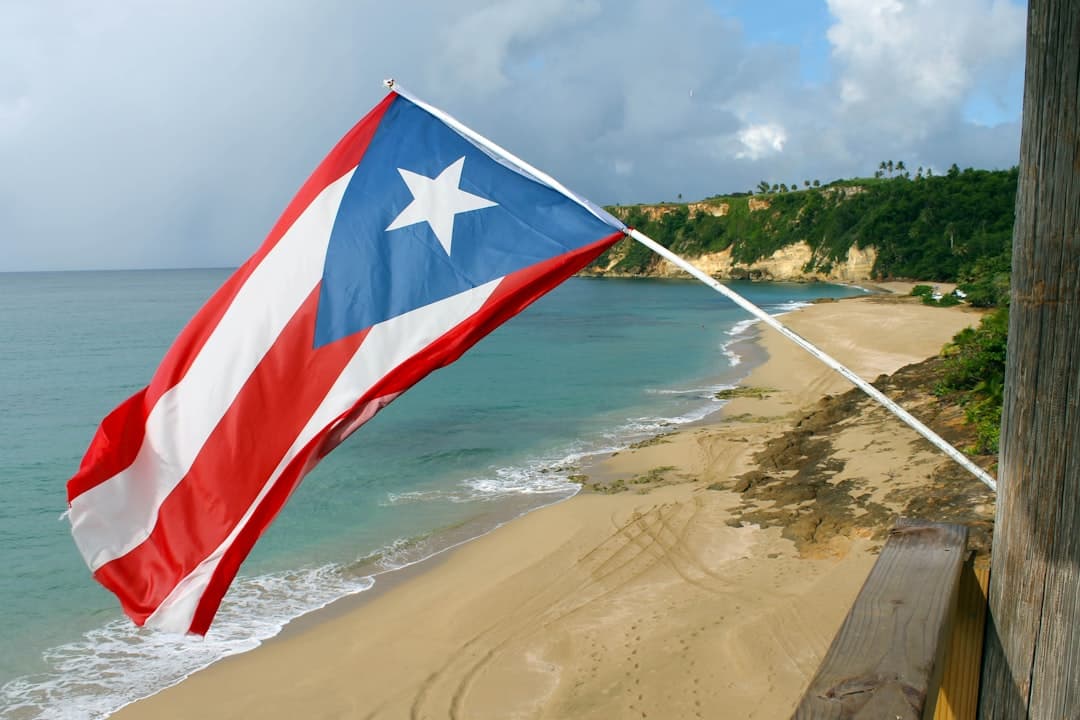
Along the coastlines and plazas of Puerto Rico, food vendors have long served as custodians of a culinary tradition that draws from the island's layered colonial and indigenous history. Street food on the island is not a trend but a deeply embedded social practice, connecting communities through shared flavors that have evolved over centuries.
Staples of the Puerto Rican Street Food Tradition
Among the most recognized offerings is the alcapurria, a fritter made from a dough of green banana and yautía — a starchy root vegetable — typically filled with seasoned ground beef or crab. Equally ubiquitous is the bacalaíto, a thin, crispy codfish fritter fried to order, reflecting the island's historical ties to Atlantic trade routes that brought salted cod to the Caribbean.
The piragua, a shaved ice cone drenched in fruit syrups such as tamarind, passion fruit, or coconut, remains a staple in the summer heat. Vendors known as piragueros push their distinctive carts through neighborhoods across the island, from San Juan's historic Old City to smaller municipalities in the interior.
The Luquillo Kiosks: A Landmark of Open-Air Dining
The stretch of roadside kiosks near Luquillo Beach on the northeastern coast of the island is widely regarded as one of Puerto Rico's most concentrated expressions of street food culture. The kiosks offer a broad range of dishes, from skewered meats and mofongo — a mashed plantain dish of West African culinary origin — to fresh seafood prepared in traditional Creole styles.
African and Indigenous Foundations
The Taíno peoples, the island's original inhabitants, contributed foundational ingredients including cassava, corn, and tropical fruits that remain present in modern recipes. The transatlantic slave trade brought West African cooking techniques and ingredients that significantly shaped the flavor profiles found across Puerto Rican street food to this day.
Spanish colonization introduced olive oil, pork, and a range of spices that fused with existing culinary practices, producing the hybrid cuisine recognized across the Caribbean basin and among Puerto Rican diaspora communities throughout the Americas.
Remaining Questions
How are younger generations of vendors adapting traditional street food recipes in response to changing dietary habits? What role do municipal regulations play in preserving or restricting informal food vending across the island's urban centers?
Sources: Smithsonian Center for Folklife and Cultural Heritage; Library of Congress — Hispanic Reading Room; National Park Service — San Juan National Historic Site; Universidad de Puerto Rico institutional publications.
This article was prepared using multiple verified sources and editorial research. The content was reviewed, fact-checked and approved by our editorial team prior to publication.