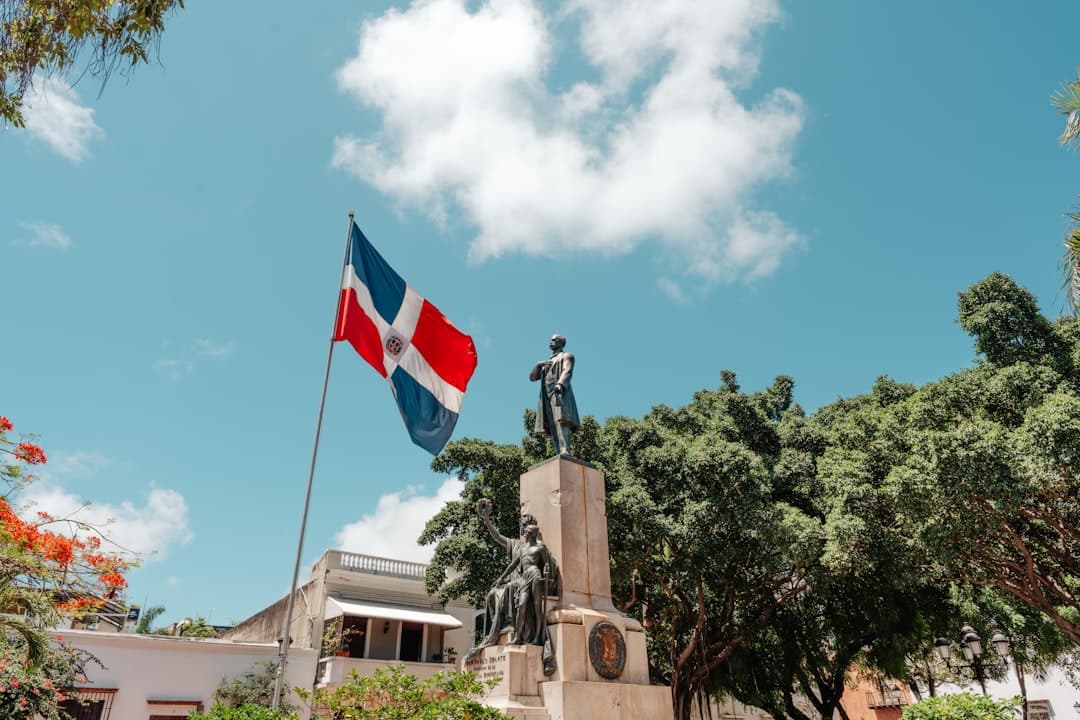
Nestled in the heart of the Caribbean, the Dominican Republic occupies the eastern two-thirds of the island of Hispaniola, sharing it with Haiti. Its lifestyle reflects a layered history — Taíno indigenous roots, Spanish colonial influence, and African heritage brought through the transatlantic slave trade — woven together into a culture that is distinct, resilient, and deeply expressive.
Family and Community at the Center
Dominican social life revolves around the extended family unit. Multiple generations frequently share households or live in close proximity, with family gatherings forming a cornerstone of weekly routines. Sundays are traditionally reserved for large family meals, often featuring staple dishes such as sancocho — a hearty stew of meats and root vegetables — alongside rice, beans, and mangú, a mashed plantain dish considered a national staple.
Music, Dance, and Public Life
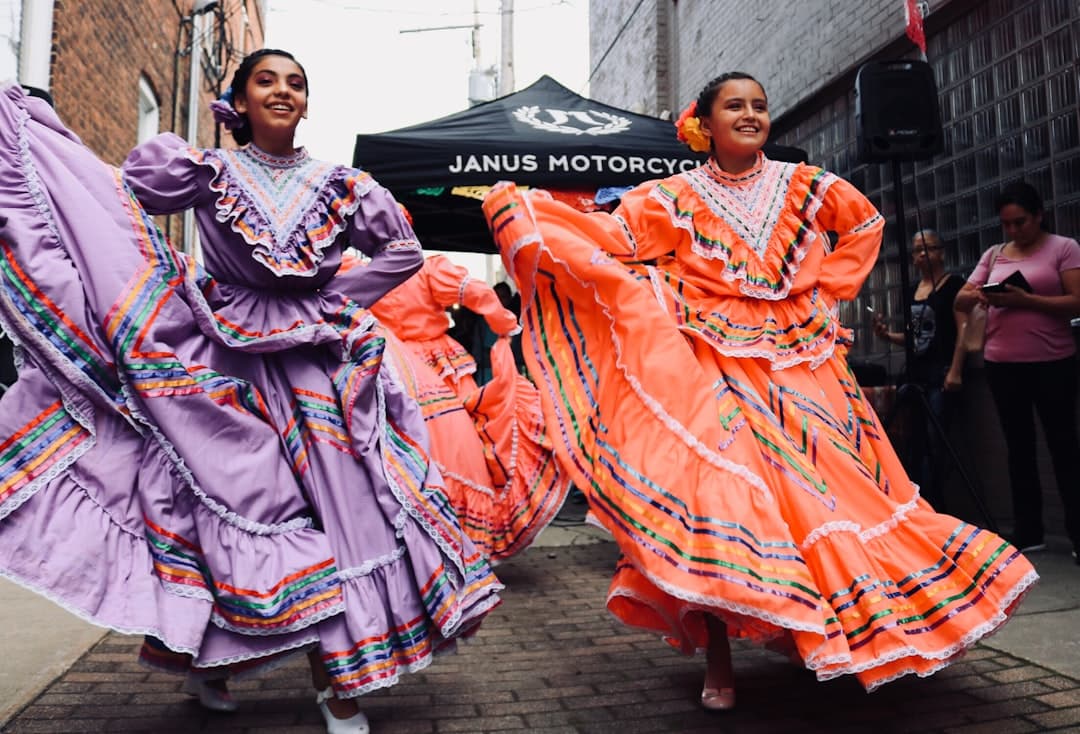
Merengue, recognized by UNESCO as an Intangible Cultural Heritage of Humanity, and bachata — another genre born on Dominican soil — permeate public spaces, celebrations, and everyday radio broadcasts. Music is not confined to formal venues; it flows freely from colmados, the neighborhood corner stores that serve as informal social hubs throughout the country.
Religion and Festivity
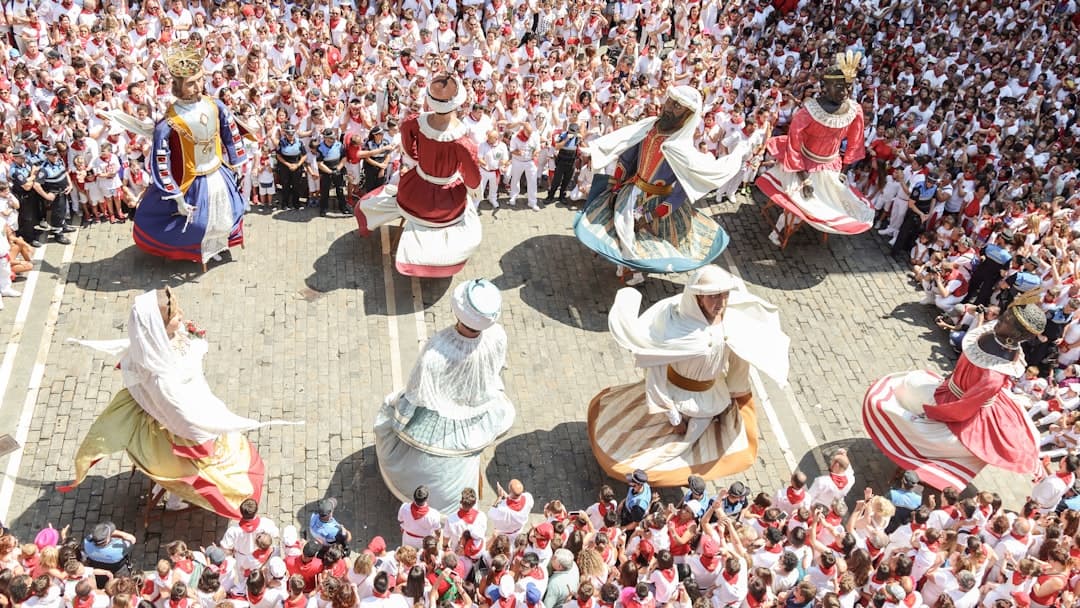
Roman Catholicism holds a dominant presence in Dominican religious life, though Evangelical Protestantism has grown significantly in recent decades. Religious festivals, patron saint celebrations, and Carnival — held annually in February — draw widespread public participation and reflect a culture that treats communal celebration as a civic duty.
Urban and Rural Contrasts
Santo Domingo, the capital and oldest permanently inhabited European city in the Americas, offers a fast-paced urban lifestyle with modern commerce and infrastructure. Rural areas, particularly in the Cibao Valley and the southwestern regions, maintain a slower pace centered on agriculture, small-scale trade, and tightly knit local communities. Internal migration toward urban centers has accelerated in recent generations, reshaping demographic patterns across the island.
Climate and Outdoor Living
A tropical climate with warm temperatures throughout the year encourages an outdoor-oriented lifestyle. Beaches, parks, and open-air markets remain central to leisure and commerce alike, contributing to a social culture where much of daily life unfolds in shared public spaces.
Remaining Questions
How are rapid urbanization and tourism development reshaping traditional community structures in coastal and rural areas? What role do Dominican diaspora communities — particularly in the United States — play in influencing cultural practices back on the island?
Sources: UNESCO Intangible Cultural Heritage Lists; Encyclopædia Britannica — Dominican Republic; Library of Congress Country Studies; Caribbean Tourism Organization.
This article is based on a verified primary source. The text was editorially reviewed and fact-checked prior to publication.