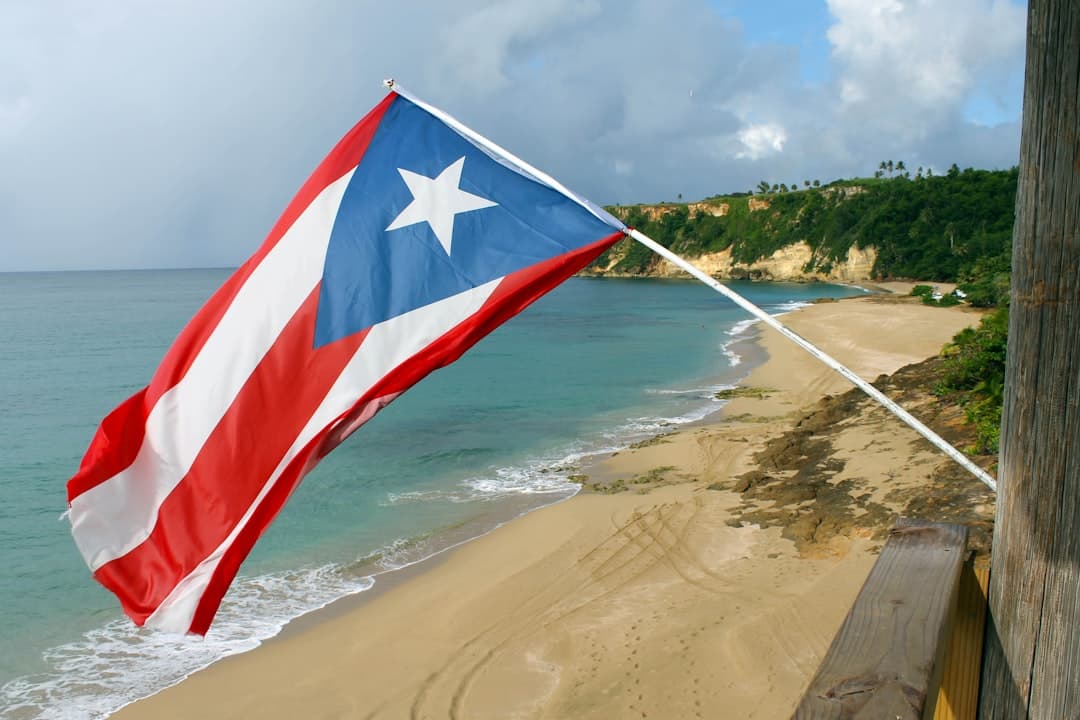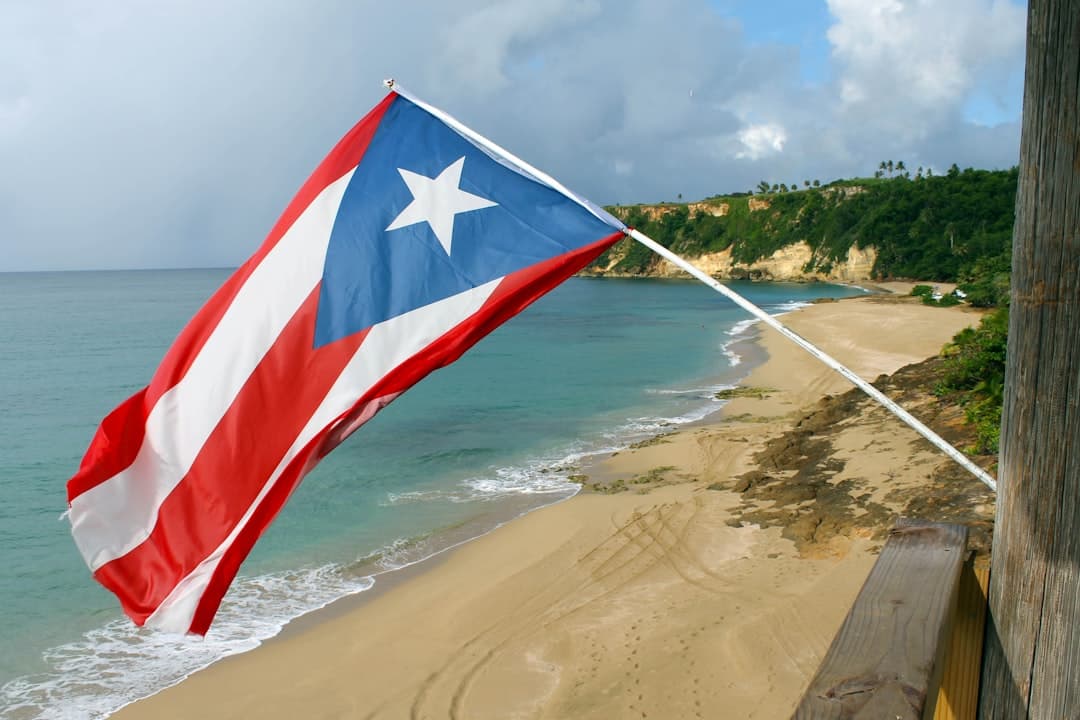
Vieques, a small island municipality located roughly eight miles off the southeastern coast of Puerto Rico, has established itself as one of the Caribbean's more distinctive travel destinations. Administered as part of the Commonwealth of Puerto Rico — and therefore under U.S. jurisdiction — the island combines remote natural landscapes with a complex colonial and military past.
Getting There
Travelers reach Vieques primarily via passenger and cargo ferry services departing from the port of Ceiba on Puerto Rico's eastern coast. Small regional aircraft also connect the island to Luis Muñoz Marín International Airport in San Juan and to Isla Grande Airport. The ferry crossing takes approximately one hour, while flights last under thirty minutes.
Natural Attractions
The island is widely recognized for Mosquito Bay, classified among the world's most luminous bioluminescent bays. The phenomenon is produced by microscopic dinoflagellate organisms that emit light when the water is disturbed, creating a glowing effect visible on dark, moonless nights. Kayak tours operate on the bay under strict environmental regulations designed to protect the fragile ecosystem.
Vieques also holds a substantial portion of land managed by the U.S. Fish and Wildlife Service as the Vieques National Wildlife Refuge. This protected area encompasses former military training grounds and provides habitat for endangered sea turtles, migratory birds, and wild horses — a feral population that has roamed the island for centuries.
Historical Context
The U.S. Navy maintained a significant military presence on Vieques for much of the twentieth century, controlling large sections of the island for training exercises. Following sustained protests by residents and activists, naval operations ceased in 2003. Much of the formerly restricted land was subsequently transferred to federal wildlife management, though environmental remediation efforts have continued across affected zones.
Visitor Infrastructure
The island's main settlement, Isabel Segunda, serves as the administrative and commercial center, while the smaller community of Esperanza functions as a hub for guesthouses, restaurants, and waterfront activity. Accommodations range from locally operated guesthouses to boutique hotels, reflecting the island's relatively low-density tourism model.
Remaining Questions
The long-term environmental impact of former military activity on the island's ecosystems and public health outcomes for residents remains an area of ongoing study and public concern. The timeline and scope of full land remediation have yet to be definitively established.
Sources: U.S. Fish and Wildlife Service (fws.gov), Puerto Rico Tourism Company, U.S. Navy historical records, NOAA Bioluminescence Resources
This article was prepared using multiple verified sources and editorial research. The content was reviewed, fact-checked and approved by our editorial team prior to publication.